
The standard fence height for most homes is 6 feet for backyard privacy fences and 3 to 4 feet for front yard fences. The average residential fence height ranges from 4 feet to 6 feet, depending on the fence material and placement. With that in mind, fences can be anywhere from 3 feet to 12+ feet in height. The key is to find the right fence height for your specific needs. Today we’ll look at average fence heights for different materials, along with tips for choosing the right fence height.
Below, we break down average heights by material and use case, plus what homeowners and business owners across our Anne Arundel County service area should know about HOA rules, pool fence codes, and permit requirements before choosing a height.
Chain Link Fence Height Average – 4 Feet
Chain link fences are usually 4′ tall, but they come in many different sizes. Common heights for chain link fences include: 3′, 3’6″, 4′, 5′, 6′, 7′, 8′, 10′, and 12′. As with any fence material, chain link fences can be customized to almost any height.
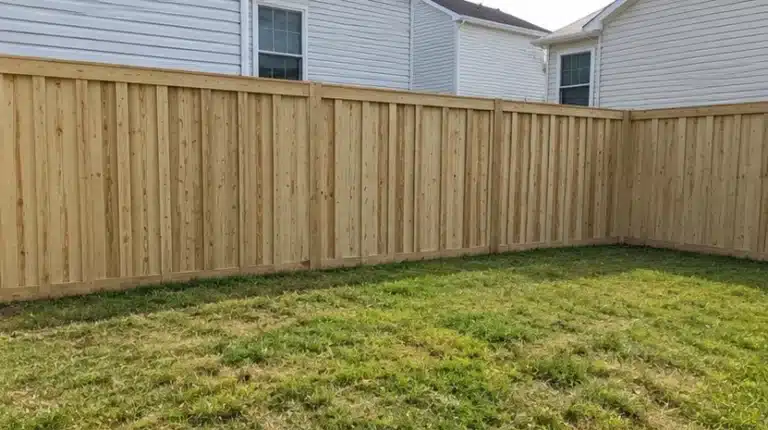
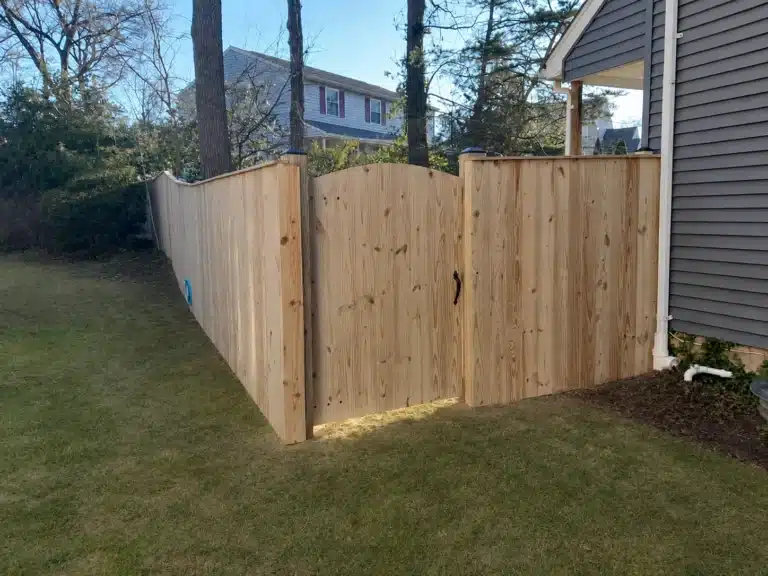
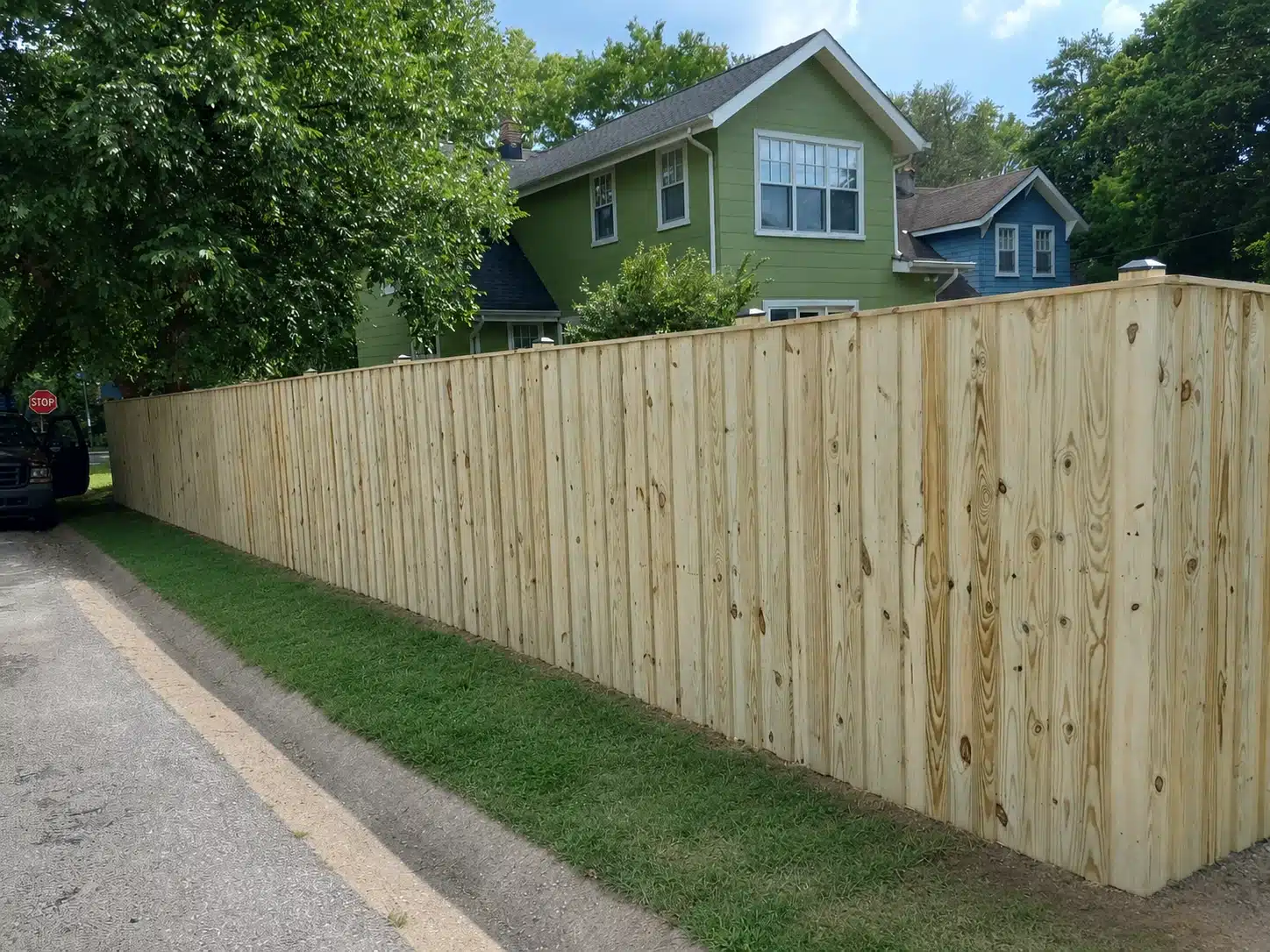
Wood Fence Height Average – 6 Feet
A standard wood privacy fence is 6′ tall. There are many ways to personalize wood fences. Those special touches may change the height of the wood fence. For instance, if you add a 12 inch decorative border to the top of a 6′ fence, the total fence height would be 7′. We can adjust your fence design to suit your height needs.
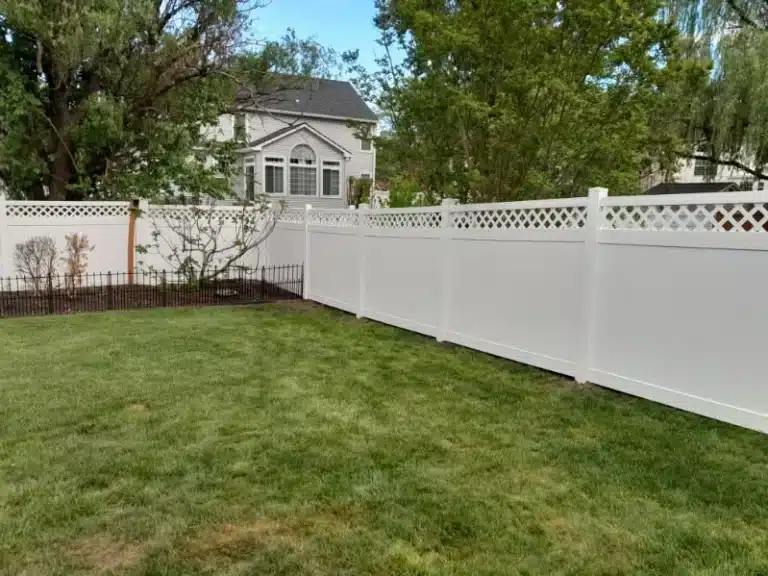
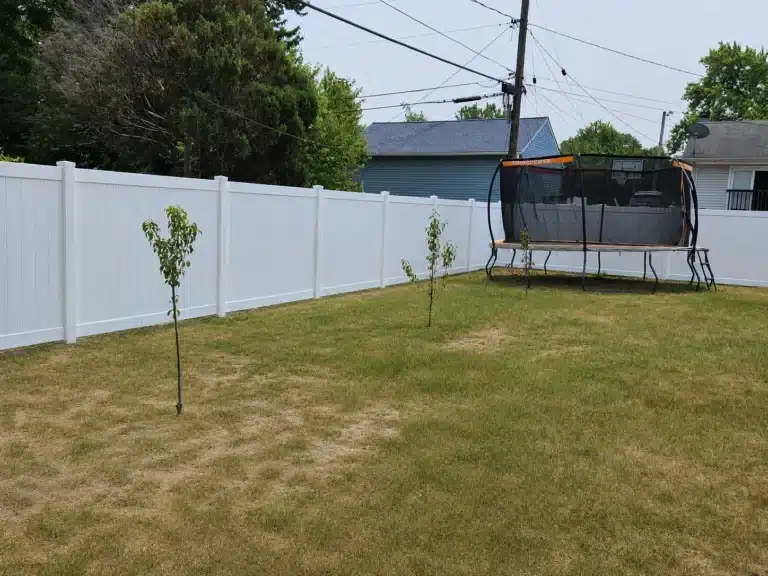
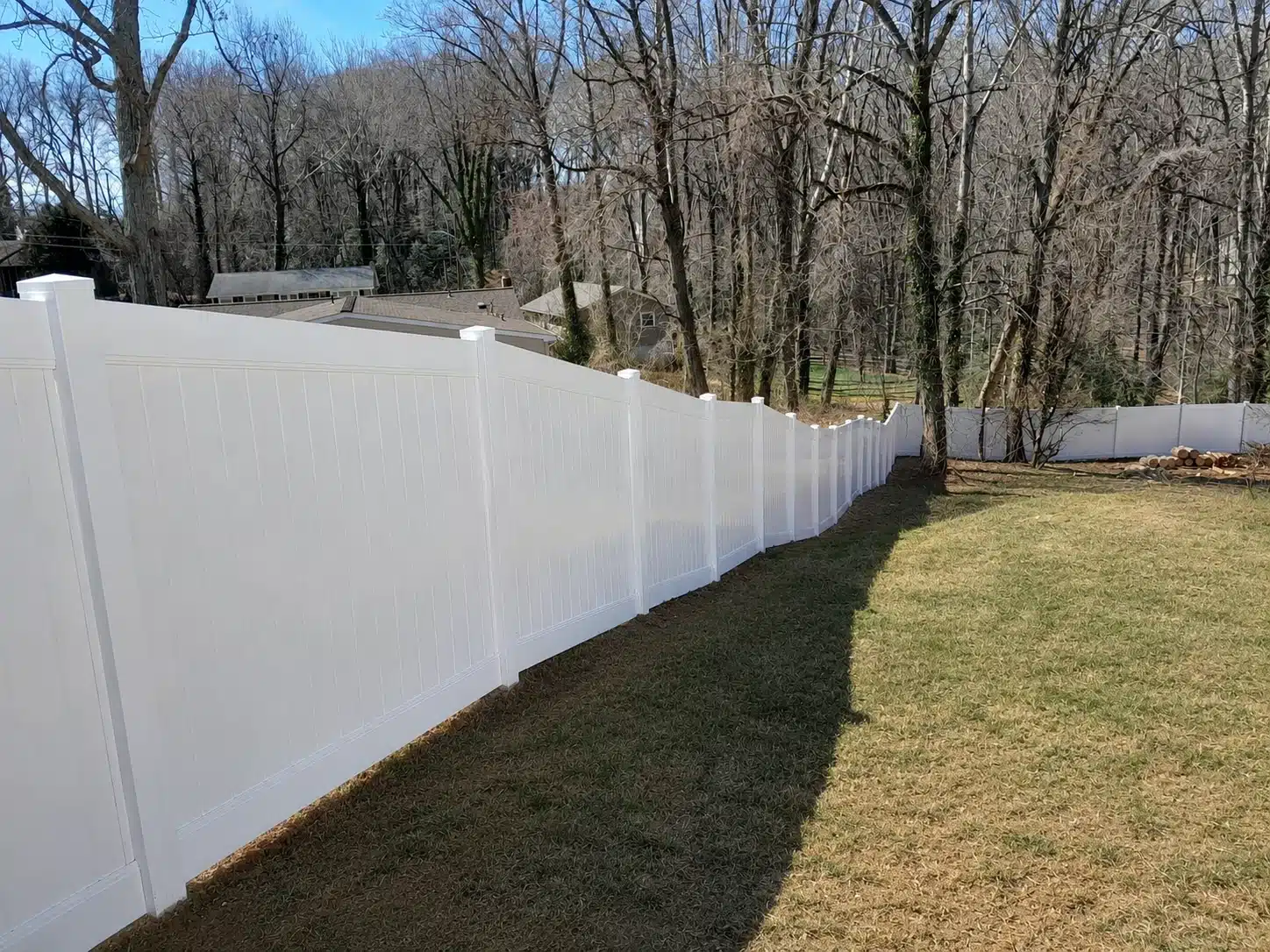
Vinyl Fence Height Average – 6 Feet
Most vinyl fences are between 4′ and 6′ tall, but there are 7′ and 8′ vinyl fences available. The average height for a vinyl privacy fence is 6 feet, just like wood privacy fences. As with wood, decorative features may add to the height of the vinyl fencing.
Front Yard Fence Height Average – 3 to 4 Feet
Front yard fences are shorter than backyard fences to preserve curb appeal and sightlines. These fences may be made from wood, iron, vinyl, chain link, or any number of materials. Most front yard fences fall between 3′ and 4′ tall. In Anne Arundel County, a residential front yard fence doesn’t need a permit unless it is over 6 feet tall, on a corner lot, or on a waterfront property, but HOA covenants often set a lower height limit than the county does.
Corner lots work differently. Anne Arundel County requires a permit for any fence on a corner lot, regardless of height, so the county can review your plans before you build. Check out our Front Yard Fencing Guide to learn more.
Privacy Fence Height: How Tall Should It Be?
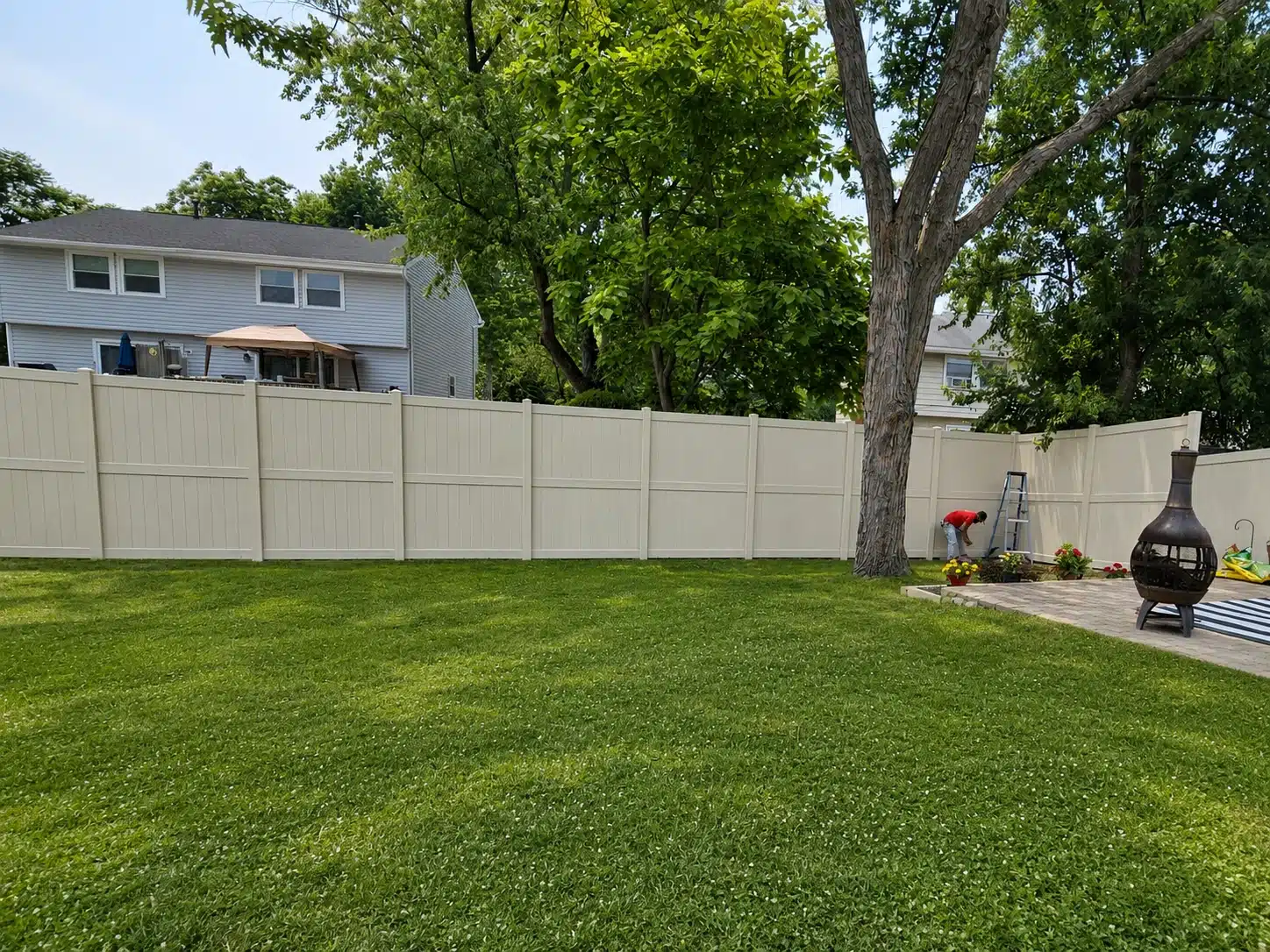
Most privacy fences are 6 feet tall, which is the standard fence height for backyard privacy. Six feet is tall enough to block most sightlines from neighbors and the street, and in Anne Arundel County it is also the tallest a residential fence can be before its height alone requires a permit. If you back up to a busy road, a commercial property, or a neighbor’s second-story windows, a taller fence may be worth considering, but you’ll need a county permit for it.
Fences taller than that (8′+) are possible but are less common for residential privacy, and they are more likely to run into HOA limits.
Residential vs. Commercial Fence Heights
Residential Fence Heights
Residential fences generally range from 3 to 7 feet, driven by privacy, curb appeal, and local height caps.
Commercial & Industrial Fence Heights
Commercial and industrial fencing serves a different purpose (security and access control) and is typically taller: most business perimeter fencing runs 6 to 8 feet, while higher-security sites, such as industrial yards, utility infrastructure, or storage facilities, often use 8 to 12+ foot fencing, sometimes with anti-climb features.
If you’re fencing a commercial property in Anne Arundel County, plan for a building permit. The county requires one for every commercial fence, regardless of height.
HOA Fence Height Considerations
If your property is part of a homeowners association, your HOA’s covenants (CC&Rs) can set fence height limits that are stricter than Anne Arundel County’s code, even if the county would allow a taller fence. Common HOA rules include capping front yard fences at 3-4 feet, rear/side yard fences at 6 feet, restricting materials (chain link and wire mesh are frequently prohibited in visible areas), and requiring architectural review board (ARB) approval before you install anything.
Always check your HOA’s rules in addition to county code, since the stricter of the two will apply.
Pool Fence Height & Safety Regulations
If your fence encloses a pool, height rules are driven by safety code, not just preference. Anne Arundel County’s residential pool barrier requirements call for a barrier at least 48 inches (4 feet) tall, measured from the ground on the outside of the barrier, with no more than a 2-inch gap at the bottom. Pedestrian gates must open away from the pool, be self-closing and self-latching, and be able to take a locking device. The barrier also can’t have openings or footholds a child could use to climb over.
The county requires a permit for all in-ground pools and for above-ground pools over 36 inches tall. Confirm the barrier details with the county before your final inspection, since items like the gate’s release-mechanism height and spacing between pickets have their own measurements.
Maryland Fence Height & Permit Rules for Anne Arundel County Homeowners
Anne Arundel County’s permit rules are built around the standard fence height of 6 feet. According to the county’s Department of Inspections and Permits, a residential fence needs a permit if any of the following apply:
- Height: The fence is over 6 feet tall.
- Corner lot: The fence is on a corner lot, at any height.
- Waterfront: The fence is on a waterfront property, at any height.
All commercial fences need a building permit. Residential fence permits are filed as a Residential Accessory Structure permit through the county’s Land Use Navigator, and the Permit Center can be reached at (410) 222-7730. Depending on the project, you may also need approval from the Office of Planning and Zoning or the Department of Public Works Rights of Way Division. Setback requirements (how far a fence must sit from property lines, easements, or the street) vary by lot and zoning district, so they’re worth confirming before you plan a taller fence or one near a lot line.
For a detailed example of how these setback and zoning rules apply within our service area, see our Fence Zoning Rules in Pasadena, MD guide (the same county-wide rules apply across our service area).
Quick-Reference Fence Height Chart
| Fence Type / Use Case | Typical Height |
| Front yard fence | 3′-4′ typical (HOAs often set a lower limit) |
| Corner lot fence | Any height requires an Anne Arundel Co. permit |
| Waterfront property fence | Any height requires an Anne Arundel Co. permit |
| Backyard / side yard privacy fence | 6′ standard (over 6′ requires an Anne Arundel Co. permit) |
| Chain link fence | 4′ typical; available 3′-12′ |
| Wood or vinyl privacy fence | 6′ standard; 7′-8′ available with a permit |
| Pool barrier fence (any material) | 4′ (48″) minimum, self-closing/self-latching gate that opens away from the pool |
| HOA-governed communities | Often 3′-4′ front, 6′ rear/side (check your CC&Rs — can be stricter than county code) |
| Commercial / general business fencing | 6′-8′; building permit required at any height |
| Industrial / high-security fencing | 8′-12’+, often with anti-climb features |
| Fences over 6′ (any use) | Anne Arundel County permit required |
Factors to Consider for Your Fence Height
The average fence heights listed above may not be ideal for your situation. Find the height that best suits your need for privacy, visibility, security, curb appeal, etc. Here are some factors to keep in mind:
- Other fences that connect with your fence – If your neighbors have 6′ fences that touch your property, you may want a 6′ fence for continuity. If you are only adding a connecting fence on the back of the property, you may be able to get away with a lower-profile fence.
- How high your dogs can jump – Many large dogs are able to jump over 4′ fences. A 6′ privacy fence is sufficient for most dogs, but you still need to watch for digging below the fence posts. There are pet-friendly fence adjustments you can use to increase security and protect your furry family members.
- Average fence heights in your neighborhood – Look at the fences in your area. Are they mostly 4′ chain link fences, or is a 6′ privacy fence the standard for the area? This is an important consideration because it may impact property value and salability in the future.
- How fence height impacts the cost of materials – Taller fences require more materials, which means they typically cost more. We can recommend the best options for your needs and your budget so you can achieve your desired fence height.
- Visibility restrictions – Privacy is important, but so is visibility. For instance, if your home is on a golf course, you may want a low-profile fence in the back that allows you to see that gorgeous view. Think about the property as a whole when selecting a fence height.
Get Help Choosing the Right Fence Height
To schedule a consultation for fence installation, contact All Around Fence at (443) 838-9374. We’ll help you find the best fence height for your property.