



MHIC #97820
MHIC #97820

Wood Fence Materials & Options

Wood fences are common across Maryland neighborhoods for good reason. They offer strong privacy, natural curb appeal, and flexible design options for backyard property lines and small commercial properties. At All Around Fence, we’ve seen how humidity, winter freeze-thaw cycles, and shifting soil can affect wood fencing over time. This guide explains the different styles, durability, maintenance needs, and cost factors of wood fencing. Use it to figure out whether wood fencing makes sense for your property.

Get Your Free Estimate Today

Wood Fence Styles & Design Options

Wood fencing is one of the most common choices across Maryland for backyard privacy and clear property boundaries. Pressure-treated pine is most often used, with cedar available for homeowners who prefer a different grain and tone. The style you choose for a wood fence affects privacy, airflow, maintenance, and long-term performance.

How do you want to use your fence in Riviera beach-01

Vertical Board Privacy Fencing

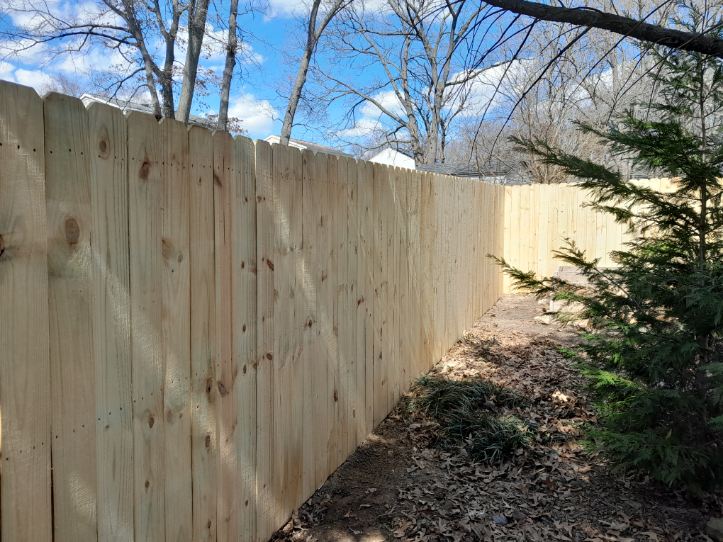
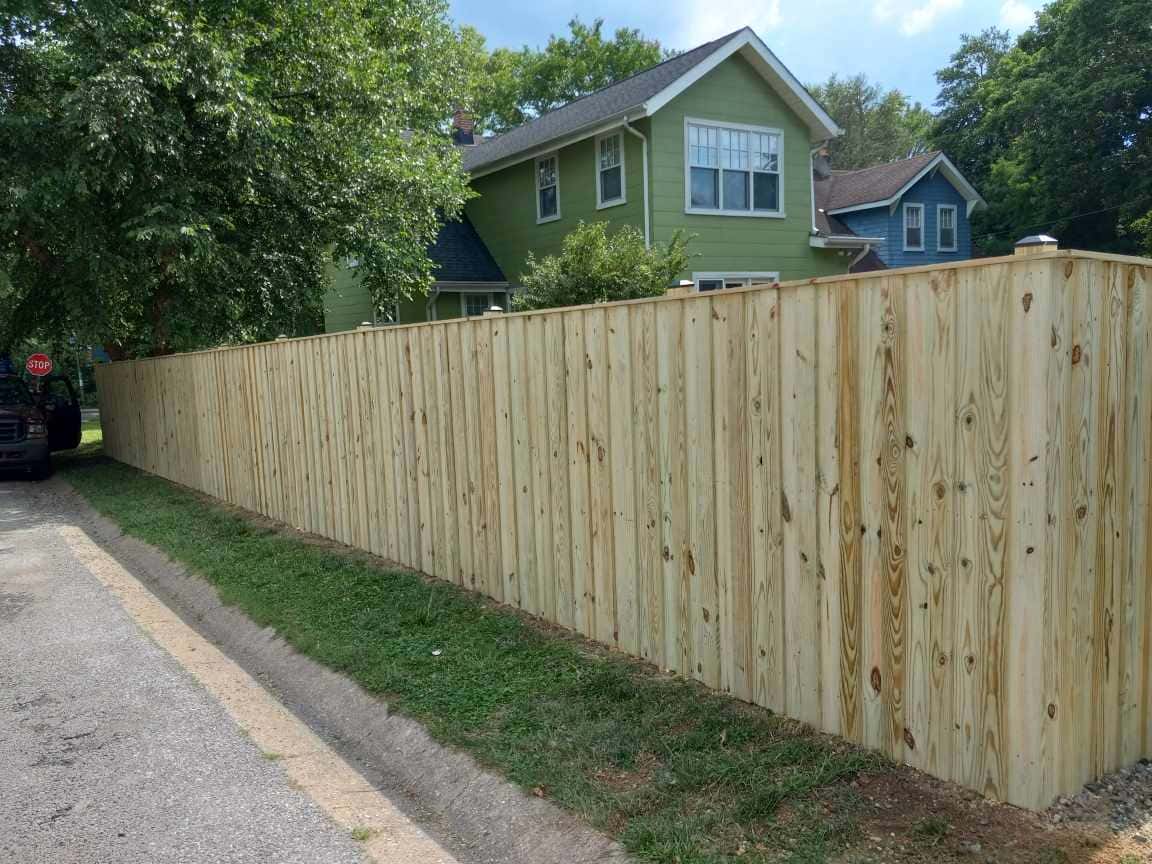
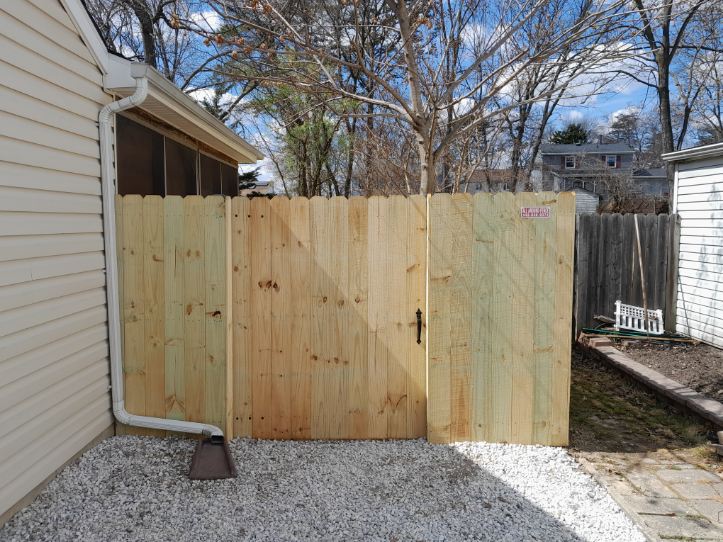
This is the standard wood privacy fence seen in many neighborhoods. Boards are installed tightly together to block visibility. Cap-and-trim details can help protect the top edge from moisture exposure and give the fence a cleaner finish.

newly built wooden privacy fence with gate in Severna Park Maryland

Board-on-Board Fencing

Board-on-board layouts feature overlapping pickets. This design greatly reduces the gaps that form when wood shrinks and expands with changes in humidity and temperature. It also provides more privacy and makes the structure feel more solid.

Horizontal Wood Fencing

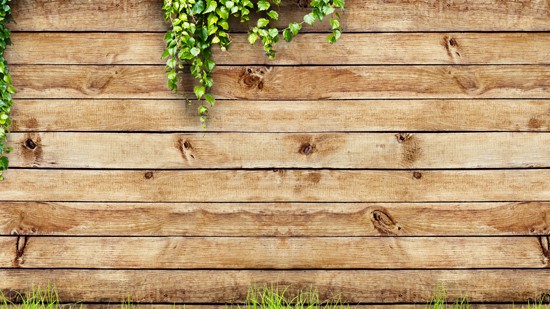
Horizontal layouts create a more modern appearance while maintaining privacy. Good framing and solid post support matter even more on properties where the ground tends to shift.

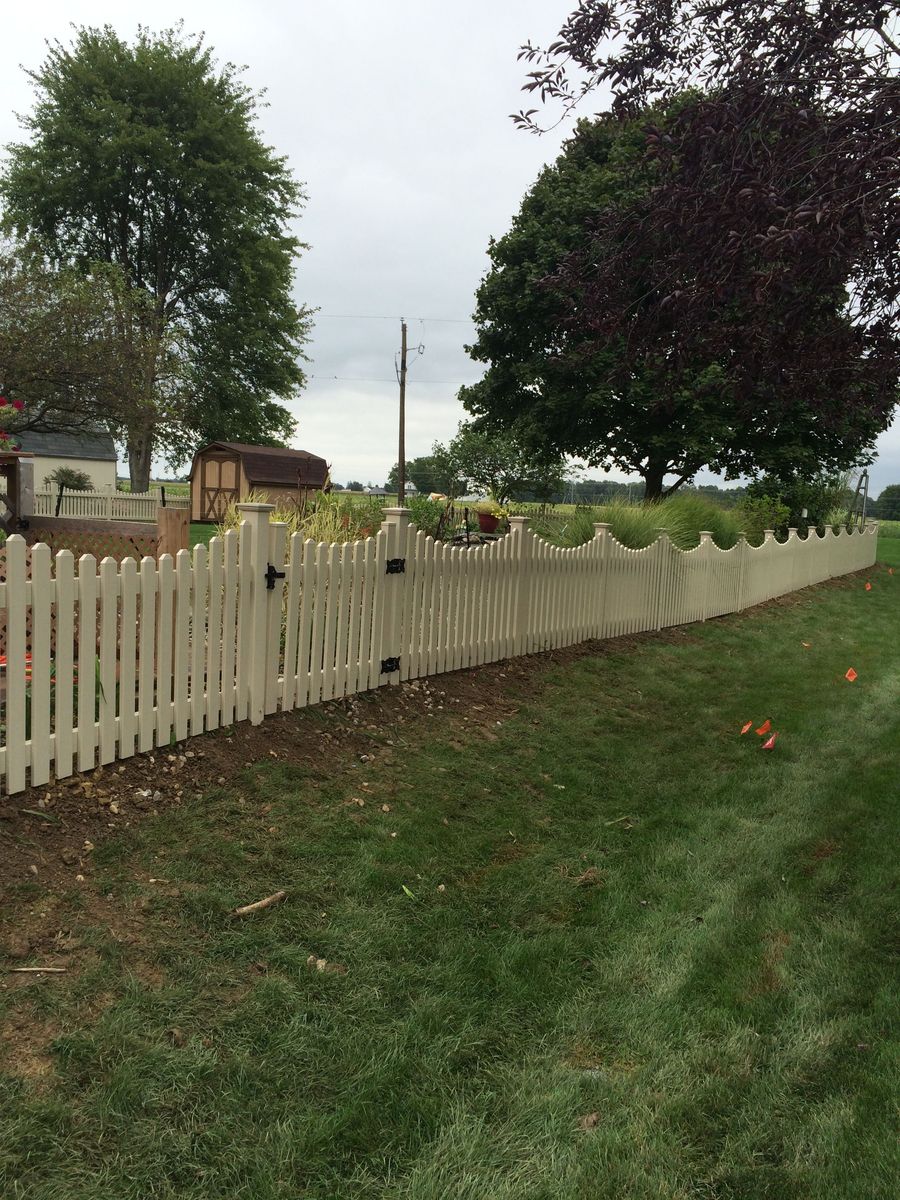
Tan vinyl fence installation in Fort Wayne, Indiana, completed by All Around Fence.

Wood Picket Fencing

Picket fencing defines front-yard boundaries without fully enclosing a space. Height and spacing can be adjusted depending on neighborhood guidelines and visibility preferences.

Gates & Finishing Details

Wood fence installations typically include one or more access gates. Gate width, hardware, and reinforcement depend on use. Decorative post caps, lattice toppers, and trim are optional details that refine the final look.

Why Us

Privacy & Property Applications

In many Maryland neighborhoods, yards aren’t wide open. Homes sit closer together, and privacy matters. A solid wood fence is often the simplest way to create separation without making a property feel closed in. Height, board layout, and gate placement all affect how private the space actually feels once it’s built.

Most backyard wood fences in this area are built as full-privacy panels. Board spacing matters more than homeowners expect. Even small gaps become noticeable over time as wood naturally shifts with humidity and seasonal temperature changes. That's why board layout and how the fence is fastened matter from day one.

Wood vs. Other Fence Materials

Wood is a strong choice for many Maryland homeowners — but it’s not always the right choice. The decision usually comes down to how much maintenance you’re willing to do, how long you want the fence to last, and what look you’re going for. Each material has a different answer to those questions, and the right fit depends on your property, your priorities, and how you plan to use the space.

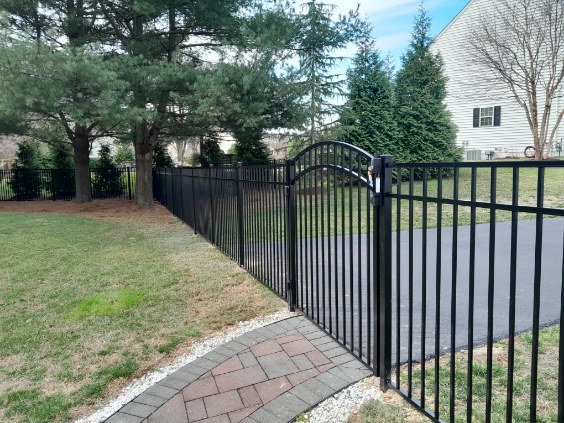
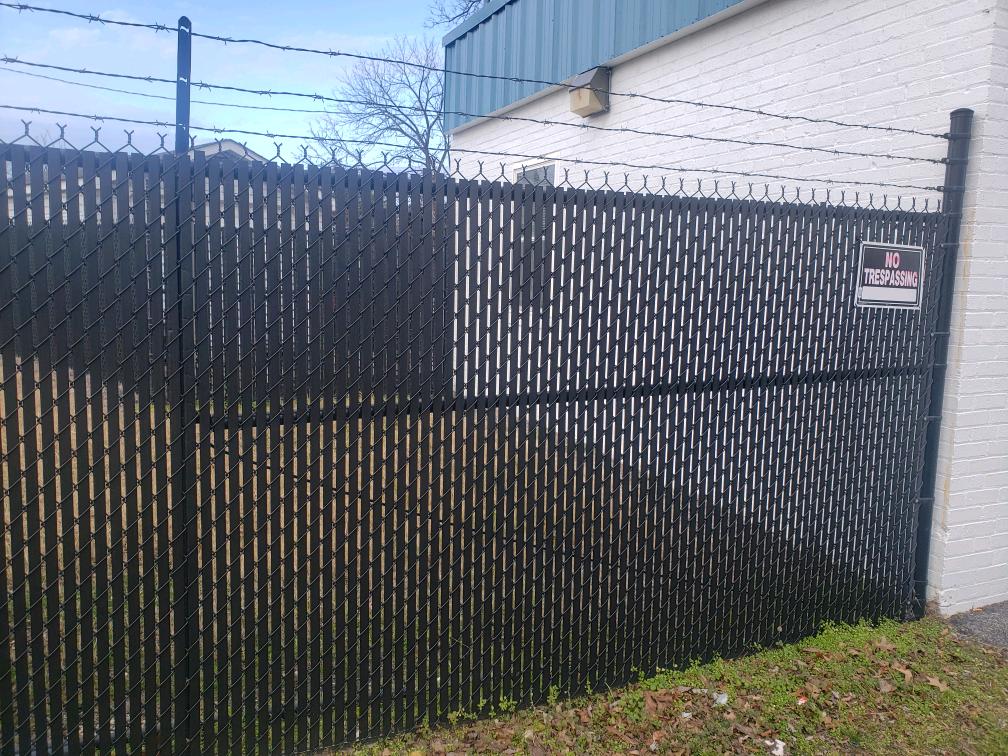
Vinyl tends to win on longevity and upkeep — no staining, no rot, no repainting every few years. Wood tends to win on warmth, customizability, and upfront cost. Aluminum sits in a different lane entirely, built more for visibility and open boundaries than privacy or containment — a common choice around pools and front yards where you want definition without blocking sightlines. Chain link is worth considering too, especially for utility-focused applications like pet containment or perimeter security, where budget and practicality take priority over appearance.

If you’re still narrowing things down, these pages go deeper into each matchup:

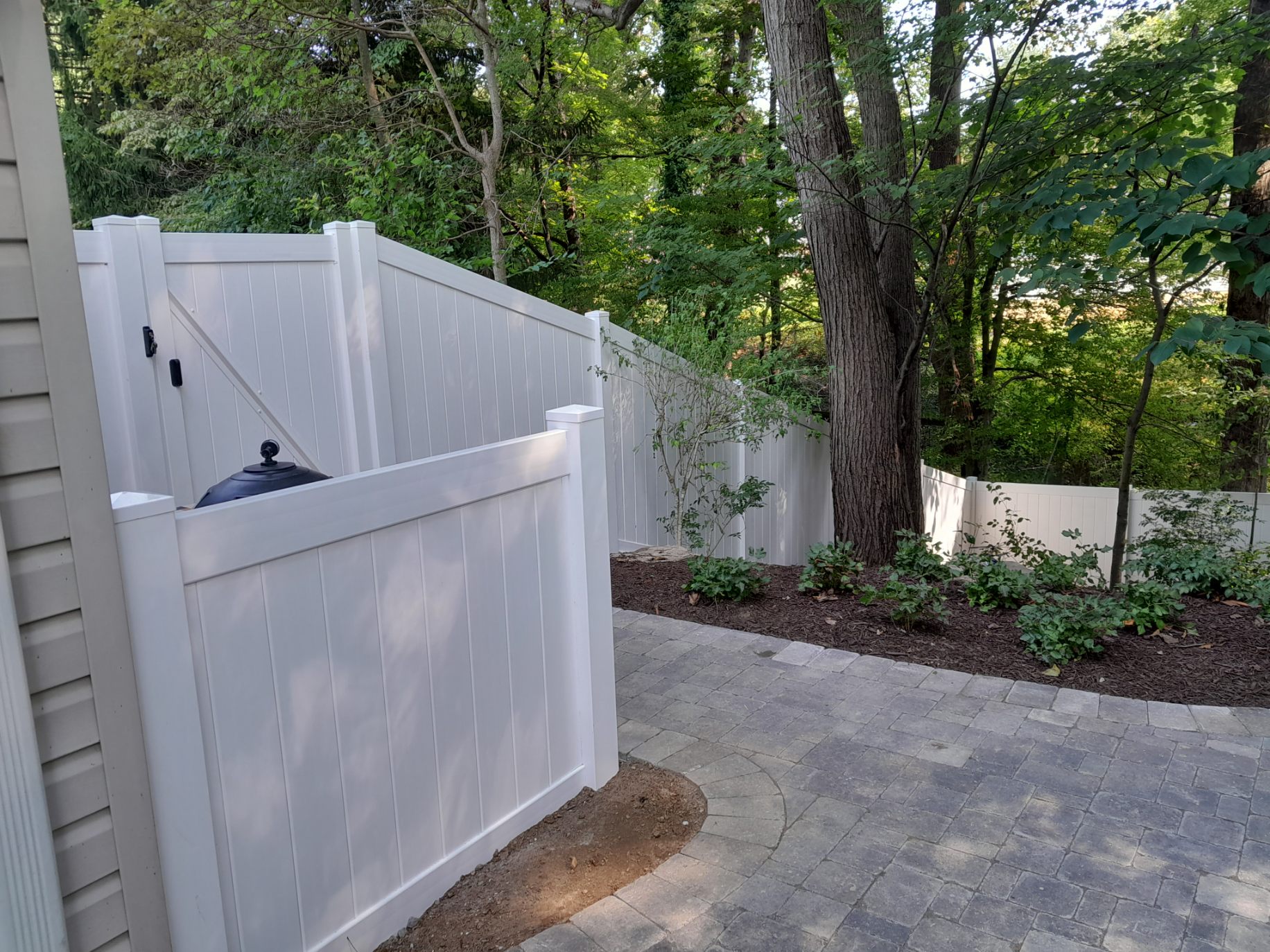
sloped white vinyl privacy fence near a tree

Wood vs. Vinyl Fence

How they compare on cost, lifespan, maintenance, and privacy

Wood vs. Aluminum Fence

Where each material makes sense and where it doesn't

Wood vs. Chain Link

Cost, function, and use case differences for utility vs. privacy needs

Durability in Maryland’s Climate

To ensure effective performance of wood fencing in Maryland, careful selection and installation tailored to local conditions are necessary.

Humidity & Moisture Cycles

Humid summers cause wood to absorb moisture and expand. Drier periods cause it to contract. Over time, this natural movement can create small gaps or surface cracking. Pressure-treated pine is commonly used because it’s chemically treated to resist rot and insect damage. Protective sealing slows moisture absorption and surface weathering.

Ground-Level Exposure

The ground line of a post and its opening are high-stress areas in wood fences. This is particularly true in moist, clay-heavy soils that retain water longer after rain. Since this is the lowest point of the fence, it’s most vulnerable to moisture and poor site preparation. Attention to depth, drainage, and backfill can reduce future damage.

Freeze–Thaw Impact

Seasonal freeze–thaw cycles cause soil to expand and contract. Shallow posts are more likely to shift. Deeper-set posts and stable footings help prevent the gate from leaning or misaligning over time.

Sun Exposure & Airflow

Fences in full sun may dry and fade faster, while fences in shaded areas may retain moisture longer. Board spacing and airflow influence how quickly wood dries after rain, which affects long-term durability.

Realistic Lifespan Expectations

With correct installation and periodic sealing, a wood fence in Maryland typically lasts 15–20+ years. Longevity depends on exposure, maintenance, soil conditions, and build quality — not just wood type alone.
Why Us

Wood Fence Cost Factors

The cost of a wood fence depends on more than just linear footage. Material choice, site conditions, and design details all influence the final price.

Pressure-treated pine is typically more cost-efficient and widely available. Cedar often costs more due to material pricing and availability. The type of wood selected directly affects overall material cost.

Ready to Transform Your Property?

Wood Fence Maintenance & Care

Wood fencing does require upkeep. The good news is that most maintenance is straightforward when handled consistently.

Pressure-treated pine is typically more cost-efficient and widely available. Cedar often costs more due to material pricing and availability. The type of wood selected directly affects overall material cost.

Why Us

Local Planning Considerations Before Installing a Wood Fence in Maryland

Wood fence performance isn’t just about material choice. Local regulations and property layout matter just as much.

Before installation, confirming boundary lines prevents disputes. In established Maryland neighborhoods, older lot markers are not always visible. A survey can prevent costly adjustments later.

Aluminum is often a good choice for Maryland's mix of humidity, rain, and freeze-thaw winters. Its powder-coated finish tends to hold up well against moisture over time. Vinyl is another option worth considering in damp conditions. Wood can last for many years, too, though it generally needs regular sealing to handle the seasonal changes here.

Call (443) 838-9374