


Walk into any fence showroom or open a vinyl manufacturer catalog and you’ll find more than 50 vinyl fence styles to browse, a dozen color options, and enough combination choices to make a straightforward backyard project feel like a design degree requirement. Most homeowners in Pasadena and Glen Burnie don’t need all of that. They need to know which styles actually suit their yard, what holds up in Maryland’s climate, and what their HOA will approve.
This guide covers the vinyl fence styles that make the most sense for properties in Anne Arundel County. All Around Fence & Decks is located at 8130 Ventnor Road, Pasadena, MD 21122 — call (443) 838-9374 to schedule a free estimate.


Vinyl fencing generally falls into a few core style families. Most variations you’ll see are simply adjustments to these base designs.

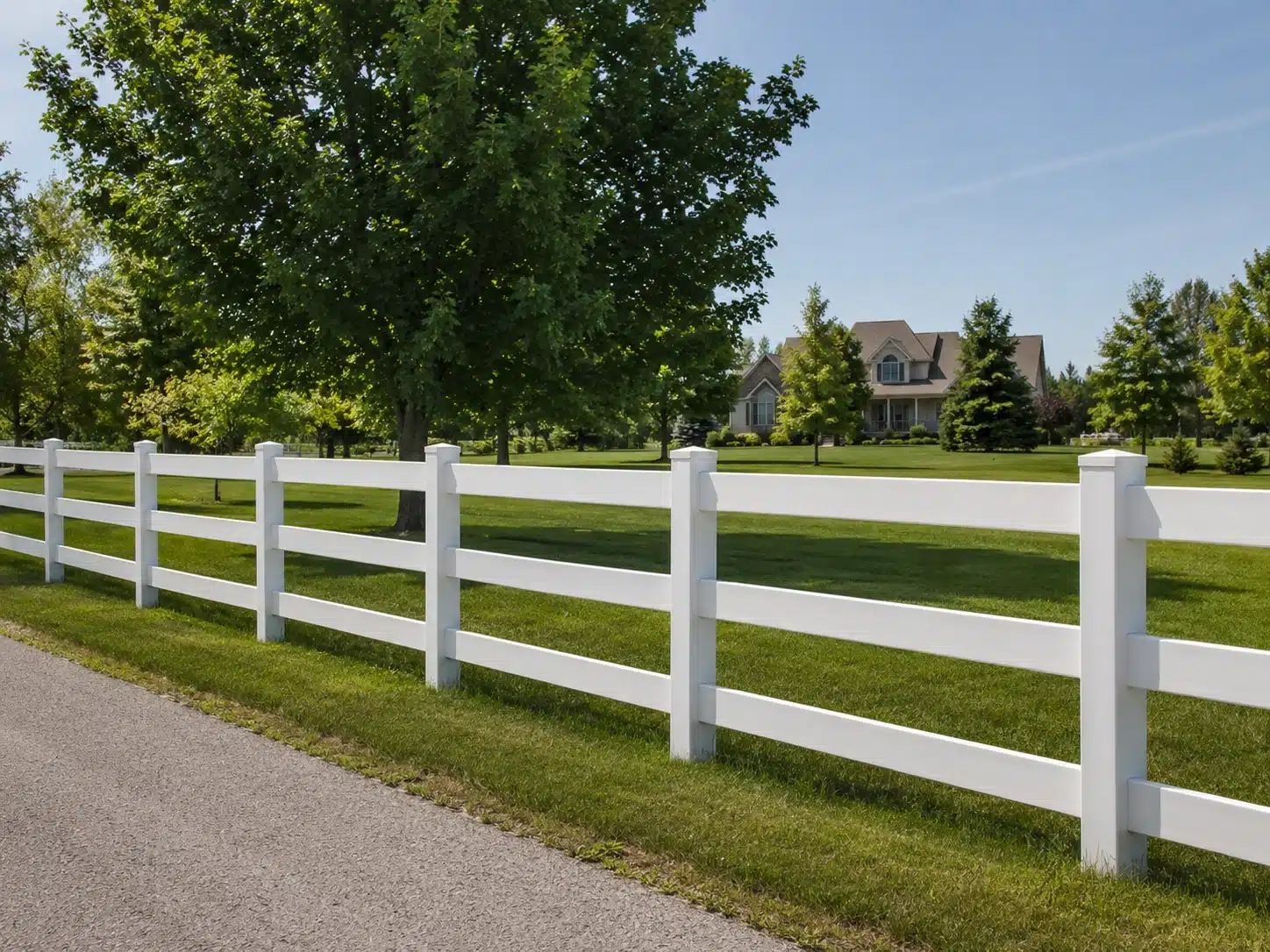
Ranch rail (also called post-and-rail) features horizontal rails attached to widely spaced posts. This style is most common on larger lots or properties that border wooded areas rather than neighboring homes. It’s not designed for privacy — it’s used to define boundaries and maintain an open, natural look.
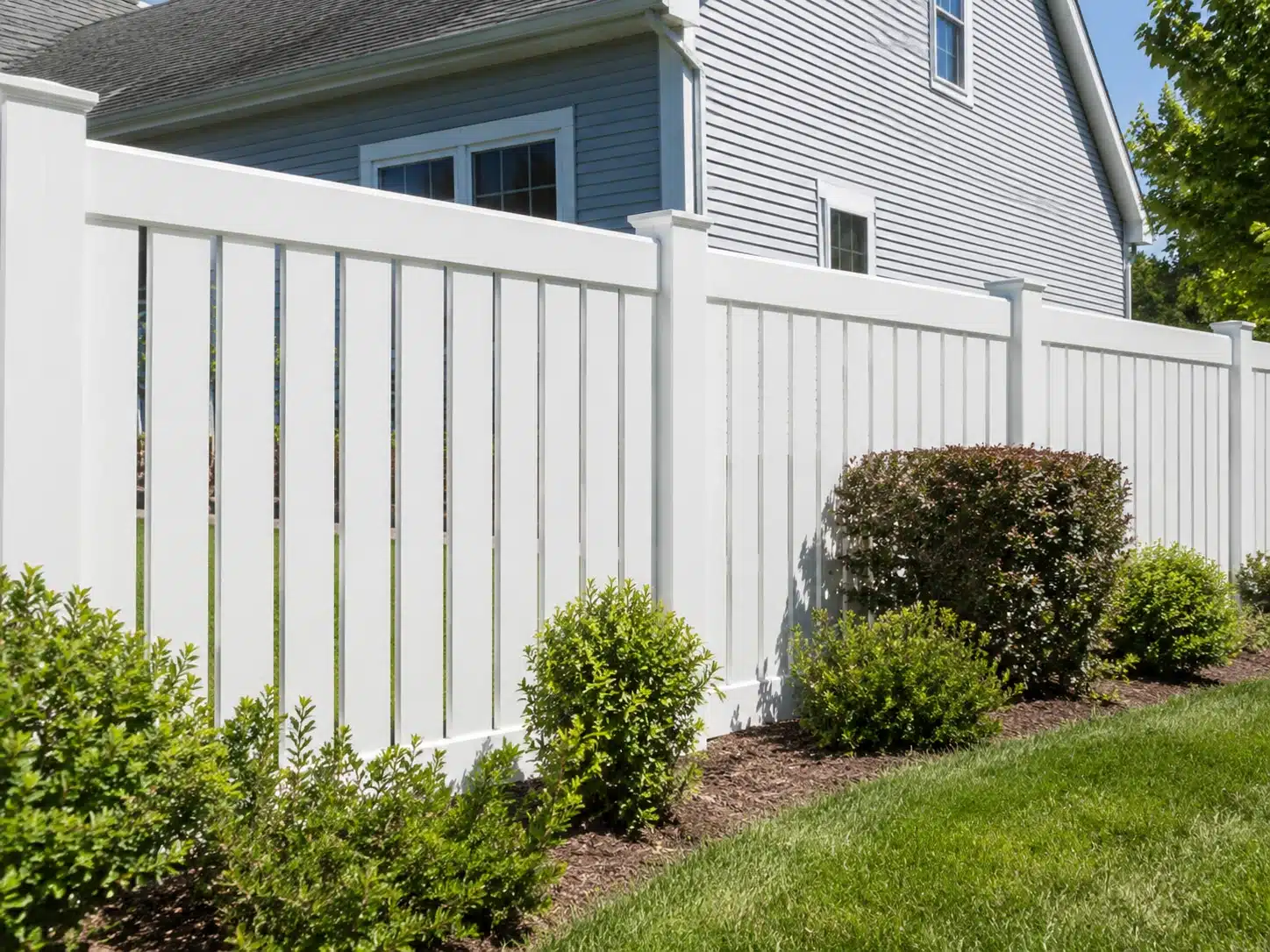
A semi-privacy fence uses boards spaced slightly apart — typically with 3/8- to 1/2-inch gaps. You give up full visual screening, but in return, you get better airflow and a lighter, less enclosed feel. In Anne Arundel County, this style is commonly used alongside yards and property lines where a full privacy fence can feel too heavy.
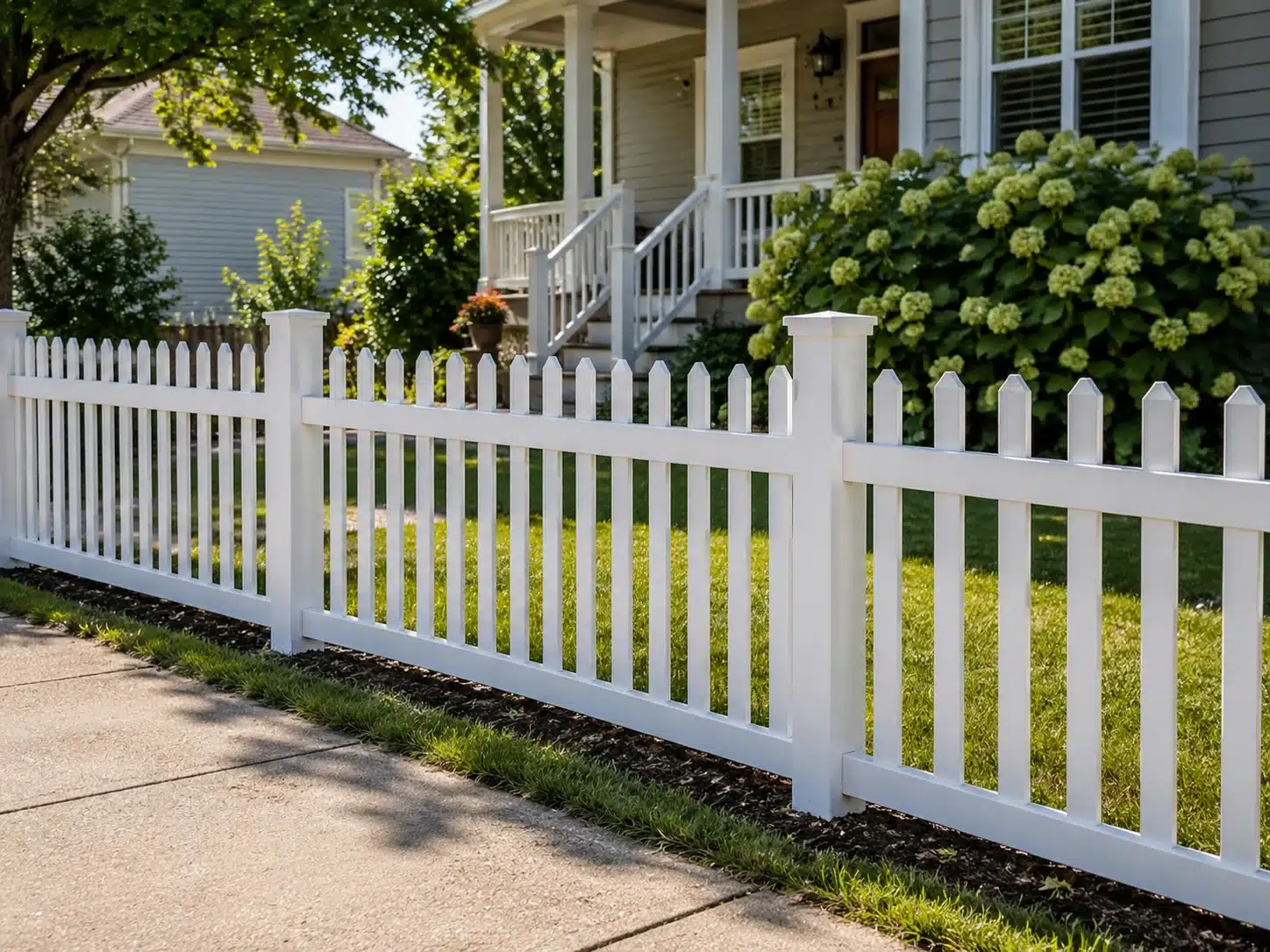
Picket fence is the classic open-profile style, with evenly spaced vertical pickets attached to horizontal rails. It’s most often used in front yards or for decorative boundaries rather than privacy. Vinyl picket fences come in flat-top, dog-ear, and pointed profiles. While white is still the most common color, gray and tan options have become more popular in recent years as homeowners look for something a bit less traditional.
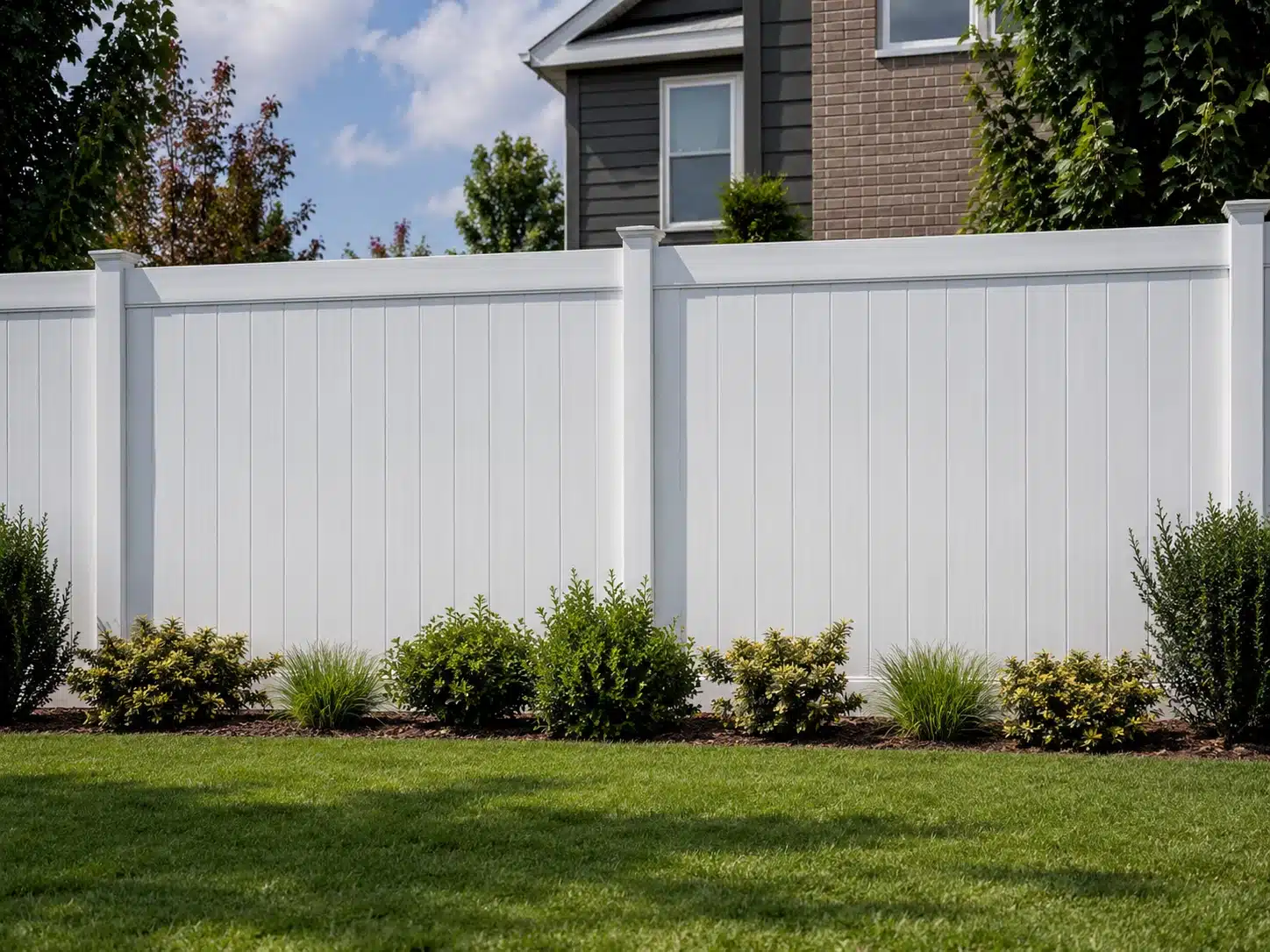
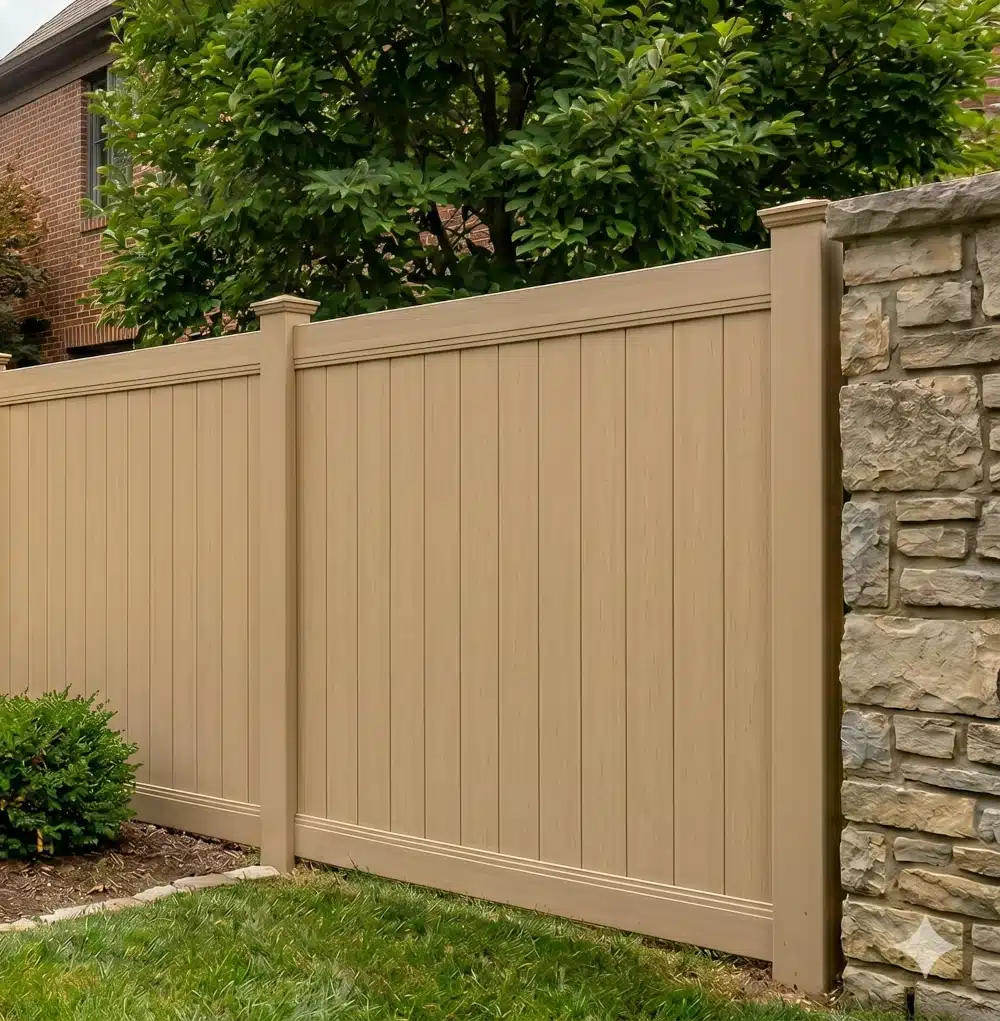
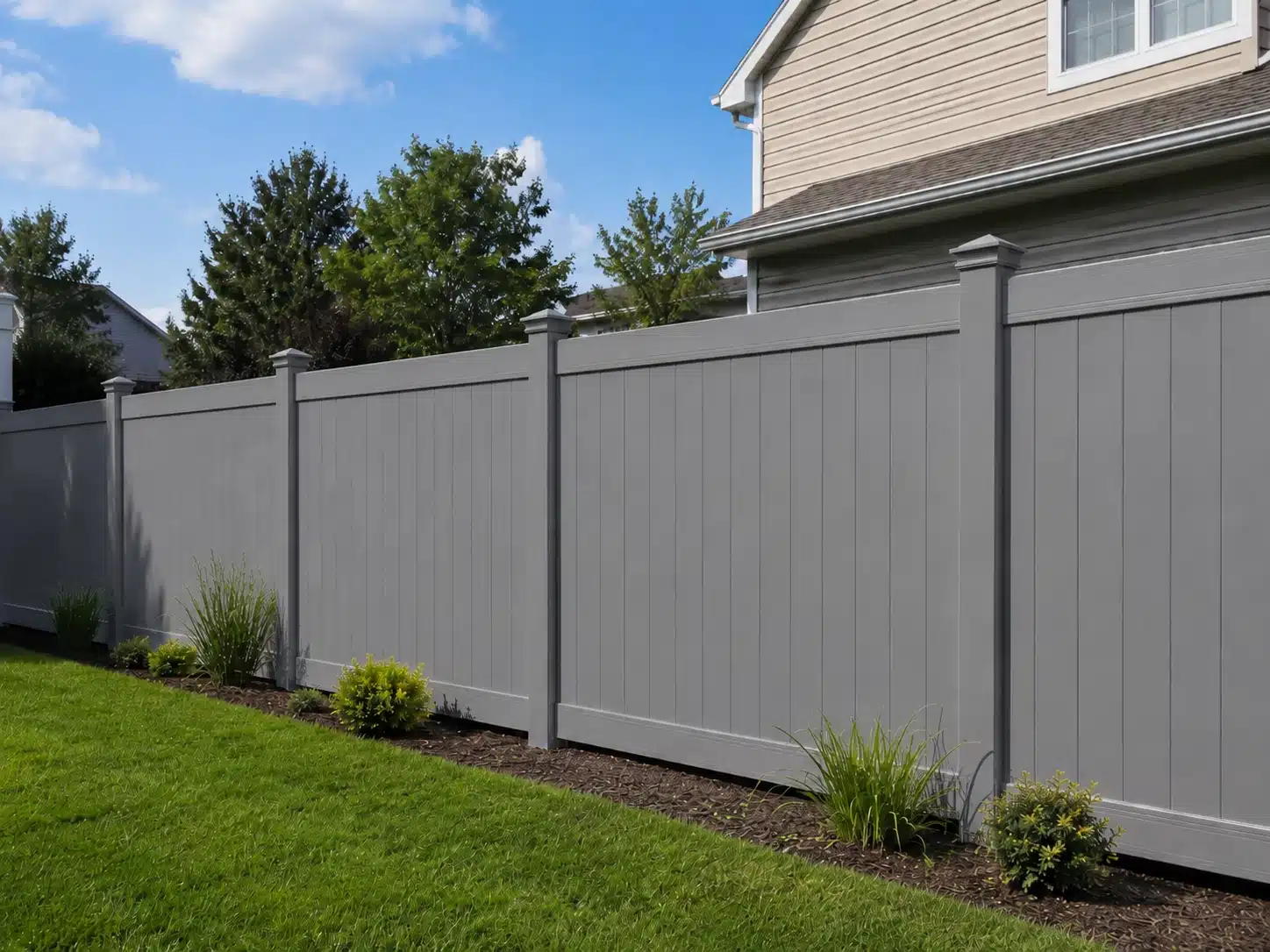
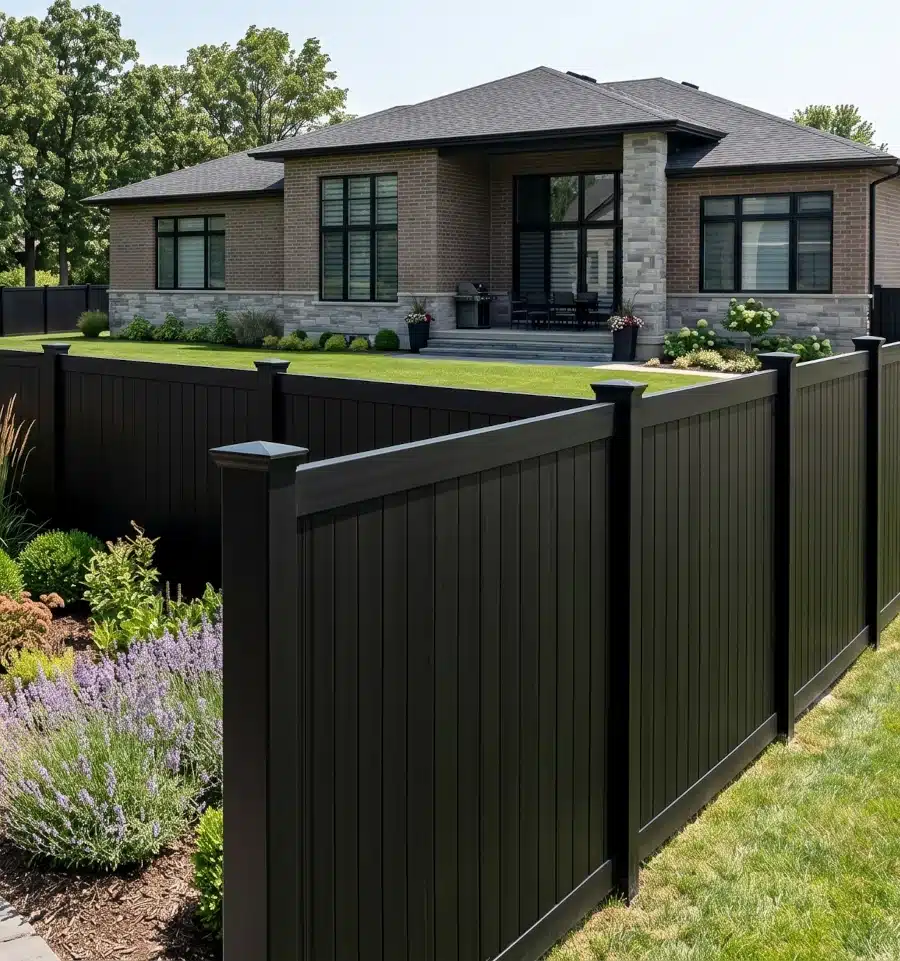
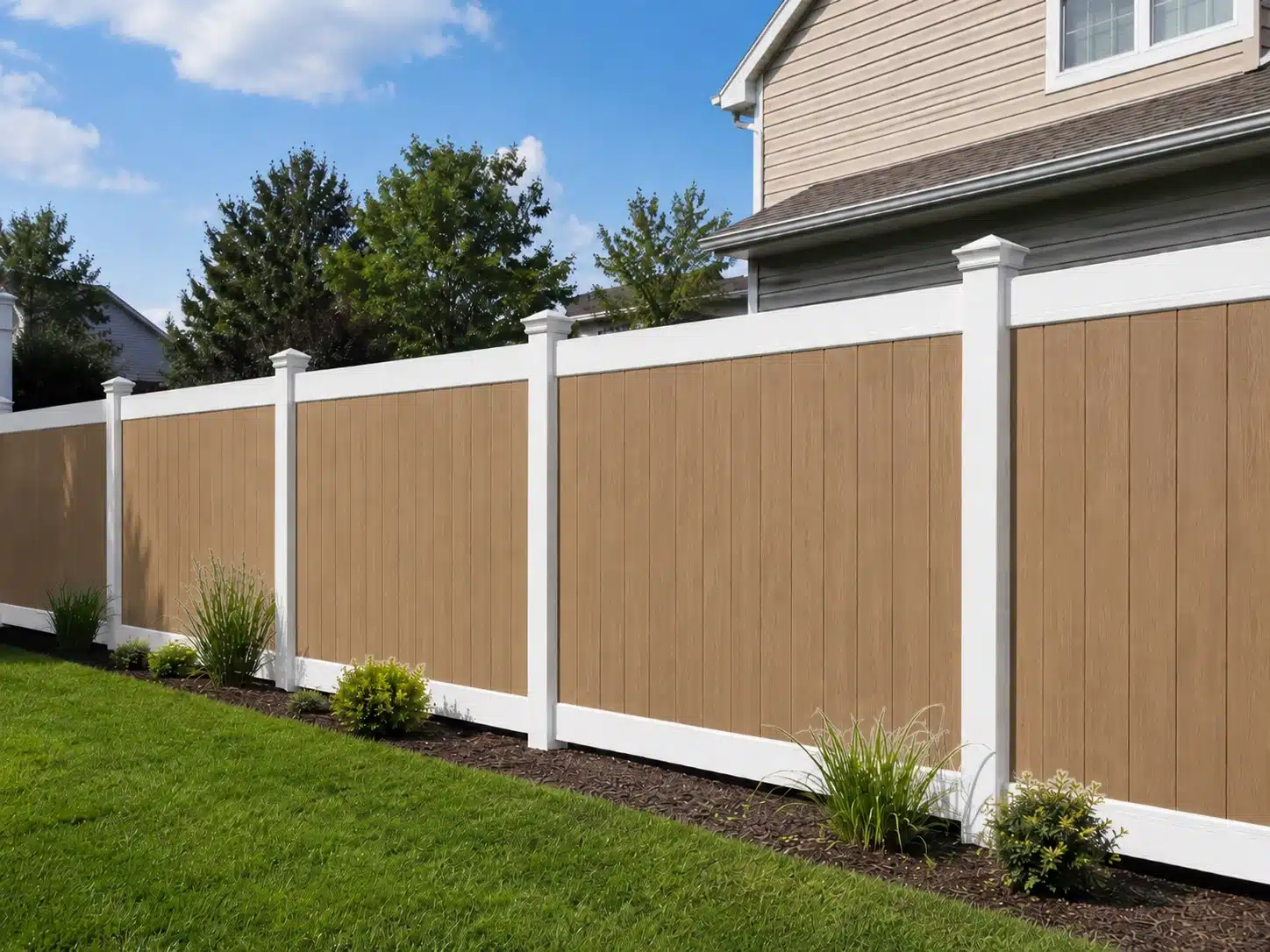
Privacy fence is the most common choice in this area — and for good reason. Full-board panels with no gaps between pickets create a complete visual barrier from neighboring yards and passing traffic. The “classic privacy” profile — a flat run of boards with a flat or routed top — is what most homeowners picture when they think of a white vinyl fence.
If you want to add some visual interest, a lattice-top privacy fence keeps the lower section fully enclosed while opening up the top portion. It’s a good fit for homeowners who want privacy without making the space feel completely closed in.
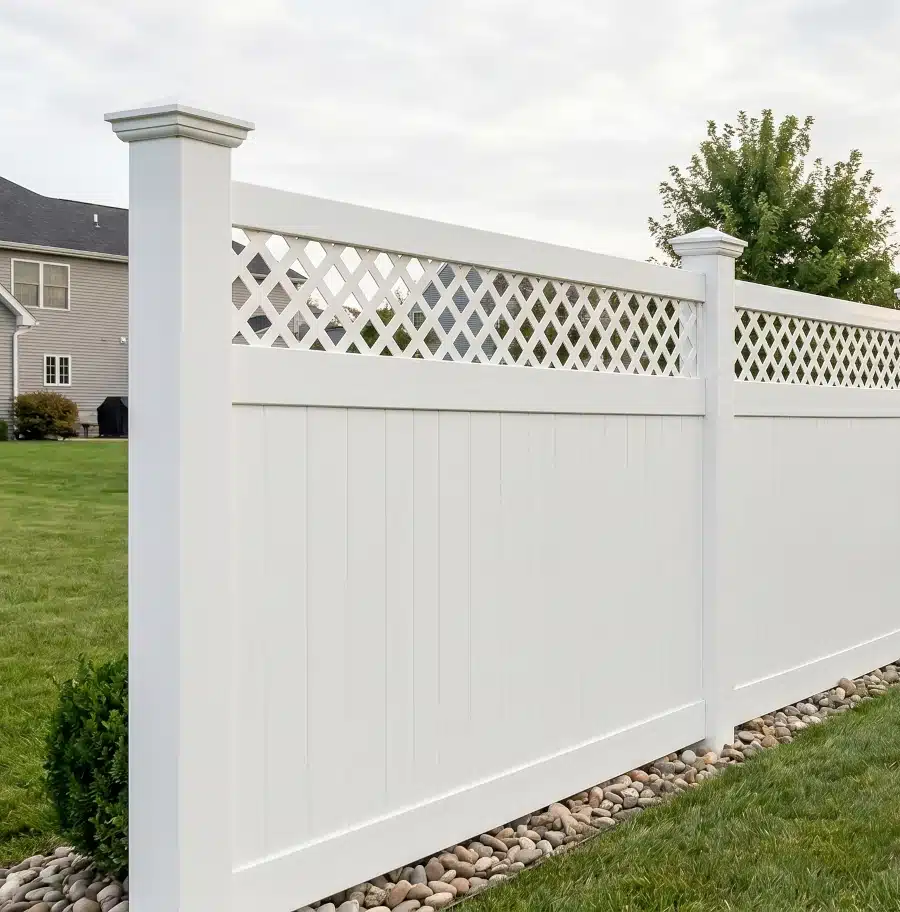
White is still the most-ordered vinyl color. It’s clean, reads universally, and holds its look well because fading is minimal on modern UV-stabilized vinyl.
That said, not every yard suits white. The color options that have become standard in the mid-Atlantic market include:
A note on color and HOAs: Many communities in Anne Arundel County require fence colors that match or complement the home’s exterior. Before ordering vinyl in a non-white color, check your HOA guidelines or verify with your municipality.
Vinyl fencing is genuinely low-maintenance, especially compared to wood. It won’t rot, it doesn’t need staining or sealing, and it isn’t vulnerable to termites. For Maryland homeowners, a well-manufactured vinyl fence typically lasts 20 to 30 years with minimal upkeep.
Choosing between Vinyl and Aluminum Fencing depends on your goals for maintenance, durability, privacy, and curb appeal. Read our detailed Vinyl vs Aluminum Fence comparison to help determine the best option for your property.
If you’re still weighing the tradeoffs, our wood fence pros and cons guide breaks down the clear cost of owning a wood fence in terms of maintenance and long-term durability.
A few things do affect longevity in this area.
UV exposure will break down lower-grade vinyl over time. When comparing products, look for panels labeled UV-stabilized or UV-resistant — this means the PVC includes additives designed to slow damage from direct sunlight. In Maryland, that matters. Summers bring consistent UV exposure, especially on south-facing sections of your fence.
Post stability matters just as much with vinyl as it does with wood. The post is the structural anchor for the entire fence line. In Anne Arundel County’s clay soils, posts should be set below the 30-inch frost line and secured in concrete footings. If a post shifts during winter freeze-thaw cycles, the fence will start to lean, rack, or open gaps — and those issues typically can’t be corrected without resetting the post.
Steel-reinforced rails are worth asking about. Some vinyl systems use hollow rails, while others include internal steel inserts for added strength. On longer runs and at corners, reinforced rails help keep the fence straight and stable over time.
A few questions can make the decision much easier:
Full-board privacy panels work best for screened backyards. Picket fencing suits front-yard boundaries and traditional curb appeal. Semi-privacy styles offer a balance of airflow and visual separation.
If you haven’t confirmed the guidelines yet, white is usually the safest starting point. A site visit to measure your property can also help uncover HOA restrictions, especially if we’ve worked in your neighborhood before.
Rackable vinyl panels are designed to follow the natural slope of the land. If your yard drops significantly along the property line, choosing the right panel style will determine how cleanly the fence follows the grade.
We install vinyl fencing throughout Pasadena, Glen Burnie, Severn, and surrounding Anne Arundel County communities. Our systems use steel-reinforced rails and posts set below Maryland’s 30-inch frost line — the structural details that help fences stay stable through seasonal ground movement and winter freeze-thaw cycles.
If you’re comparing styles or planning a new installation, we can help you choose a fence that fits both your property and your long-term maintenance goals. For a free estimate and style consultation, call (443) 838-9374 or visit the vinyl fence installation page.