


MHIC #97820
MHIC #97820

Vinyl vs Aluminum Fence: Which Is Right for Your Maryland Yard?

Vinyl and aluminum fencing both perform well in Maryland’s climate. Both materials resist rot, hold up better than wood in humid conditions, and require far less maintenance over time.

For most homeowners, the better option comes down to one question: What does the fence actually need to do?

Privacy fencing, decorative borders, pool enclosures, and front-yard installations all place different demands on a fence system. In most cases, the intended use of the fence matters more than the material alone.

Get Your Free Estimate Today

Where Vinyl Fencing Has the Advantage

The biggest advantage of vinyl fencing is its ability to provide privacy while still maintaining a clean residential appearance.

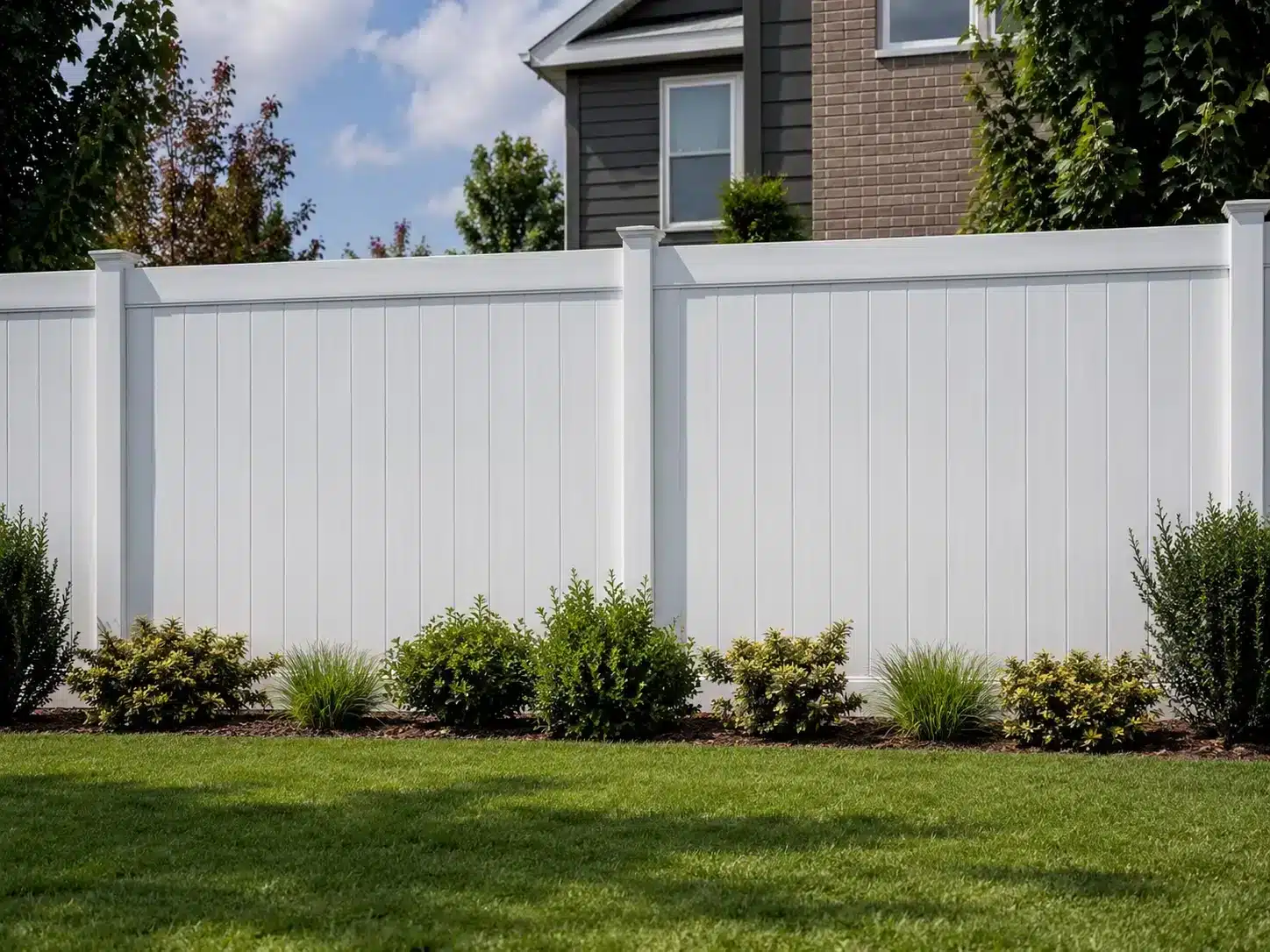
White vinyl privacy fence with full solid panels installed in a landscaped suburban backyard.

Privacy

Vinyl fencing is the stronger option when full backyard privacy is the goal.
Unlike aluminum, vinyl privacy panels create a complete visual barrier between neighboring properties, streets, or common areas. For homeowners who want to reduce visibility into the yard, vinyl is usually the more practical choice.
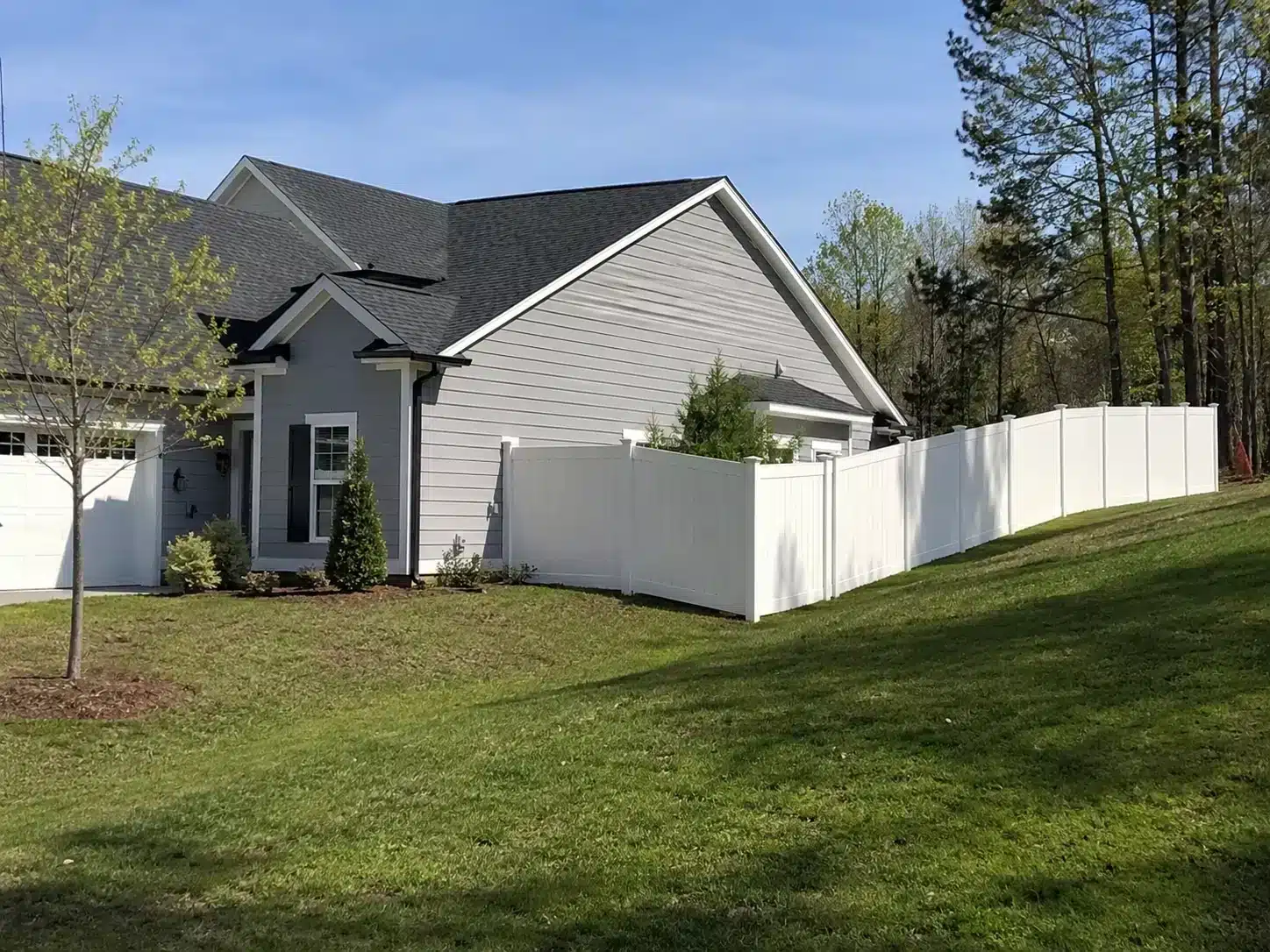
White vinyl privacy fence installed along a sloped residential yard beside a suburban home.

Traditional Residential Appearance

Vinyl fencing fits naturally with many of the Colonial, Cape Cod, and traditional suburban home styles found throughout Anne Arundel County. White and tan vinyl privacy fences create a clean, consistent appearance that works especially well in residential neighborhoods where fencing runs directly alongside homes and property lines.
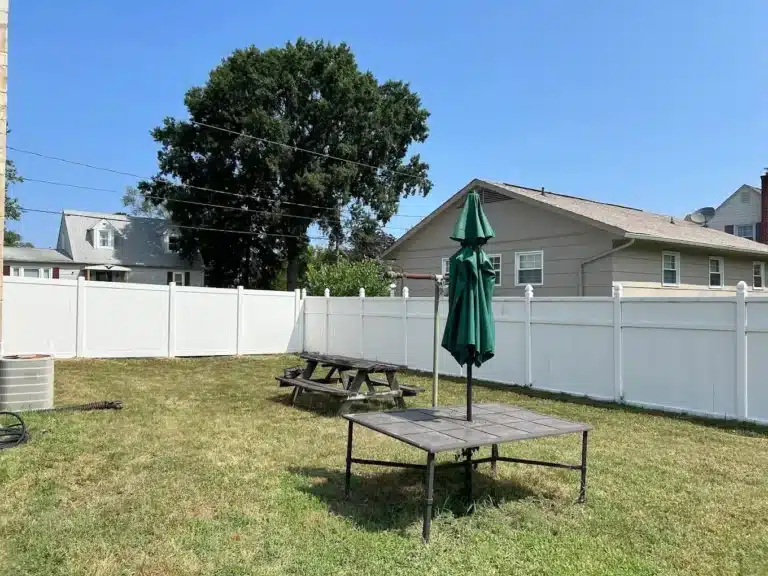
White vinyl privacy fence enclosing a backyard patio area with outdoor furniture.

Lower Cost for Privacy Installations

For full-privacy fencing, vinyl is typically more affordable than aluminum for comparable fence runs. Because aluminum fencing uses an open picket design, achieving privacy with aluminum usually requires landscaping or additional screening.

Where Aluminum Fencing Has the Advantage

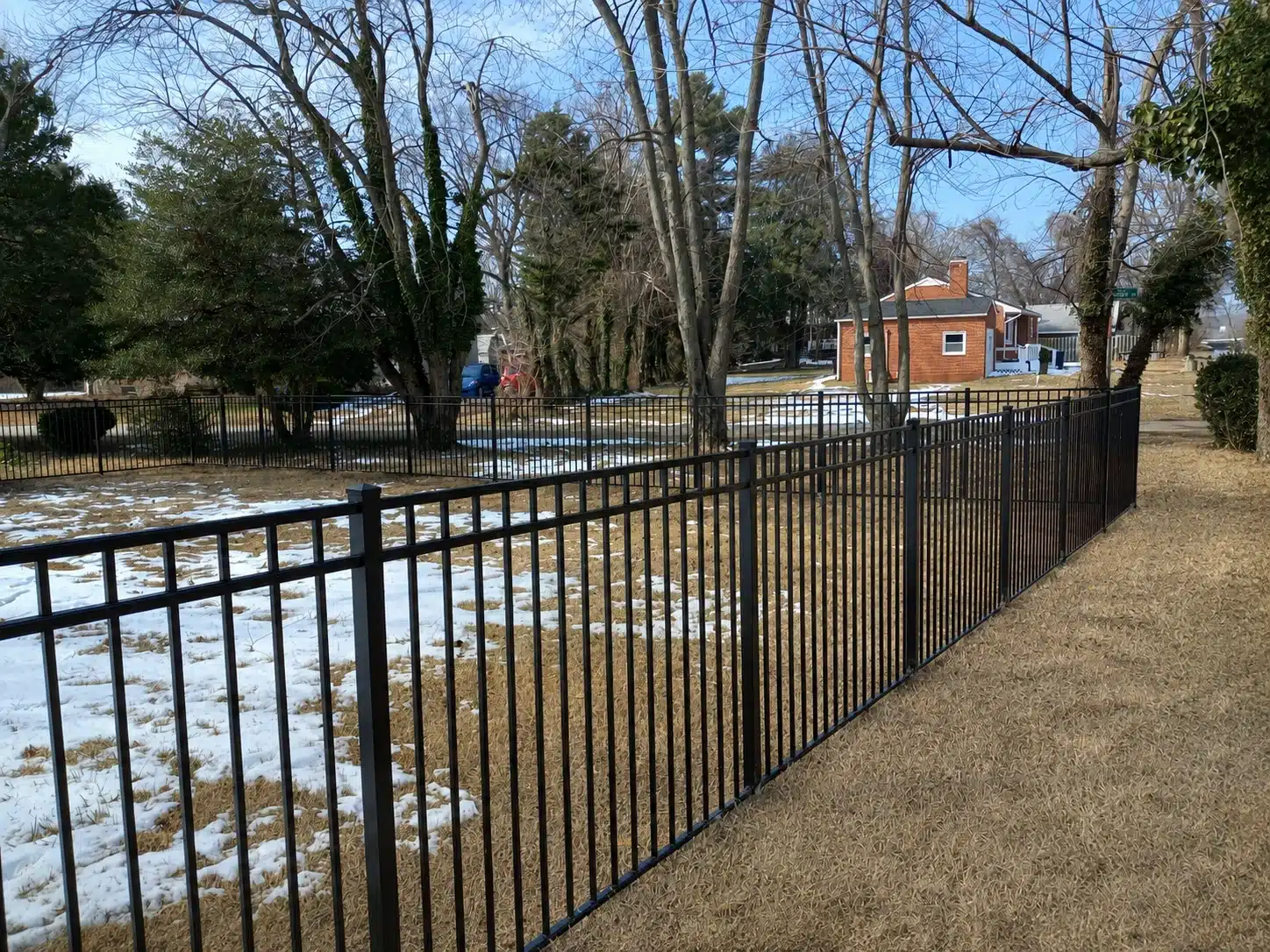
Aluminum fencing performs best in applications where visibility, appearance, and structural rigidity matter more than privacy.

Black aluminum pool fence around a waterfront yard in Maryland.

Pool Fencing

Aluminum fencing is one of the most common choices for pool enclosures because its open-picket design maintains visibility into the pool area.
That visibility can improve sightlines from the house or patio while still creating a secure perimeter around the pool.

Decorative Borders and Front Yards

For homeowners focused more on curb appeal than privacy, aluminum offers a more ornamental appearance. The material works especially well for front-yard borders, garden enclosures, and properties where the fence is intended to complement landscaping rather than block visibility.

Black aluminum fence beside a home patio and lawn in Maryland.

Structural Rigidity

Aluminum generally handles impact and lateral force better than vinyl. While both materials are durable, aluminum is less likely to crack from sudden impact in colder weather conditions.

Black aluminum fence installed along a wooded Maryland property.

Long-Term Finish Durability

Most residential aluminum fencing uses a powder-coated finish that performs well in Maryland’s humidity. The finish resists peeling and does not require repainting or resealing over time.

How Maryland's Climate Affects Fence Performance

Regardless of material, installation quality has a major impact on how a fence performs over time.

Anne Arundel County’s clay-heavy soils hold moisture and expand during freeze-thaw cycles. Posts that are not installed below the frost line are more likely to shift, lean, or cause alignment problems over time. That matters for both vinyl and aluminum fencing.

A vinyl fence with unstable posts may begin to warp or separate at the panels. Aluminum fencing can also shift if the posts are not properly secured.

For either material, homeowners should ask:

  • Are posts installed below frost depth?
  • Are concrete footings used?
  • Are vinyl rails reinforced?
  • Are aluminum components full structural profiles rather than thin rolled sections?


Those structural details often determine whether a fence lasts for decades or begins showing problems after only a few seasons.

For a full breakdown of how vinyl performs over time in this area, the vinyl fence styles and overview page covers lifespan, color options, and what to look for in a quality installation.

Why Us

Which Fence Material Makes More Sense for Your Property?

For most homeowners in Anne Arundel County, the decision usually follows a predictable pattern. The right material usually becomes clearer once you narrow the decision down to how the fence will function on the property.

Choose Vinyl If:

  • You want full backyard privacy
  • You prefer a clean, traditional residential appearance
  • You want lower long-term maintenance than wood
  • You need a fully enclosed perimeter for pets or children


Choose Aluminum If:

  • You need pool fencing
  • You want a decorative or ornamental look
  • You want visibility through the fence line
  • The fence primarily defines property boundaries rather than creating privacy

In some cases, homeowners combine both materials — using vinyl along the sides and rear of the property for privacy, then aluminum along the front for curb appeal.

Vinyl and Aluminum Fence Installation in Anne Arundel County

All Around Fence & Decks installs both vinyl and aluminum fencing throughout Pasadena, Glen Burnie, Severn, Odenton, and surrounding Anne Arundel County communities. Every installation includes post-installation frost-depth testing, concrete footings, and an owner-led site evaluation before construction begins. For questions about which material fits your property, call (443) 838-9374 (All Around Fence & Decks, 8130 Ventnor Road, Pasadena, MD 21122) or visit the vinyl fence installation page.
Call (443) 838-9374