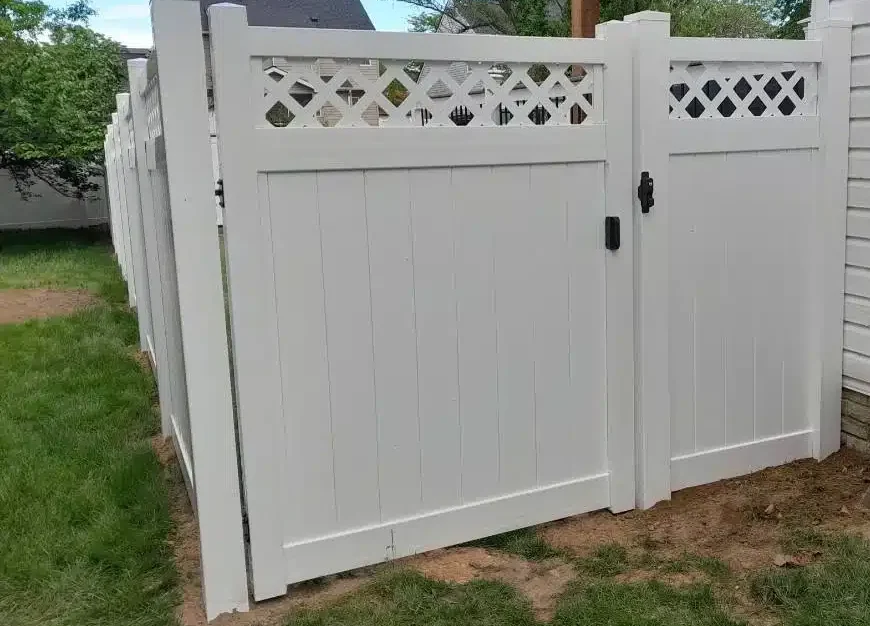
A gate lock is one of the simplest upgrades you can make to a fence, but with latches, keyed locks, magnetic locks, smart locks, and fully automatic gate operators all on the market, picking the right one isn’t always obvious. This guide walks through every major fence gate lock type, which materials each one works best with, how to install and maintain them, and the security and child-safety standards homeowners and business owners should know before choosing a lock for their yard, pool, or property.
First Things First – Is the Gate Stable
and Functional?
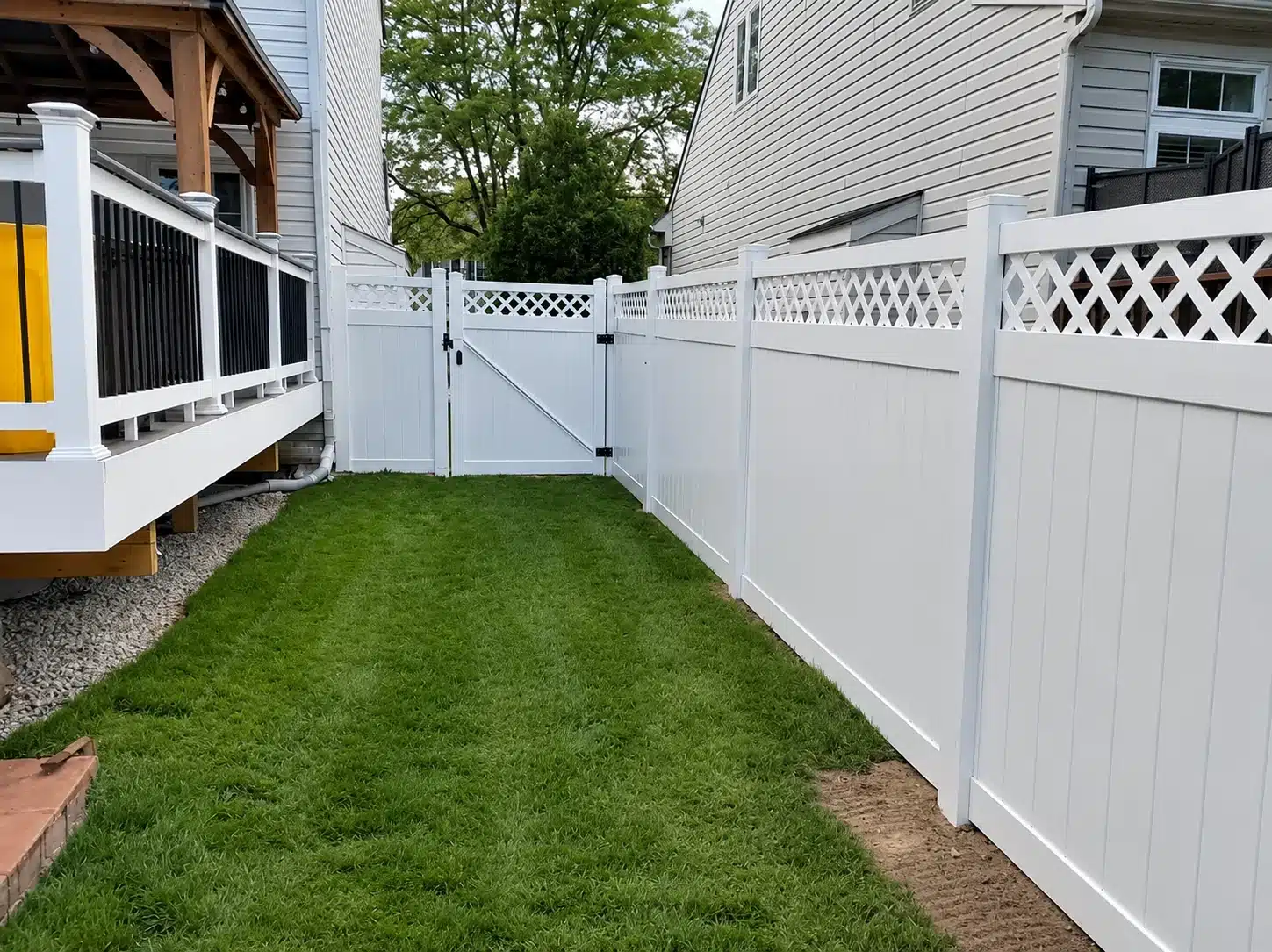
Before we can talk about gate locks, we need to address your gate itself. Is it stable, functional, and reliable? Could someone easily hop the gate or pull it off the hinges? If so, you need to address those functional concerns before tackling the security issues. A lock isn’t going to be much good if the gate itself is falling apart.
Types of Fence Gate Locks
The style of fencing and gate that you have will determine how to best lock the gate. There are many options to choose from, and you may benefit from using more than one.
- Gate latch – Most fences will have some sort of gate latch connecting the gate to the rest of the fencing. This is the first step in locking the gate, but you’ll need an additional lock to officially secure it. It’s easy to open most gate locks, even if they hold the gate firmly in place.
- Sliding bolt or barrel bolt – A sliding bolt has a bolt on one end and a tunnel on the other. The bolt slides into the tunnel to secure the gate. This can provide decent protection, as long as there is not too much room between the gate and the fence.
- Carabiner – A carabiner can keep the gate latch from slipping open. It works well for keeping pets from escaping, but humans can open them without much effort. If you want maximum security, this isn’t the best option. It is, however, one of the cheapest.
- Pad lock – Most gate latches have holes for a pad lock or carabiner to go. This keeps the latch from opening when the lock is in place. There are varying levels of pad locks, so you can choose what works for your budget and security needs. Some have a wide loop that could be cut with a lock cutter, but the ones with the small loops may be difficult to get around the gate latch. You may need to try a few different options to find the right fit.
- Keyed lock – A keyed lock — whether a keyed padlock or a surface-mounted keyed gate lock — uses a physical key instead of a clip or combination, making it harder to open by hand than a carabiner or basic latch. It’s a solid mid-range option if you want more security than a latch alone but don’t need electronic access.
- Magnetic lock – Magnetic (mag) gate locks use an electromagnet mounted on the gate frame and a metal armature plate on the gate itself; when powered, they can hold with up to 1,500 lbs of force. They’re fail-safe, meaning they release automatically if power is lost, and they work best on aluminum, steel, or ornamental iron-style gates that can support the armature plate — wood and vinyl gates typically need a metal mounting plate added first.
- Child safety latch – Self-closing, self-latching gate hardware closes and locks the gate automatically every time it swings shut, without anyone remembering to do it. This is required by code on most pool fences and is worth adding to any gate near a pool, play area, or road.
- Smart lock – Bluetooth- or Wi-Fi-enabled gate locks let you unlock the gate from a phone app, share access codes with guests or service providers, and see when the gate was last opened. Look for a model with a high weatherproof (IP) rating so it can handle Maryland’s rain, humidity, and temperature swings.
- Automatic gate lock – For driveway and commercial gates, an automatic gate lock pairs an electric strike or magnetic lock with a gate operator, keypad, or remote, so the gate locks and unlocks as part of opening and closing. This is the most secure and convenient option for high-traffic gates, but it requires professional installation and power at the gate.
- Hook and eye – Hook and eye locks aren’t terribly common on fences, but they can work in a pinch. The eye sits on one side and the hook hangs on the other. When the gate is shut, the hook goes into the eye to keep the gate in place. This can be easily knocked loose, so proceed with caution.
- Chain with a lock – This is most common on chain link fences or gates for perimeter fencing. The chain connects two gates together, and then a lock secures the two ends of the chain. This will only work if there is enough room around the edge of the gate to wrap a chain through.
- Bolt in the ground – If the gate goes over a hard surface, you could drill a hole in the ground and use a long bolt to lock it into place. This isn’t reliable on grass, dirt, or gravel, but it works well for gates over driveways.
Most residential fences have a gate latch with a pad lock on top. There are more secure options available, but that is the most popular choice for homeowners. It’s relatively affordable, easy to manage, and easy to switch out in the future.
Which Lock Works Best for Your
Fence Material?
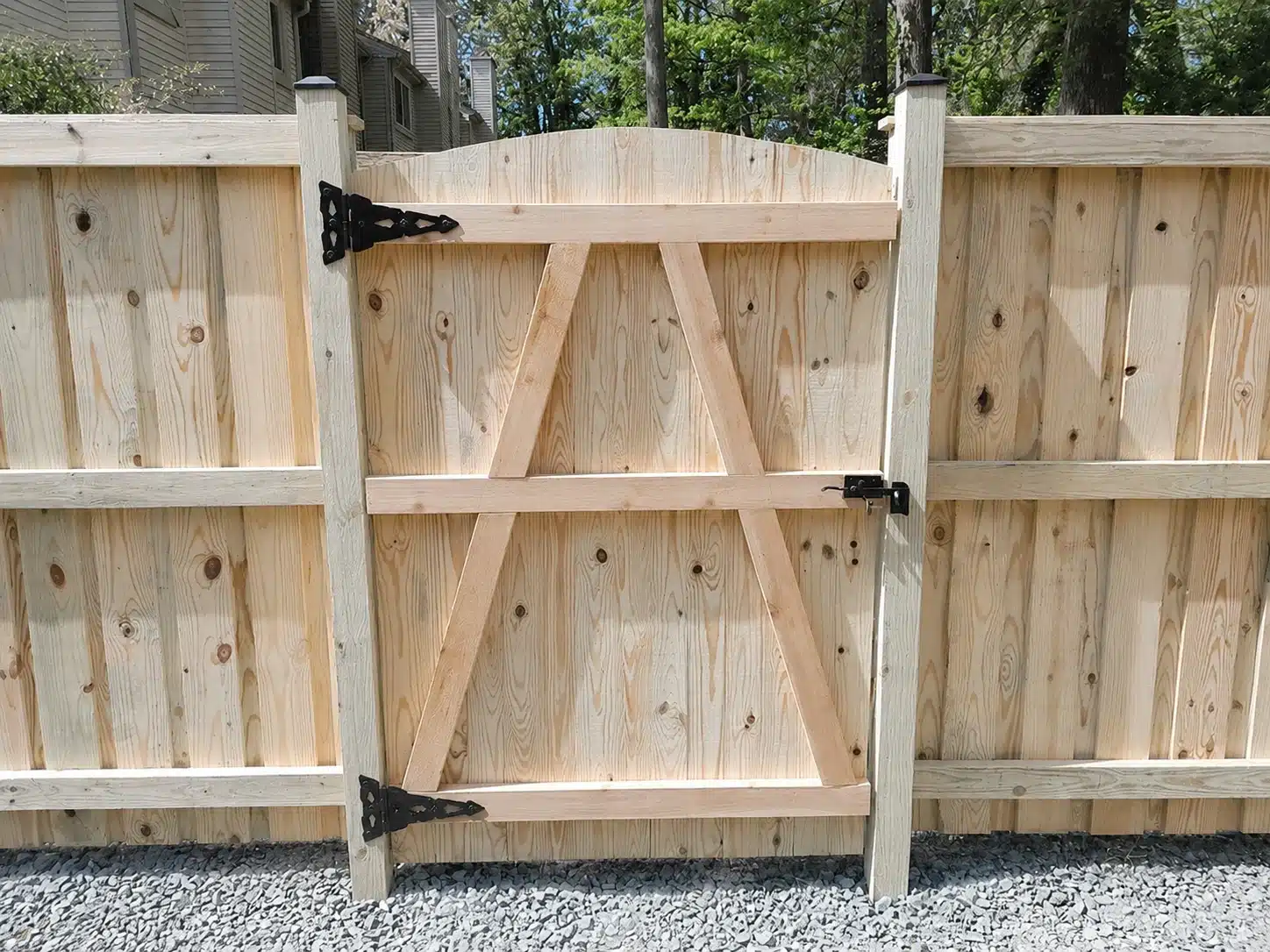
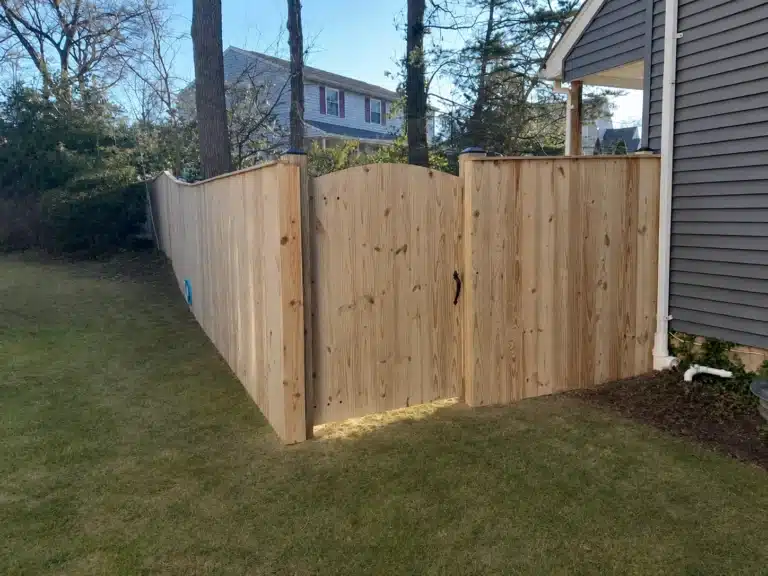
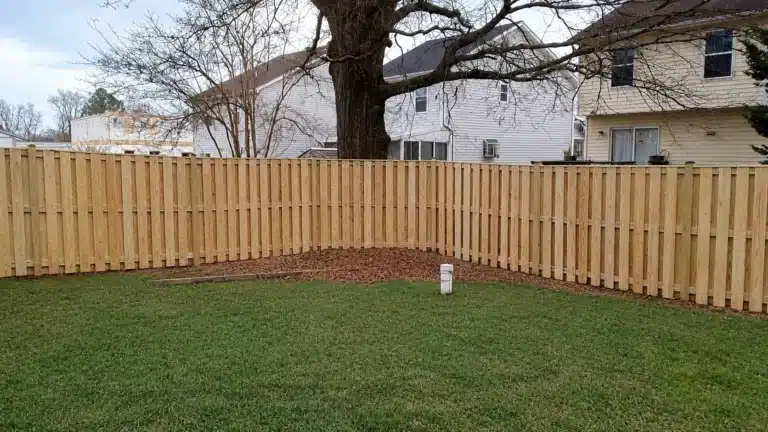
- Wood gates – Surface-mounted latches, padlocks, and self-closing hardware attach easily to wood. Skip magnetic locks unless you first add a metal mounting plate.
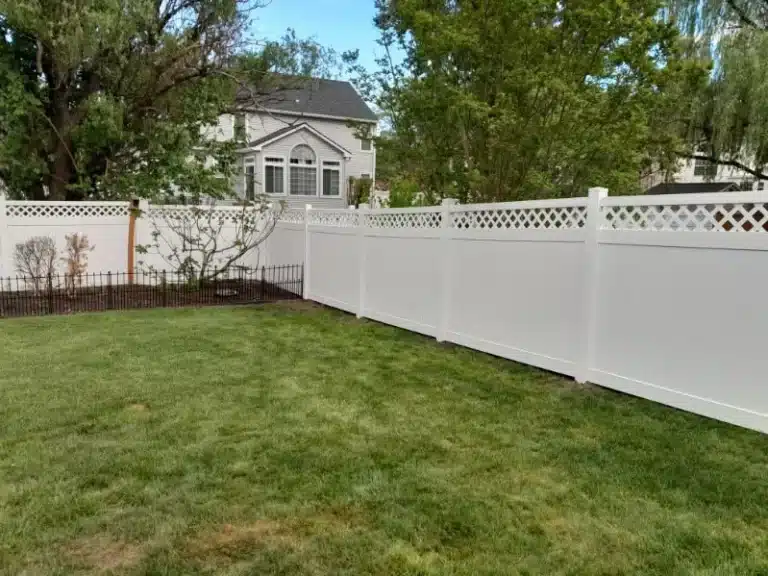
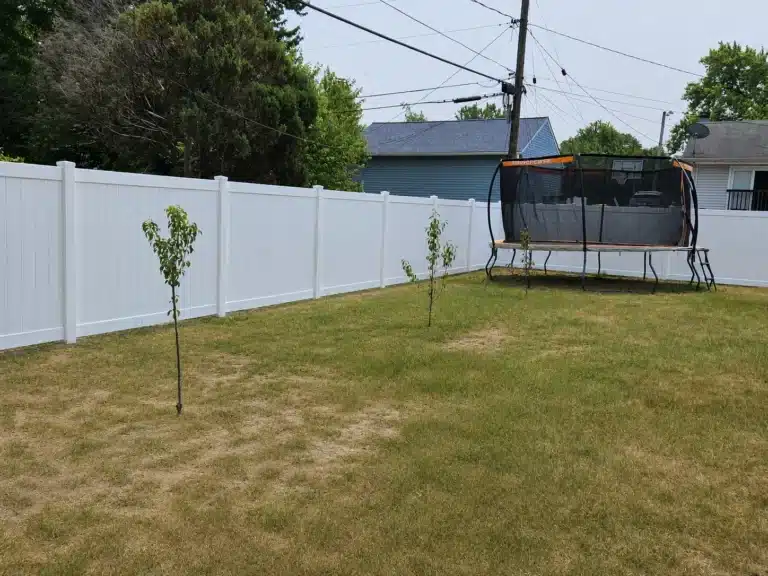
- Vinyl gates – Use hardware sized for vinyl post and gate thickness, and avoid over-tightening screws, which can crack the material. Padlocks and keyed locks work well when mounted through reinforced posts.
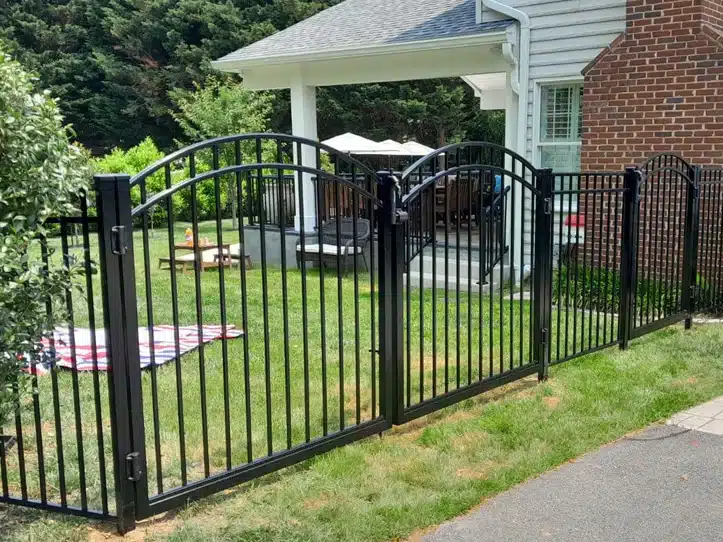
- Aluminum and steel (ornamental) gates – These hold up well with magnetic locks, keyed locks, and smart locks since the metal frame gives hardware a solid mounting surface.
- Chain link gates – A chain-and-padlock combination remains the standard. Keyed locks can also thread directly through the chain-link fabric and frame.
Fence Gate Lock Installation Tips
- Make sure the gate is plumb and swings freely before installing any lock — hardware installed on a sagging or misaligned gate will fail early.
- For pool or child-safety gates, mount the self-latching release so it isn’t easily reached from outside the barrier; most codes call for a minimum height around 54 inches above grade. Confirm exact specs before your final inspection.
- For electronic and automatic locks, plan for a weatherproof power source and confirm your gate operator can handle the added lock hardware before you buy.
- When adding hardware to vinyl or wood, pre-drill and use manufacturer-recommended screws to avoid cracking or splitting.
- Not sure which hardware fits your gate? Our team can walk you through options during a free estimate.
Why Won’t My Fence Gate Latch?
If you have a gate latch that isn’t latching properly, chances are the gate is misaligned. You may need to adjust the positioning of the latch or the gate to get everything to align correctly. Call All Around Fence to schedule a quote consult or learn more about our fence installation services.
Fence Gate Lock Maintenance Tips
- Lubricate metal latches, hinges, and locks twice a year with a silicone or dry lubricant — Maryland’s humidity accelerates rust on unprotected steel hardware.
- Wipe down and inspect magnetic lock contact plates and smart lock battery compartments for moisture or debris.
- Check that self-closing hinges still pull the gate fully shut and that the latch engages every time — a common failure point after the ground shifts seasonally.
- Replace batteries in smart locks proactively rather than waiting for a low-battery alert, especially before winter.
- Re-tighten all mounting hardware annually, since seasonal freeze-thaw cycles can loosen screws over time.
Fence Gate Security Best Practices
- Layer your security: a sturdy latch plus a keyed lock or padlock is harder to defeat than either alone.
- Keep sightlines clear near gates — dense landscaping right at a gate gives an intruder cover.
- If your gate secures a pool, confirm your setup meets pool barrier requirements (self-closing, self-latching gates that open away from the pool) before your final inspection.
- For commercial or rental properties, smart and automatic locks make it easy to manage access without rekeying every time a code needs to change.
- Have a fence professional inspect gate hardware annually — a lock is only as strong as the gate and posts it’s attached to.
Whether you’re upgrading a padlock or adding a fully automated gate operator, All Around Fence can help homeowners and businesses choose and install the right lock for their gate. Request a free estimate to get started.