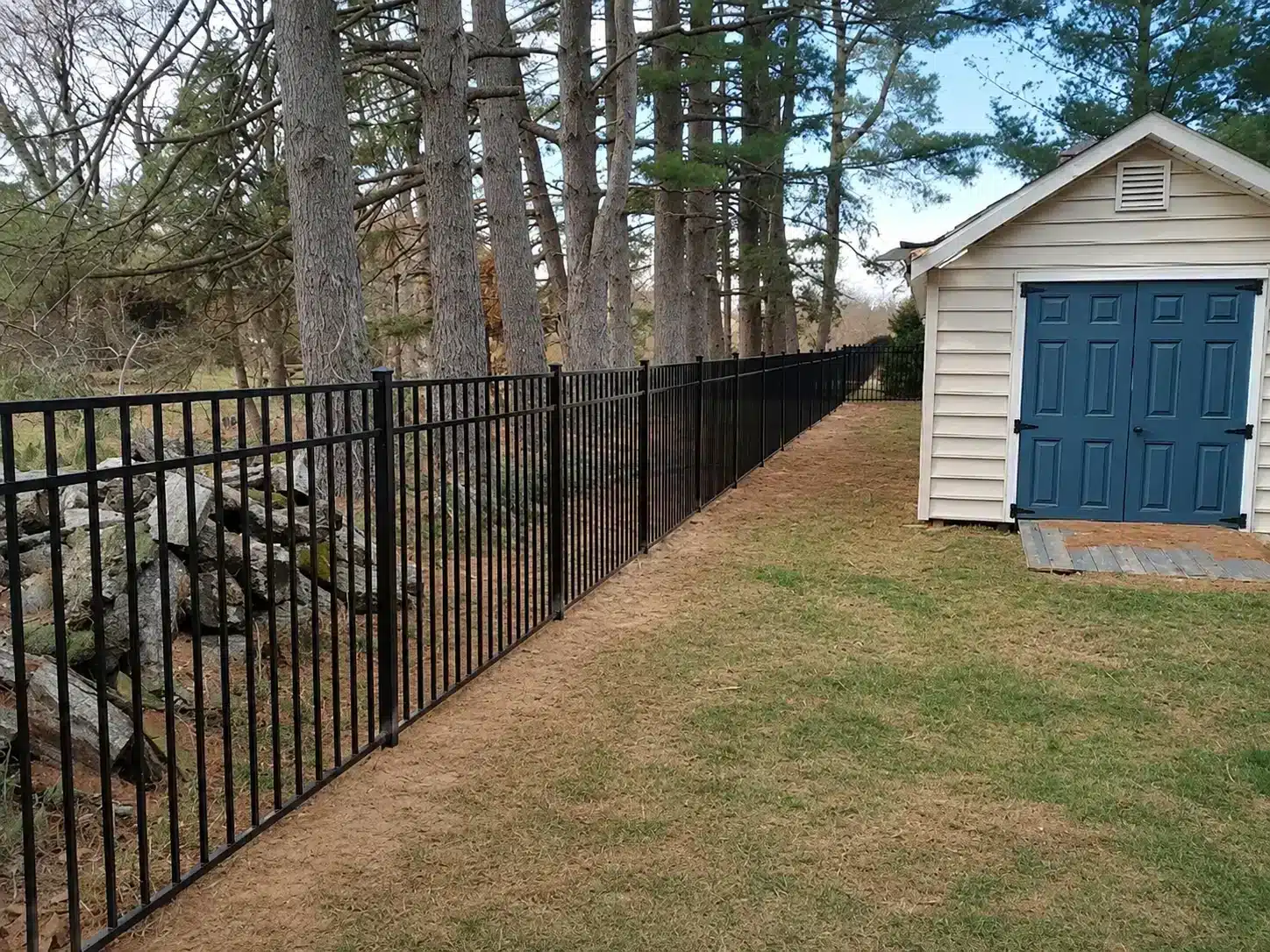
Steel fencing sits in a unique position for most homeowners. It is stronger than aluminum, more affordable than wrought iron, and built to last for decades. Still, many fence contractors either group it with aluminum or dismiss it as “industrial only.” Neither view is accurate.
This guide answers the three questions homeowners actually ask before calling a contractor. How long does steel fencing last? What does it cost? When is it the right choice for a residential property? We will also explain what a galvanized steel fence is, since that is where most confusion begins. In Anne Arundel County, Chesapeake humidity makes these details more important than in drier parts of the country.
What Steel Fencing Actually Is — Galvanized, Powder-Coated,
and Built to Weld
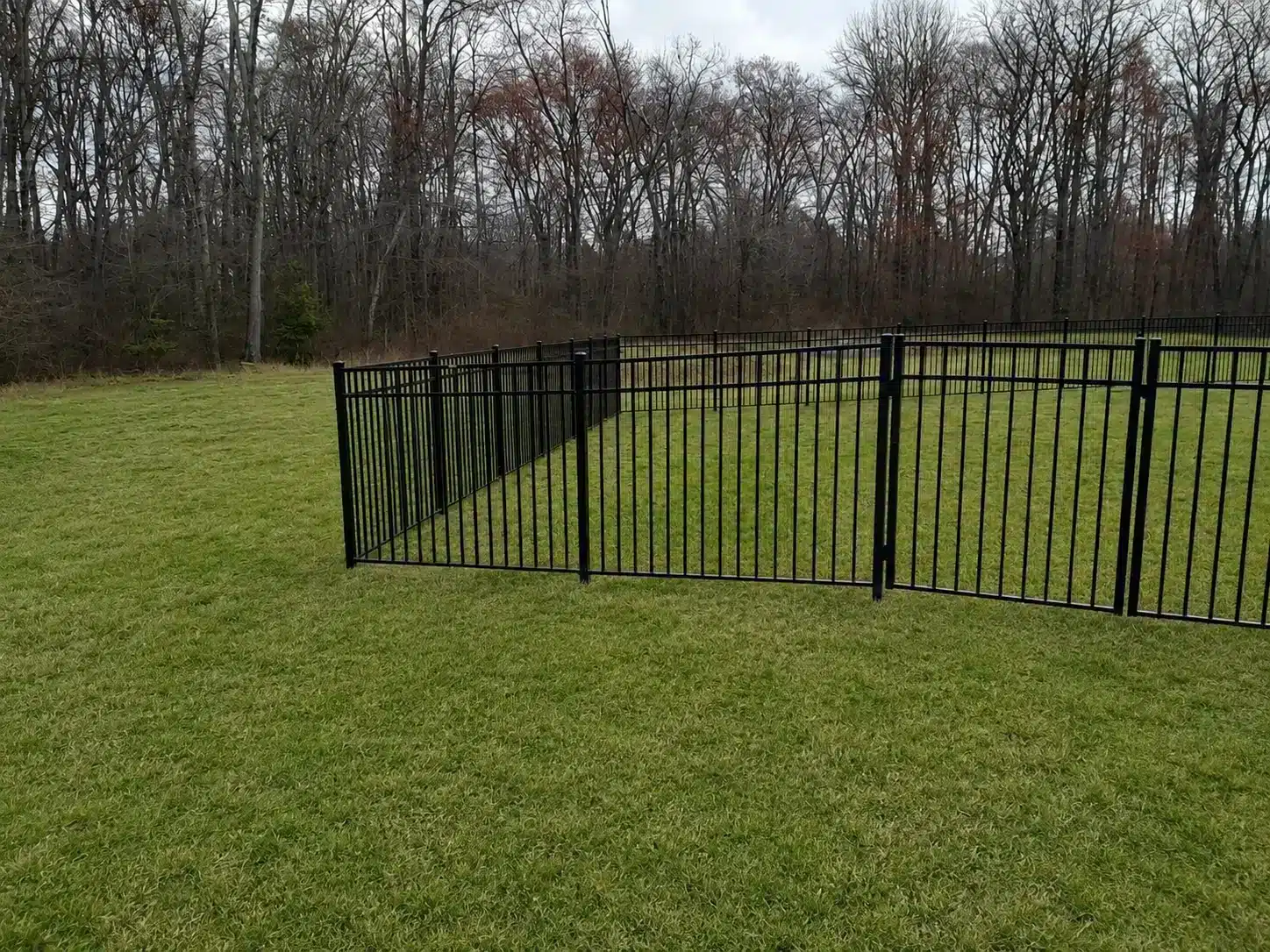
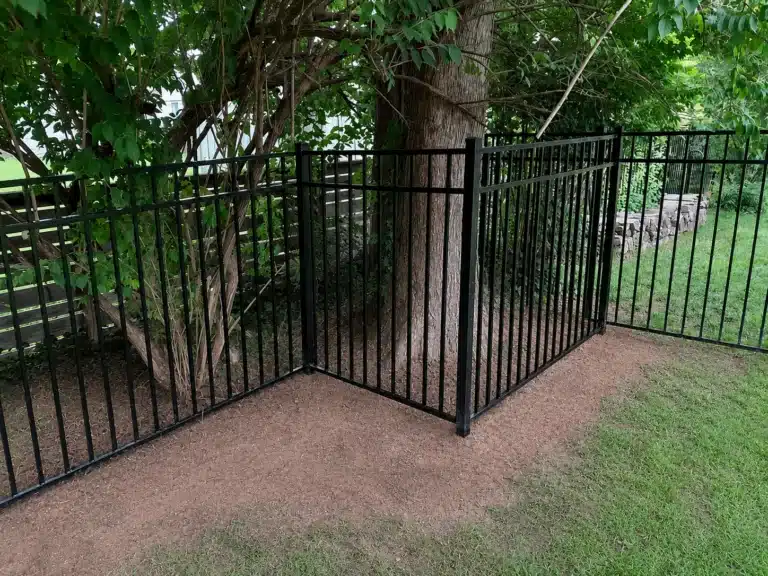
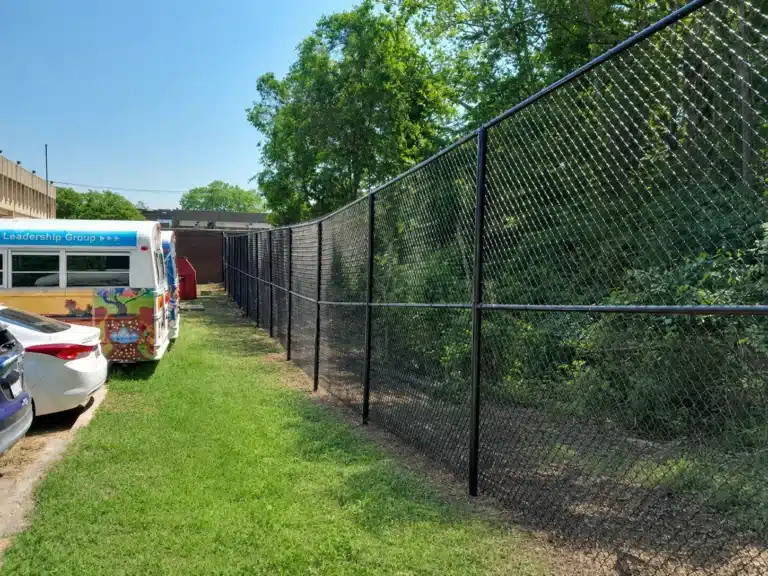
Steel fencing typically comes in two forms. The first is welded steel, which includes ornamental picket panels made from steel tubing. The second is woven galvanized wire, commonly known as chain link. Both begin as raw steel, which would rust within months if left unprotected. That protection comes from two systems that are often used together.
The first is hot-dip galvanizing. Steel is submerged in molten zinc, which bonds to the surface. If the coating is scratched, the zinc sacrifices itself to protect the steel underneath. This process is what gives a galvanized steel fence its durability. The second layer, used on ornamental panels, is powder coating. A dry polymer powder is electrostatically applied and then baked into a hard, durable finish. For residential applications, a powder-coated steel fence with galvanizing underneath is the standard to look for.
Construction is what separates steel from aluminum. Aluminum panels are usually assembled with screws and can be racked to follow slopes. Steel fence panels are welded into rigid sections, which makes them stronger but less flexible on uneven ground. Steel is also different from wrought iron. Wrought iron is forged from a different alloy, shaped by hand, and typically costs three to four times more. For most homeowners who want the wrought-iron look, steel delivers a similar appearance at a much lower cost.
How Long Does a Steel Fence Last in the Real World
A properly coated and installed steel fence typically lasts between 30 and 50 years. That is the realistic range. The lower end reflects situations in which coatings fail early, often due to constant contact with wet mulch or repeated impacts from lawn equipment. The higher end reflects installations that are clean and maintained with basic yearly inspections.
In most cases, the steel itself is not the first component to fail. The weak points are the coating at ground contact areas and the hardware, such as hinges, latches, and self-tapping screws, where water tends to collect. Once the coating breaks down, rust can spread underneath it. An ornamental steel fence on a dry inland property may last 45 years without needing attention. The same fence located close to the water may require maintenance around year 20.
This difference matters in Anne Arundel County. The area is rated “Severe” for weathering in the county’s commercial building code, which reflects the impact of freeze-thaw cycles and Chesapeake humidity. Steel performs well in these conditions when properly coated. Aluminum also performs well and does not rust, but it is more prone to denting and does not offer the same strength. For properties within a mile of the water, aluminum is worth considering for its corrosion resistance. For most other properties, steel provides greater durability and impact resistance.
What Steel Fencing Costs (and What Moves the Price)
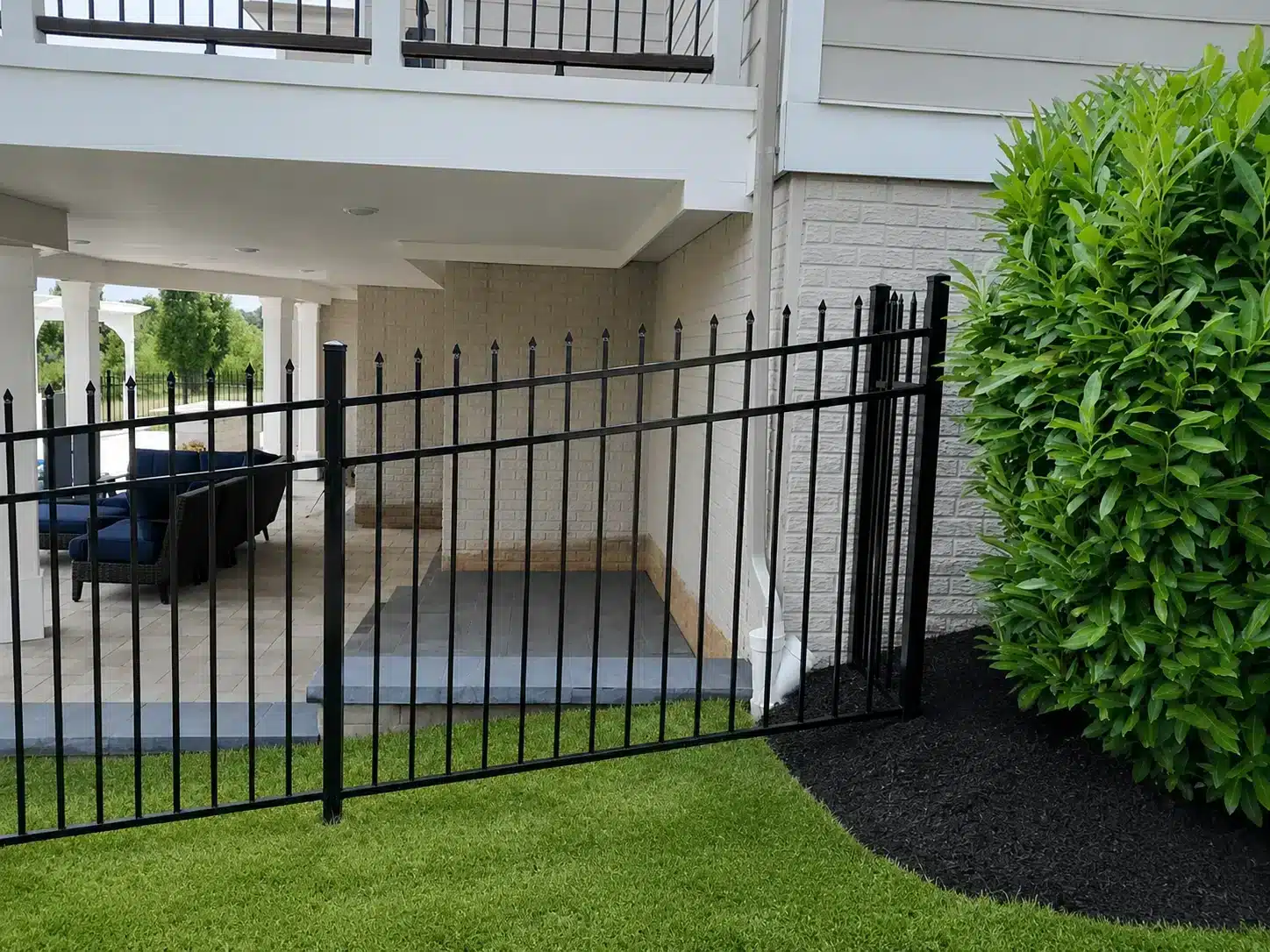
Published industry ranges place the installed steel fence cost at approximately $25 to $45 per linear foot for ornamental panels, and $10 to $20 per linear foot for chain-link steel. These are national averages. Actual steel fence installation pricing in Anne Arundel County depends on site-specific conditions that can only be evaluated during an on-site visit.
Five factors have the biggest impact on price:
- Panel style. Basic flat-top pickets cost less than spear-top or double-picket ornamental designs.
- Height. A 4-foot fence requires less material and shorter posts than a 6-foot fence, and the increase in cost is not linear.
- Gate count. Each gate adds hardware, hinges, and labor. Automated gates increase costs significantly.
- Terrain. Sloped, rocky, or root-heavy soil slows installation. Flat, clear lots reduce labor time.
- Coating grade. Standard galvanizing costs less than systems that include galvanizing, powder coating, and custom color matching.
There is one local factor that also affects cost. The frost line here is 30 inches, which means posts must be set below that depth in concrete. This requires deeper holes, more concrete, and additional labor compared to warmer regions. It is not the largest cost factor, but it is significant.
We do not publish pricing for steel fencing on our website because every project is unique. For an accurate estimate, we visit your property, walk the layout with you, and provide a written quote on site.
Where Steel Fencing Wins — and Where Aluminum or Vinyl Is a Better Fit
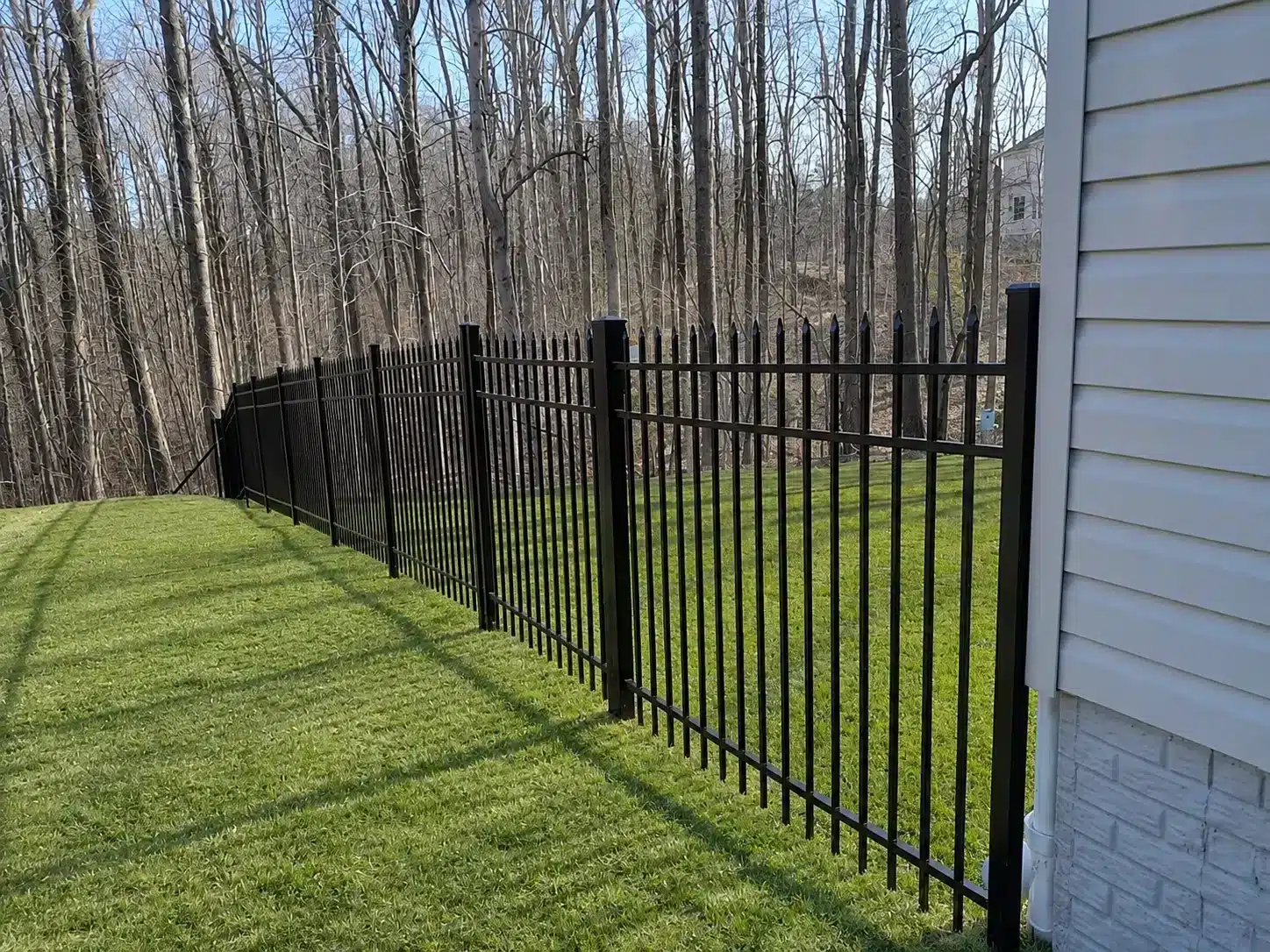
Steel is not the right choice for every property. It performs best in specific applications.
Steel is the best fit for:
- Security perimeters. It offers the highest strength among residential options. A steel security fence with spear-top pickets acts as a true deterrent.
- Pool enclosures. Pool code requires barriers that resist failure and flexing. Steel meets these requirements with ease.
- Commercial and industrial properties. Its durability and impact resistance justify the higher upfront cost.
- Front-yard ornamental borders. It delivers a wrought-iron look at a fraction of the cost.
Aluminum is a better fit when you want a similar look with no risk of rust, especially for properties close to the water. It also performs better on sloped terrain because it can rack. The steel vs aluminum fence decision usually comes down to whether strength or corrosion resistance matters more.
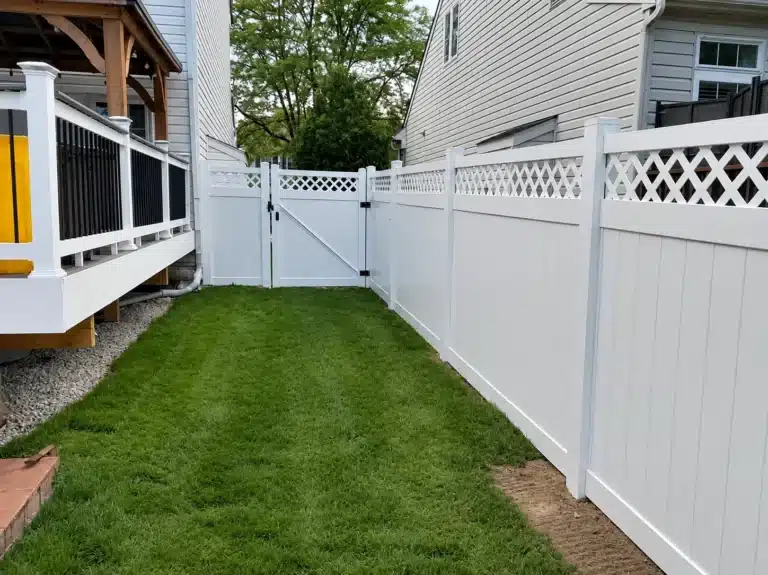
Vinyl is the better option when privacy is the priority. Steel fencing is open by design and does not block visibility.
Wrought iron is the right choice when you are working with a historic property where custom design justifies the higher cost.
| Feature | Steel | Aluminum | Wrought Iron |
| Strength | Very high | Moderate | Very high |
| Corrosion resistance | Good with coating | Excellent | Poor without maintenance |
| Cost | Moderate | Lower | Highest |
| Best for | Security, pools, commercial | Coastal, sloped lots | Historic, custom |
For most homes in Anne Arundel County, the decision comes down to steel or aluminum. Vinyl serves a different purpose altogether.
Is Steel Fencing Right for Your Anne Arundel County Property?
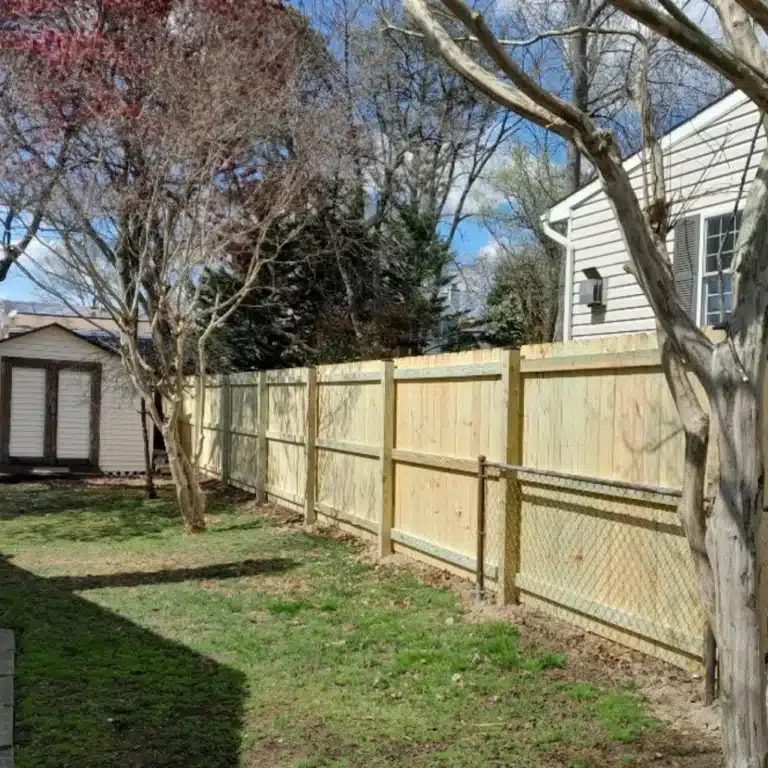
Three local conditions make steel fencing a strong choice in this area. First, the county is rated Moderate to Heavy for termite activity according to the residential building code. Termites damage wood, but they do not affect steel. Second, the fine-loamy estuarine soils common in the region retain moisture in the spring. This can cause wood posts to deteriorate over time, while properly coated steel posts remain unaffected. Third, the 30-inch frost line requires materials that remain stable through freeze-thaw cycles. Steel maintains its structural integrity under these conditions.
There are two factors to consider before moving forward. Properties in Pasadena, Riviera Beach, and Lake Shore that are close to the water experience faster coating wear, so plan for maintenance every 10 to 15 years. In addition, fences over 6 feet may require a permit, so it is important to account for permitting timelines. Before excavation begins, we submit a Miss Utility ticket. Maryland law requires at least three business days’ notice before digging, and we handle that process for you.
If you are comparing us with another steel fence contractor, ask two questions. Are the posts fully galvanized or simply painted? Who will be on site during installation? On our projects, an owner is present at both the start and the finish. You will work directly with Jim or Jeremy, not a project manager you have never met.
We will visit your property, review your layout, and provide a written quote. Call us at (443) 838-9374 or request an estimate online.
All Around Fence & Decks
8130 Ventnor Road, Pasadena, MD 21122
(443) 838-9374
MHIC #97820 · Licensed & Insured