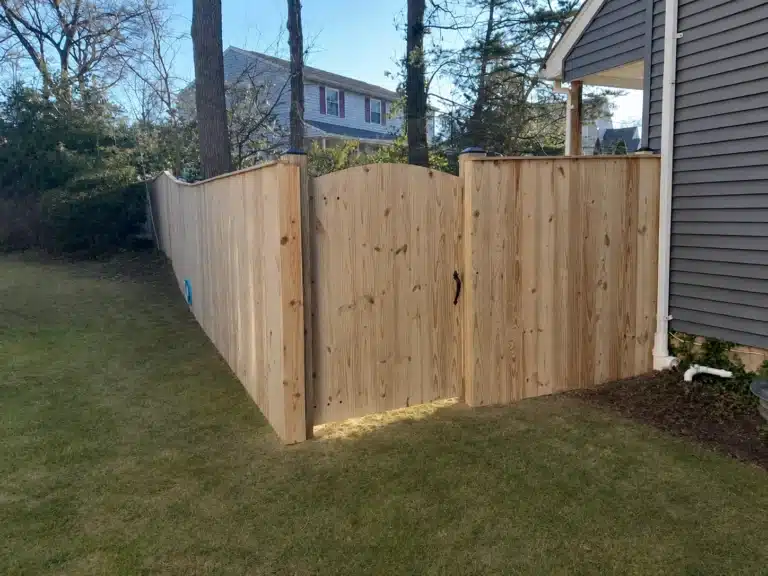
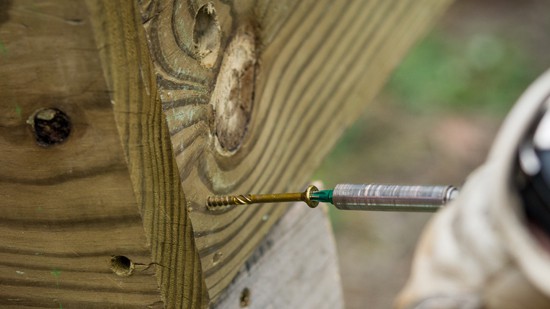
Pressure-treated wood is chemically treated for outside use. Even though trees grow outside, wood cut from those trees can quickly rot and warp without sufficient protection. Pressure-treated wood can be used for fencing, but it is not ideal for all situations. Let’s explore the pros and cons of pressure-treated wood fences.
PRO – Designed for Outdoor Exposure
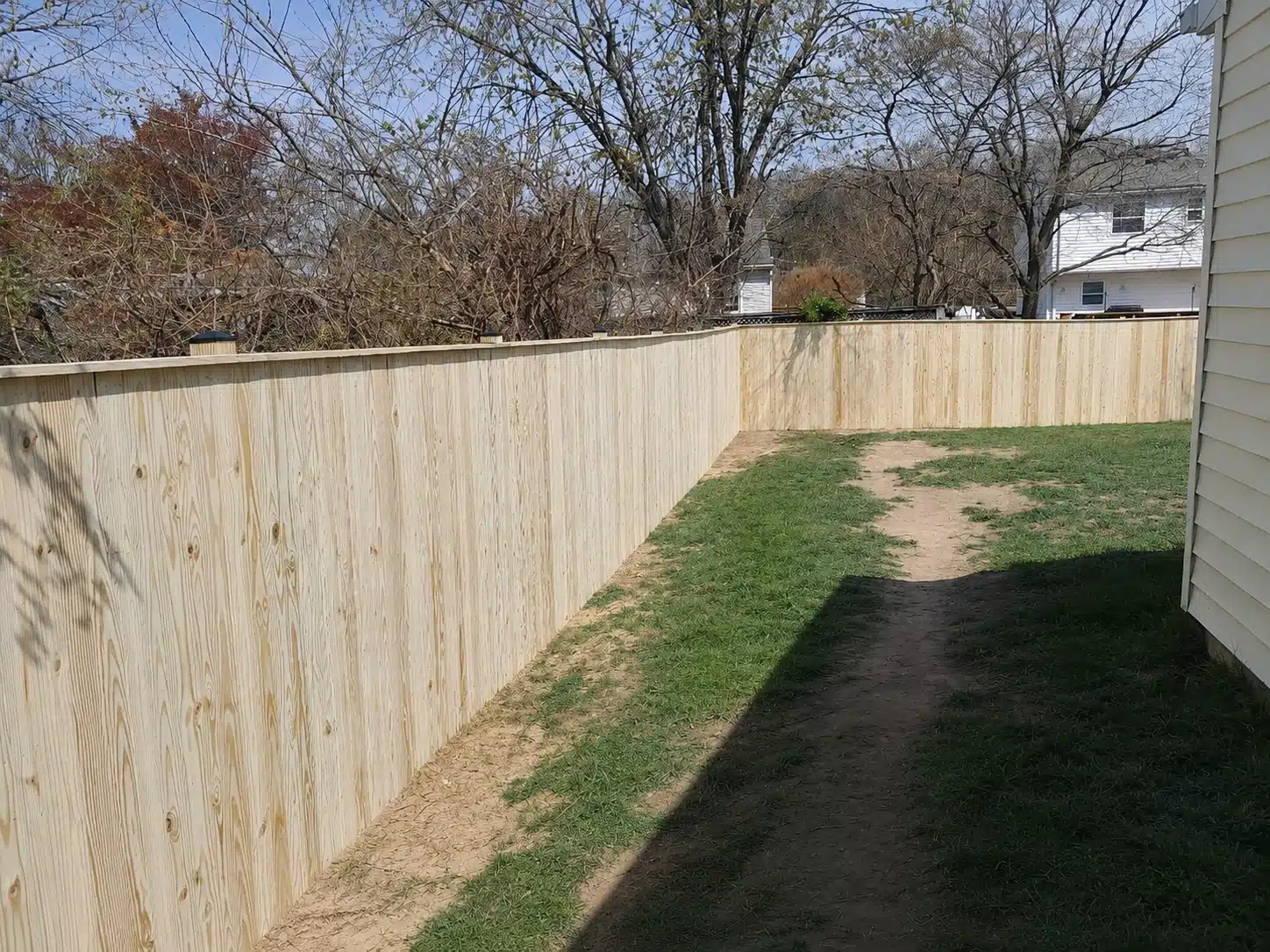
The whole purpose of the treatment process is to fortify wood for outdoor use. This is why pressure-treated wood is recommended for outdoor construction projects. It can stand up to temperature changes, UV rays, and much more, but that doesn’t make it invincible. It simply means that the wood is stronger after treatment than it was before.
How Pressure-Treated Wood Holds Up in Pasadena and Anne Arundel County
Anne Arundel County is rated “Severe” for weathering and “Moderate to Heavy” for termite activity, with a 30-inch frost line and an air-freezing index above 1,500. That’s a demanding combination for outdoor lumber — humidity and freeze-thaw cycling in one season, dry cold in the next.
Pressure-treated southern yellow pine is built for exactly this. The copper-based preservative (ACQ, CA, or MCA) protects against fungal decay and helps deter termite damage, while the treated wood stays stable through the seasonal swings. With proper installation and maintenance, a pressure-treated fence typically lasts 15 to 20 years in this climate.
That said, treatment reduces termite risk, but it doesn’t eliminate it. Even treated wood can be damaged if the protective layer is compromised or the fence isn’t maintained. Keep the fence line clear of leaf piles and debris, since they’re a common entry point for termites and other pests, and inspect periodically for warning signs: small holes in pickets or posts, mud tubes along the base, sawdust near the fence line, or wood that feels soft or crumbles under pressure. Catching these early usually means a simple repair rather than a full section replacement — if you spot any, a pest control company should confirm the issue before repair work begins.
One more local note: new pressure-treated wood often has a green tint from the preservative. That fades naturally within 3 to 6 months as the wood dries. Plan to wait 6 to 12 months before the first stain or seal, then restain every 3 to 5 years after that to keep the wood protected through Pasadena’s weather.
CON – Pressure-Treated Wood Requires Sealing and/or Staining
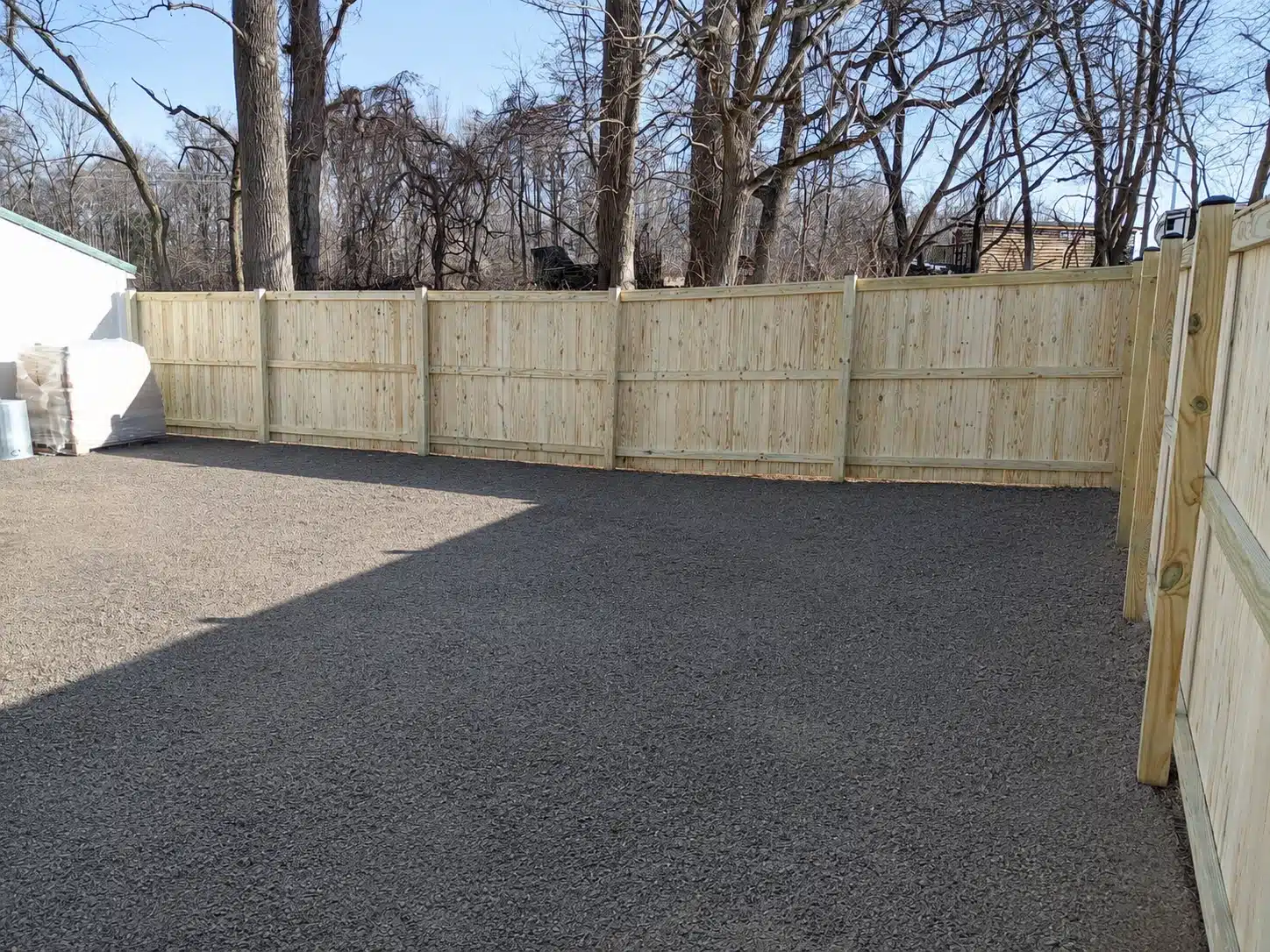
One of the biggest drawbacks to wood fencing compared to vinyl and other manufactured materials is that wood requires staining every 3-5 years. If you do not stain or seal your pressure treated wood fence, it will eventually gray and fall apart. Keep this in mind when comparing fence costs.
PRO – Durable and Dependable
Pressure treated wood is durable, especially if it is properly maintained. Staining can significantly increase the life of your fence, so you can count on it for decades to come. A well-built wood fence can also stand up to jumping dogs, climbing kids, and other abuses. It will not dent like chain link after moderate impact.
Board-on-Board: The Most Common Pressure-Treated Style
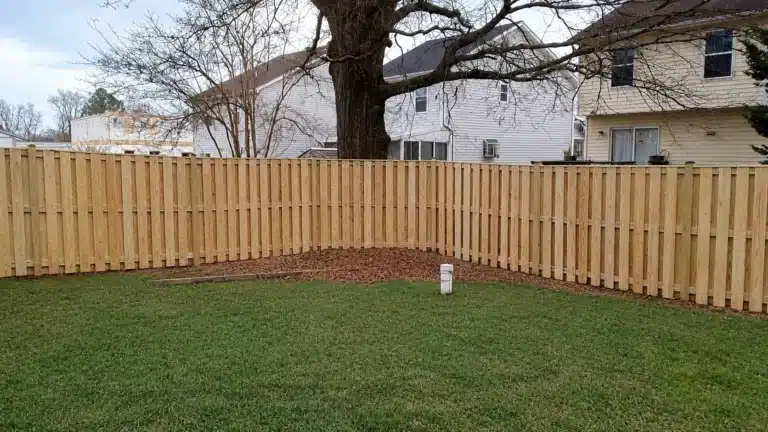
Board-on-board is the pressure-treated style we build most often for Pasadena homeowners. Overlapping pickets close every gap in the fence line, so there’s no visible sightline from either side. It gives full privacy without the flat, single-sided look of a standard stockade fence, which is why it’s become the default choice for backyards where privacy is the main goal.
CON – Potential to Warp and Rot
Once again, maintenance is crucial for protecting wood. If your wood is not stained, it can warp and rot. This may not happen right away, but eventually the chemicals protecting the wood will dry up and lose their effectiveness.
PRO – Affordable Upfront Costs
If you’re purely looking at installation pricing, wood is one of the most affordable privacy fence materials available. Maintenance costs add up over time, but this is an option to secure your property on a budget. If you’re looking to sell your home in the future or convert it to a rental wood fencing may be the perfect option for you.
CON – Vinyl Fencing May Cost Less over Time
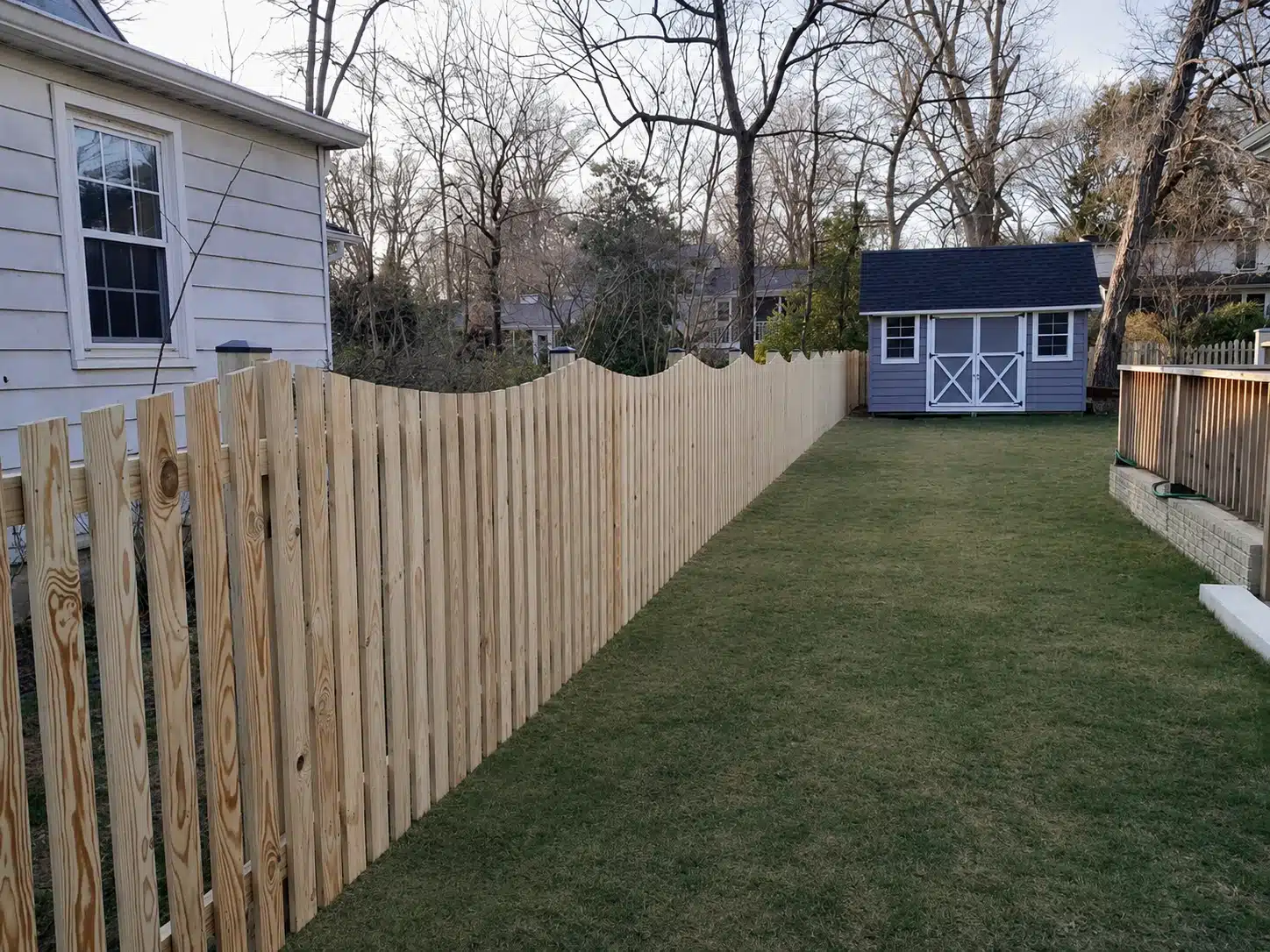
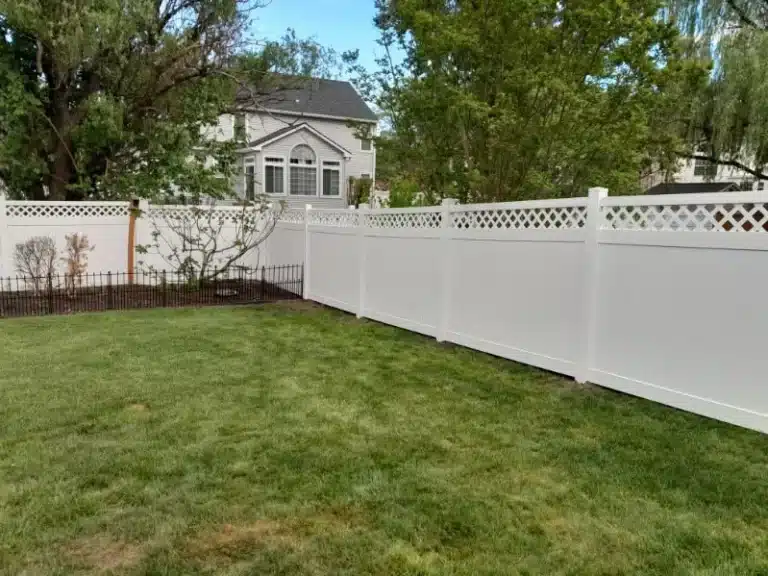
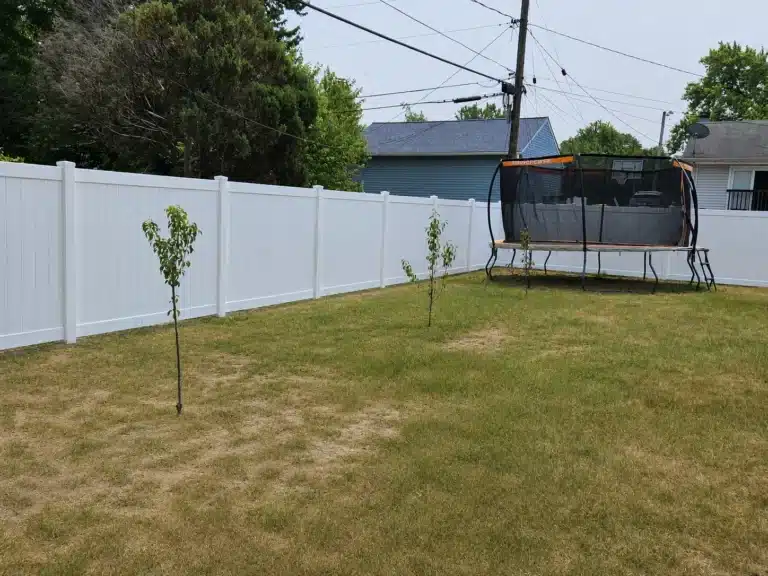
If you look at the cost over time, wood fencing is more expensive than vinyl because of maintenance requirements. You may pay more for a vinyl fence upfront, but you’ll save money in the long run. All you need to do to maintain a vinyl fence is wash it periodically with soap and water. Vinyl comes in a variety of colors and styles, so you can choose the perfect fit for your property.
Should I Get a Pressure Treated Wood Fence?
After weighing the pros and cons of pressure treated wood fencing, the choice mostly comes down to budget vs. maintenance. If you’re already on a tight budget and want a reliable privacy fence, wood might be exactly what you’re looking for. If you want to maximize your return on investment and keep maintenance to an absolute minimum, a material like vinyl might be a better option.
If a pressure-treated wood fence sounds like the right fit, our pressure-treated wood fence installation page covers the styles, materials, and installation details specific to Pasadena and Anne Arundel County. The experts here at All Around Fence would love to help you select the right fencing material. Give us a call at (443) 838-9374 to schedule a free fence estimate.