


MHIC #97820
MHIC #97820

Wood Fence Maintenance in Maryland: How to Get 20+ Years Out of Your Fence

Get Your Free Estimate Today
Why Us

Fence problems in Maryland almost always start at the same place: the posts. Not the pickets. Not the rails.

In Anne Arundel County, clay-heavy soil holds moisture around the base of every post, while winter brings 30 to 50 freeze-thaw cycles that constantly shift the ground. That combination puts steady stress on your fence from below. Without consistent maintenance, a wood fence doesn’t just weather over time — it starts to heave, rot at the base, and fail sooner than most homeowners expect.

The good news is that getting 20+ years out of a wood fence isn’t complicated. But in Maryland’s climate, it requires consistency.

All Around Fence & Decks serves Pasadena, Glen Burnie, Severn, and surrounding Anne Arundel County communities from 8130 Ventnor Road in Pasadena. If you have questions about your fence or want a professional opinion, call (443) 838-9374.
How Long Does a Pressure-Treated Fence Last in Maryland?

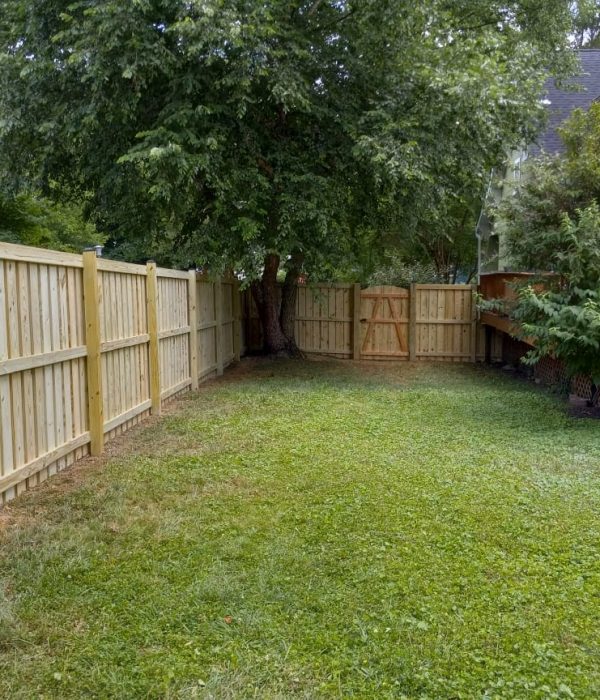
Nationally, a well-maintained pressure-treated wood fence lasts 15 to 20 years. Cedar runs in the same range, with well-maintained cedar lasting up to 25 years with the right care. Maryland’s conditions are harder on wood than most of the country. Pasadena and the surrounding Anne Arundel County area receive roughly 41 inches of rain annually, spread fairly evenly throughout the year rather than concentrated in one season. Add a muggy stretch that runs from late May through late September, driven by the bay’s humidity, and you have sustained moisture exposure that inland climates don’t deal with. A fence that would survive on a two-year seal cycle in Pennsylvania might need attention every 18 months here. Pressure-treated pine is the standard for good reason. The preservative treatment (ACQ or copper-based compounds are most common in lumber sold today) resists the fungal decay and insect activity that humidity accelerates. Untreated pine in a high-humidity environment can show serious rot at the post bases in five to eight years. Treated wood holds it off significantly longer — provided the maintenance schedule doesn’t slip. Cedar is a step up from treated pine in natural rot resistance. Its oils repel moisture by nature. But those oils deplete over time, and in Maryland’s bay-influenced summers, cedar still needs to be sealed every two to three years to stay ahead of the moisture. It’s a better material, not a maintenance-free one. For a full comparison of how wood stacks up against vinyl and aluminum on durability and upkeep, the wood fence pros and cons guide covers those tradeoffs in more detail.

What's Actually Damaging Your Fence
Around the Bay

Understanding how fences fail in this area helps you focus maintenance efforts where they matter most.

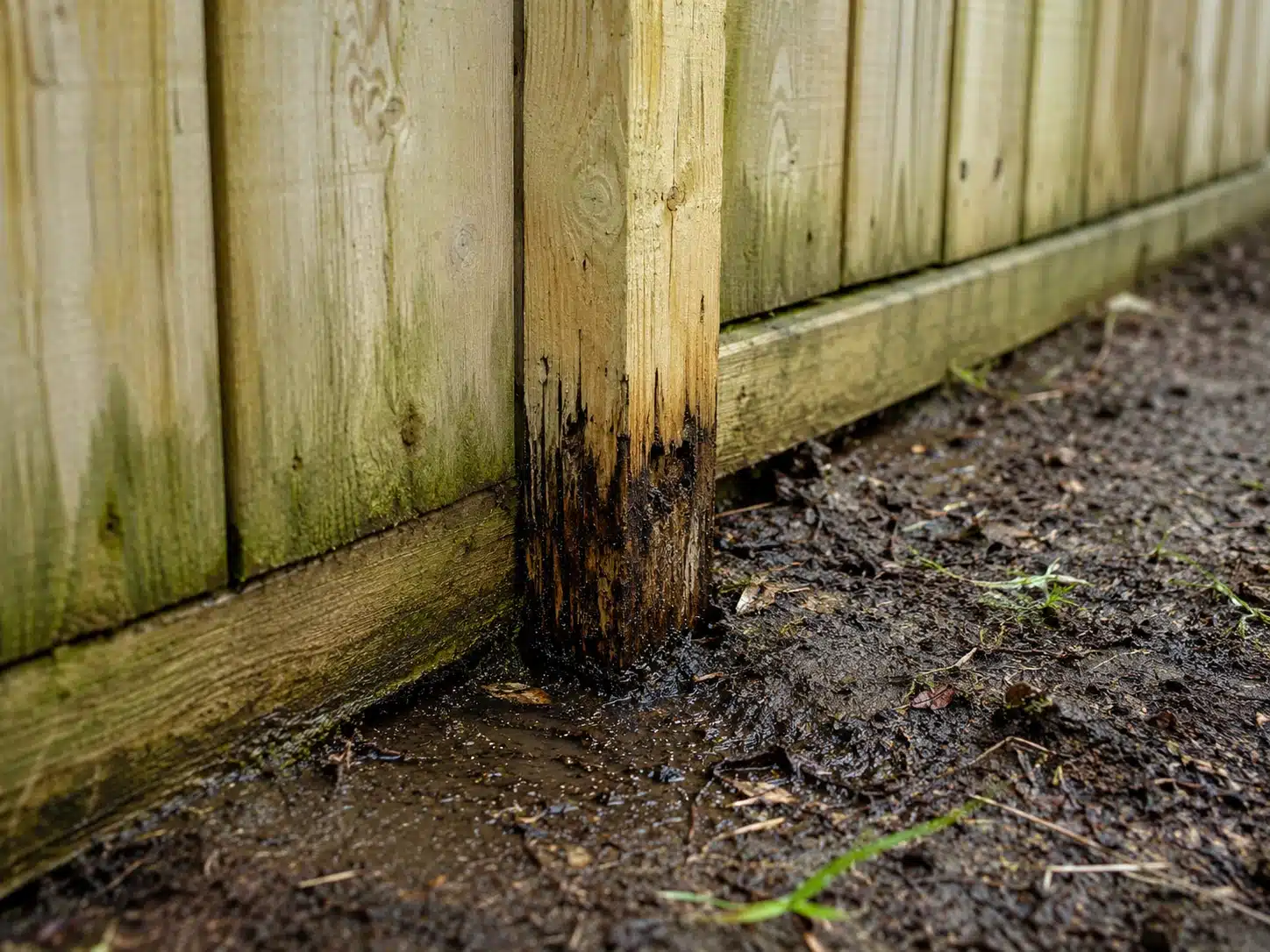
Close-up of a wooden fence post rotting at ground level in Pasadena, MD due to prolonged moisture exposure.

Post Rot at Ground Level

The transition point where a post moves from buried to exposed is where moisture tends to collect. Water wicks up from the soil, wood expands and contracts through temperature changes, and fungi thrive in consistently damp conditions. In Anne Arundel County’s clay-heavy soil, drainage is slower, so water sits against the base of the post instead of dispersing quickly. Prolonged moisture exposure is one of the biggest reasons wood fences fail prematurely in this region.

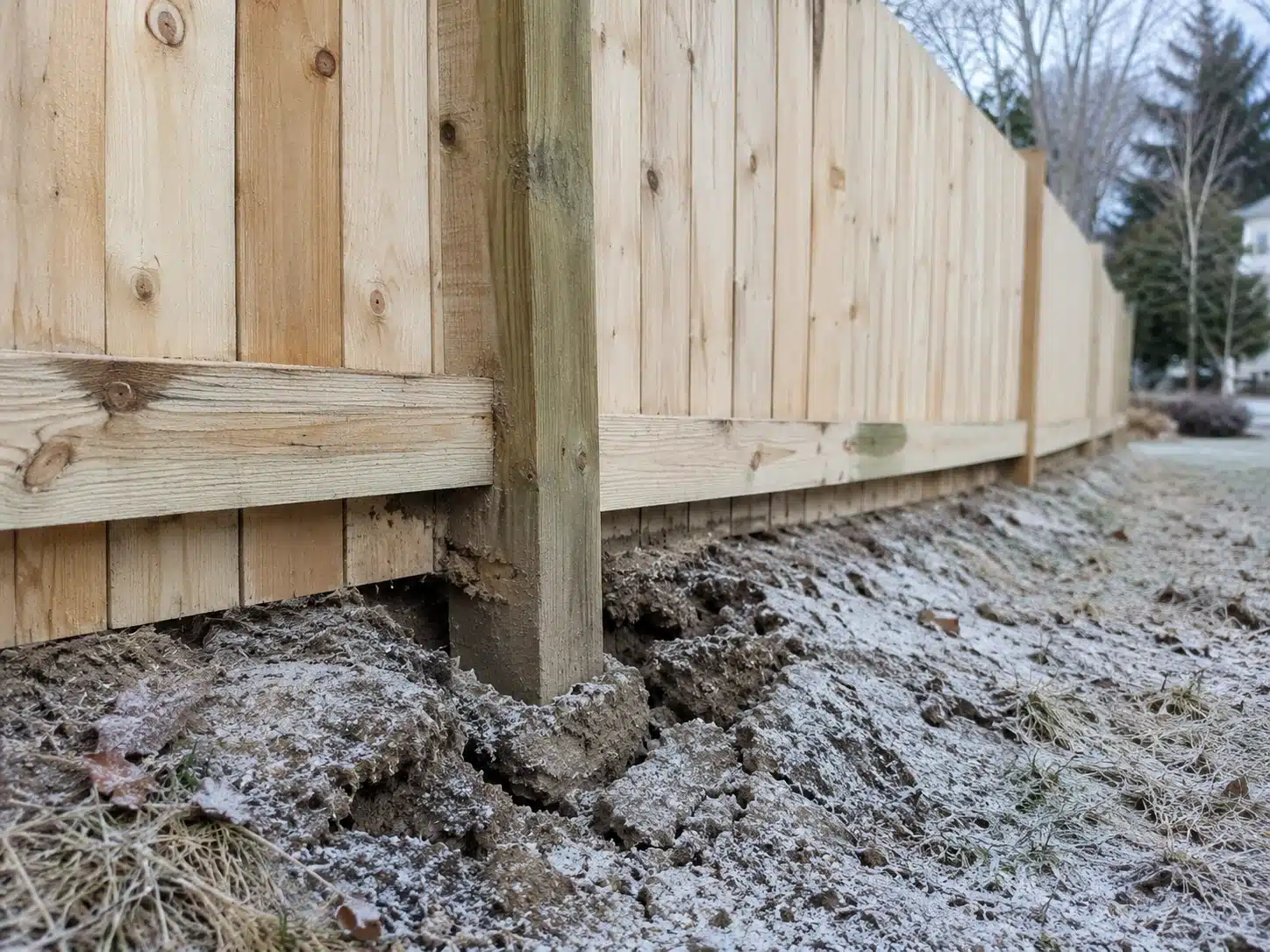
Wood fence post in Maryland with frozen, shifting soil at the base illustrating frost heave damage.

Frost Heave

Maryland’s frost line sits about 30 inches below grade. Posts installed above that depth, or without proper concrete footings, can shift as the ground freezes and thaws during winter. Even slight movement starts to loosen fasteners over time, eventually leading to sagging rails and uneven fence lines. Posts installed below the frost line with concrete footings stay far more stable season after season.

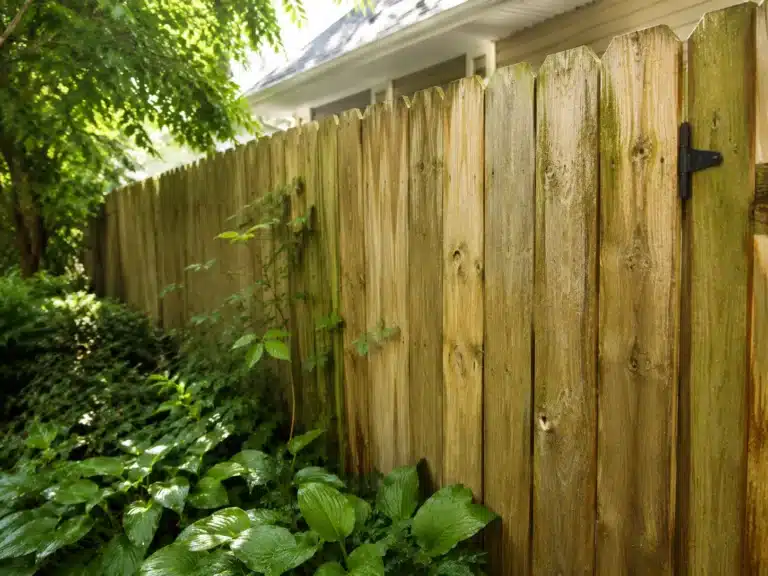
Wood fence in a Maryland backyard showing moisture exposure during humid summer conditions.

Long, Humid Summers

Months of elevated humidity are hard on any wood surface that isn’t properly sealed. Moisture seeps into small cracks, raises the grain, and gradually turns minor splits into larger structural issues. That’s why maintenance timing matters. Sealing before the humid season begins helps block moisture intrusion more effectively than waiting until fall, after summer exposure has already taken its toll.

How to Maintain a Wood Fence:
Annual Schedule for Anne Arundel County

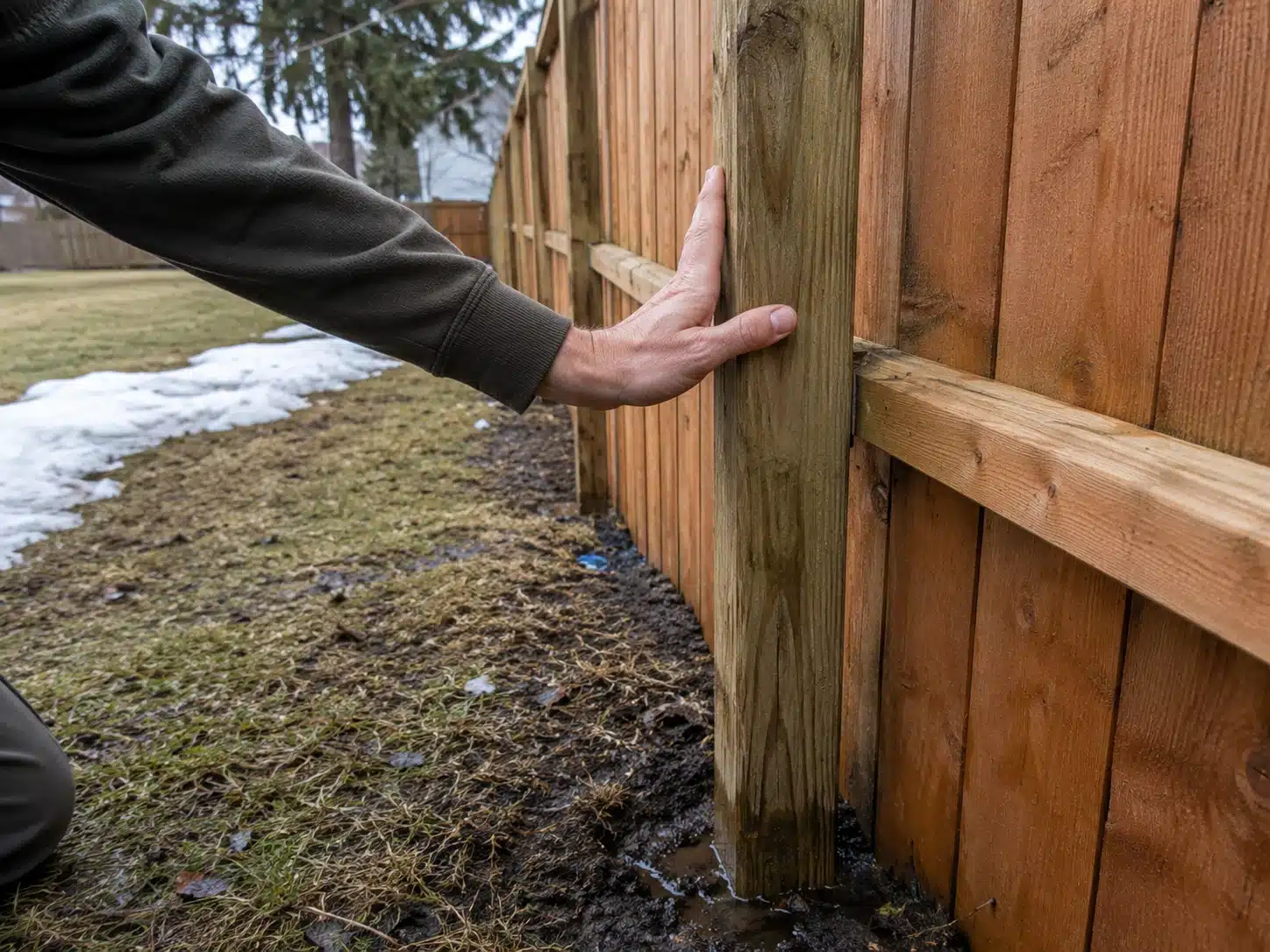
Hand pushing on a wooden fence post during a spring fence inspection in Pasadena, MD to check stability.

Every Spring, After the Last Freeze-Thaw Cycle:

  • Walk the full fence line and push on each post. Any movement means the footing is compromised and needs attention before spring ground softening makes it worse.
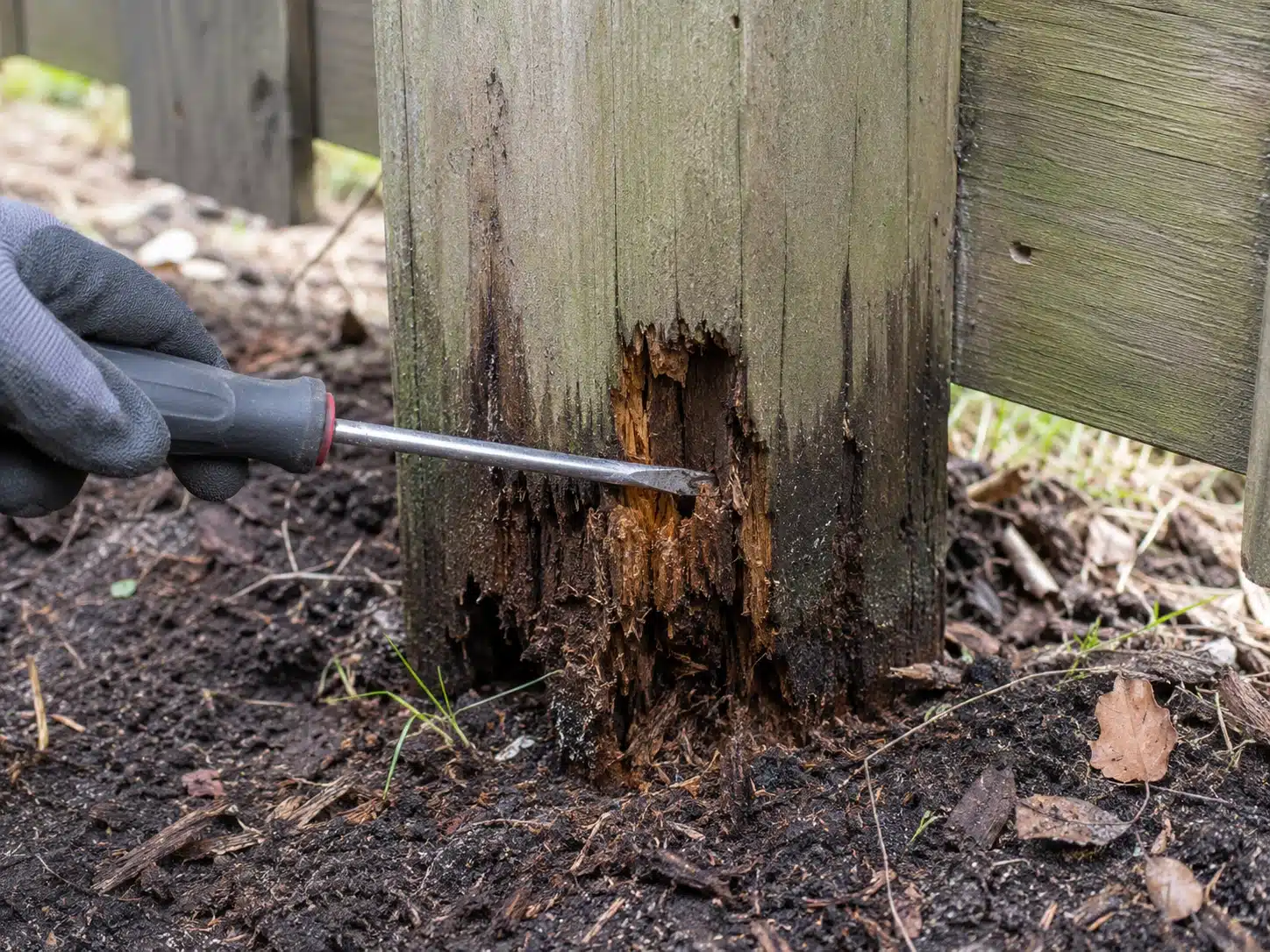
  • Check post bases for softwood. Press a screwdriver into the wood at ground level — if it sinks more than a quarter inch without real pressure, the post is actively rotting.
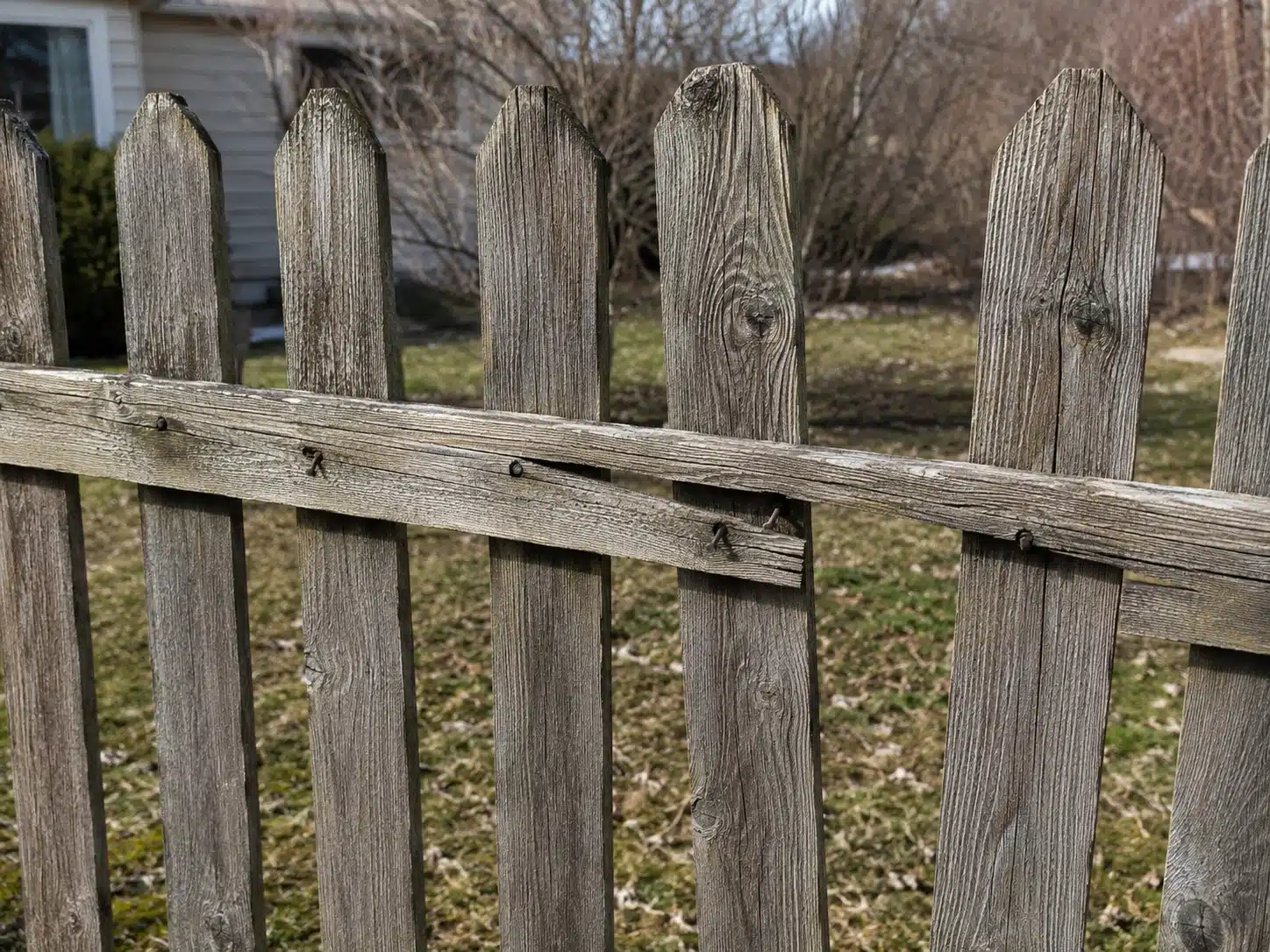
  • Look for raised or separated pickets and loose rails. Winter cycling pulls fasteners loose. Drive in replacements before the movement progresses.
Close-up of a screwdriver pressed into a rotting wooden fence post in Pasadena, MD to check for softwood damage.

Every One to Two Years:

  • Clean the fence surface with a low-pressure wash or a wood-specific cleaner. You’re removing mildew, algae, and the gray weathered surface layer that blocks sealer penetration — not just surface dirt.
  • After drying (48 to 72 hours minimum; Maryland humidity slows dry time), apply a penetrating sealer or semi-transparent stain. In a humid climate, every two years is the right interval for wood fence maintenance — not the three to four years some guides suggest for drier regions.
  • Check gate hardware. Hinges and latches corrode faster in humid conditions. Tighten, lubricate, or replace before a failing latch becomes a broken gate.
Weathered wood fence with separated pickets and a loose rail in Pasadena, MD, showing damage that should be repaired during spring maintenance.

Every Five Years or as Needed:

  • Address post tops. Flat-cut posts hold standing water and rot from above. Post caps redirect rain and add years to the top of every post.
  • Treat any exposed end-grain with end-grain sealer — particularly on repaired sections or any post that’s been trimmed down.
Why Us

When to Repair and When to Replace

Most wood fences don’t fail all at once. They deteriorate in sections, which is why repair vs. replace conversations usually happen somewhere between the 10- and 15-year mark.

Repairs make sense when:

  • Rot is limited to one or two posts or a handful of pickets
  • The rails and overall structure are solid
  • The fence is under 12 years old and was built with treated lumber and concrete footings

Replacement makes more sense when:

  • More than 25 to 30 percent of the posts have soft bases
  • Rails are sagging in multiple sections
  • The original installation used lower-grade lumber or skipped concrete footings — in that case, you’re often spending repair money on a structure that won’t last another five years

Repairs on a structurally sound fence almost always pay off. Repairs on a fence with multiple compromised posts tend to be a delay, not a fix.

Wood Fence Maintenance in Maryland: Building for the Long Haul

Wood remains one of the best materials for privacy and the streetside look that fits most Anne Arundel County yards. The key is understanding that wood fence maintenance here has to account for the bay’s humidity, the winter cycling, and the clay soils that hold water against post bases longer than most general guides assume. All Around Fence & Decks has been installing wood fences in Pasadena, Glen Burnie, Severn, and the surrounding Anne Arundel communities for over 25 years. Posts are set below Maryland’s 30-inch frost line in concrete footings, and pressure-treated lumber is standard — the same approach that makes the difference between a fence that lasts 12 years and one that reaches 20. For questions about wood fence installation or to schedule a free estimate, call (443) 838-9374 or see the full wood fence installation page. All Around Fence & Decks is located at 8130 Ventnor Road, Pasadena, MD 21122.
pressure-treated wood gate and fence installed beside a home in Severna Park MD
Call (443) 838-9374