



Current Project Start: 2–3 Weeks
Next Available Estimate: This Week
Local Permit Wait Time: Approx. 1–2 Weeks (if required)
171 Google
Reviews
25+ Years in Anne
Arundel County
MHIC #97820
Licensed & Insured
A+ BBB
Rating
Owner-
Operated
Workmanship
Warranty Included
Glen Burnie homeowners with 0.1-acre lots backed up to neighbors know what they’re looking for: a 6-foot fence that closes off the yard completely and holds up through Maryland’s humid summers and freeze-thaw winters without warping into something that looks like a wave by year three.
We’ve been installing pressure-treated wood fences in Glen Burnie’s neighborhoods for over 25 years — from tight-lot Harundale properties where every inch of placement matters to larger Marley area lots where a clean vertical-board-with-cap run across the rear property line changes the whole feel of the yard.
The Glen Burnie soil profile runs from Sassafras-Matapeake sandy loam on the upland areas to Fallsington silty soil near Marley Creek and Sawmill Creek drainages — two distinct conditions that change how we size footings and specify post treatment.
Below you’ll find the styles we build, how we handle Anne Arundel County permits, and what makes an installation last here.
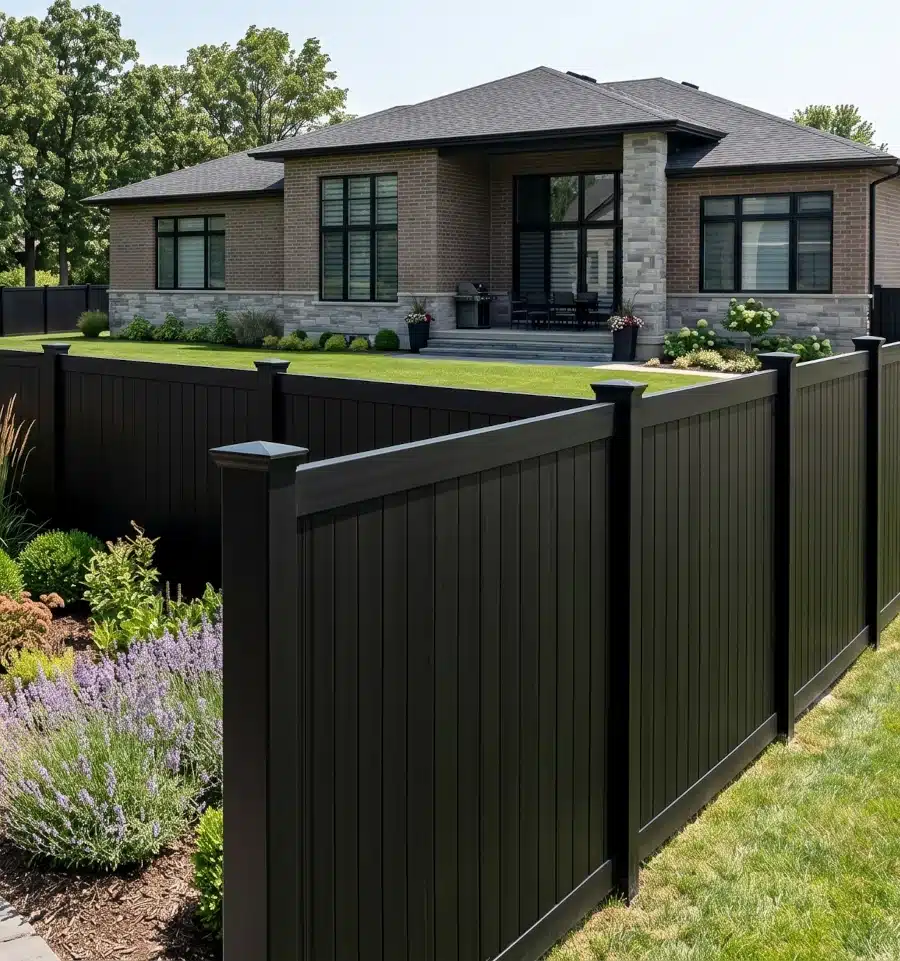
Pressure-treated wood holds up well in the bay-humid air of Anne Arundel County — provided the right style is matched to the lot, the HOA, and what the fence actually needs to do.
Full-height boards, flat cap rail on top — our signature build
Full-height boards, flat cap rail on top — our signature build
Alternating boards on front and back of rails; slight shadow pattern
Marley area lots with HOA review; passes most HOA aesthetic requirements
Boards alternating sides; open at an angle
Works on properties where both sides of the fence are visible from the street
Pointed tops; traditional look
Older Glen Burnie subdivisions without HOA restrictions; check HOA rules before specifying
Open rail; property boundary definition
Larger lots in the Woodbridge and outer Glen Burnie areas where containment isn’t the goal
Rustic two- or three-rail open look
Decorative use on corner lots or front yard borders; not for privacy
Wood privacy fencing around pools must comply with the Anne Arundel County pool barrier ordinance — self-latching, self-closing gates and minimum height requirements apply. We verify pool code compliance before setting a single post.
Standard 6-foot vertical board with a bottom kickboard holds most dogs. Gap spacing at grade is set to 2 inches or less on request for smaller breeds.
Wood fences in Glen Burnie face a specific combination of stresses: Chesapeake Bay humidity from April through October, repeated freeze-thaw cycling in winter, and in lower-lying areas near Marley Creek, soil that stays wet longer than homeowners expect.
The material choices address each of those stresses directly.
Pressure-treated pine posts
20–30 years
Pickets and rails (maintained)
Cedar posts and rails (above-grade)
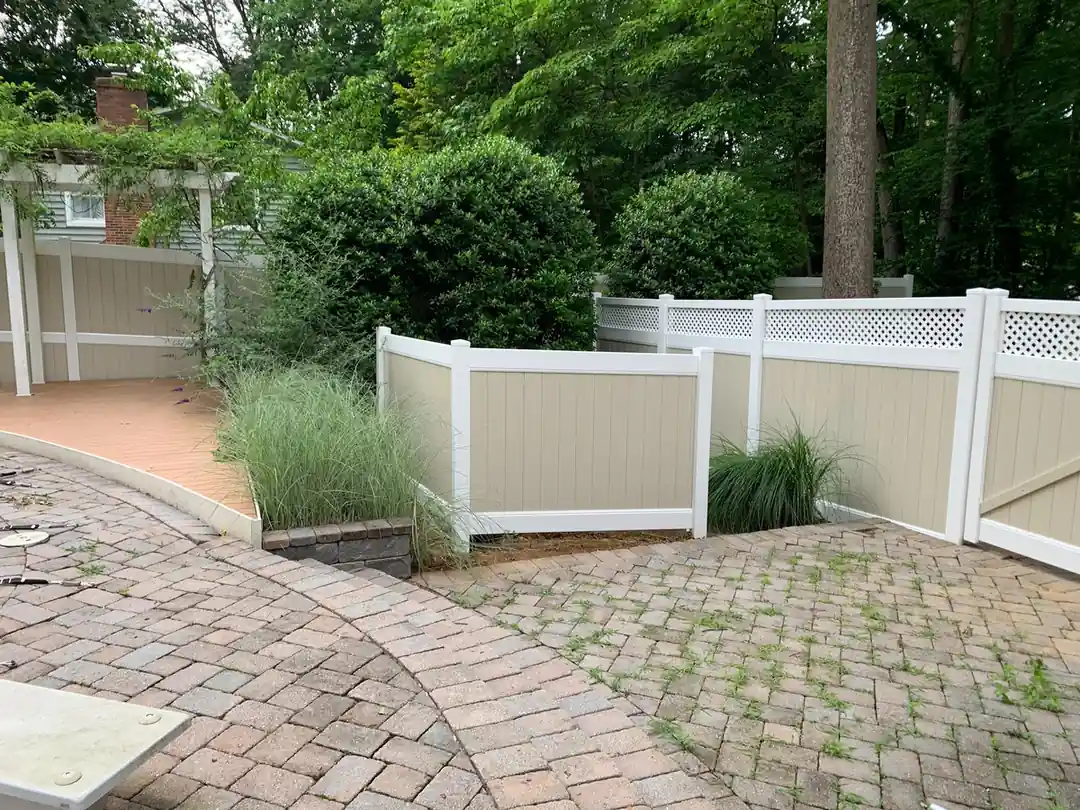
Glen Burnie is unincorporated — that means permits go through Anne Arundel County, not a city permit office.
HOA requirements: Tanyard Springs and Cromwell Fountain both require design approval before permits can be issued. If your neighborhood has an HOA, their review process runs parallel to — and sometimes before — the county permit. We handle both.
We manage the Anne Arundel County permit application, utility locate coordination, HOA submission, and inspector communication from the first measurement to the final post.
Timing note: If your project needs a permit, budget an additional 1–2 weeks for processing before installation begins. We’ll tell you exactly what applies on your property during the free estimate visit.
Installing a wood fence correctly in Anne Arundel County is less about the fence itself and more about what happens below grade.
Three business days minimum before we dig. Gas lines, water mains, and electrical conduits run through Glen Burnie's older neighborhoods at unpredictable depths. This isn't optional — it's how we start every job.
The most expensive mistake in fencing is building two feet onto the neighbor's property. We locate survey pins before we mark post locations. If pins are missing, we work with the homeowner to establish the correct line before a post hole opens.
Gate posts go in larger holes, deeper, with rebar reinforcement and a 4,000 PSI concrete mix. A gate that sags by year two is almost always a gate post that wasn't set right on day one.
The owner who measured your property shows up when the crew does and walks the finished fence with you before we leave. Most Glen Burnie installations run 1–3 days depending on linear footage and site conditions.
In Harundale and most upland Glen Burnie lots, we're dealing with Sassafras-Matapeake sandy loam — good drainage, but lighter lateral resistance. We dig to 36–42 inches and size the hole at three times the post width for adequate footing volume. In lower-lying areas near Sawmill Creek, where the ground stays wetter and the Fallsington series silty soil is present, we add a gravel drainage layer at the footing base and increase concrete volume. Because of that wet soil profile near the creek drainages, we spec UC4B ground-contact treatment for posts rather than standard UC4A — the extra protection level costs little and adds years of post life in consistently moist soil.
What Makes Sense for Your Glen Burnie Property
For the suburban lot sizes common in Glen Burnie (0.1–0.2 acres, close neighbor proximity), wood and vinyl privacy styles dominate because full sight-line closure is the goal. Chain link makes sense for perimeter runs behind garages, utility areas, or dog yards where privacy isn’t the priority.
All Around Fence does not publish pricing — material costs, site conditions, and linear footage vary too much for a meaningful per-foot number. Call (443) 838-9374 or request a free estimate; we’ll give you a clear number after seeing the property.
All installations include a workmanship warranty. Wood material coverage is limited — wood splits and checks under Maryland weather in ways no warranty fully absorbs. Ask us what’s covered on your specific project.
Lorem Ipsum is simply dummy text of the printing and typesetting industry. Lorem Ipsum has been the industry’s standard dummy text ever since the 1500s, when an unknown printer took a galley of type and scrambled it to make a type specimen book
Lorem Ipsum is simply dummy text of the printing and typesetting industry. Lorem Ipsum has been the industry’s standard dummy text ever since the 1500s, when an unknown printer took a galley of type and scrambled it to make a type specimen book
Adjacent neighborhood; same Anne Arundel County permit rules apply
Similar lot profile; pressure-treated wood privacy fence common
Our home base; extensive project history
Suburban lots; standard AAC permits
Additional HOA considerations in some neighborhoods
Mix of waterfront and upland lots; height rules vary
What to Expect Season by Season
Check for post movement at grade level — minor lean means a post moved in freeze-thaw; significant lean means the footing broke loose and repair is needed. Check all fasteners for backing out after thermal cycling.
Pressure-treated lumber is wet when installed. Expect minor checking (small surface cracks) as it dries out over the first 6–12 months. This is normal. Do not stain or seal until the wood has dried — fresh PT lumber won't accept finish.
Apply a penetrating oil-based stain or sealant every 3–5 years. Film-forming sealants crack under Anne Arundel County's freeze-thaw cycles — use a penetrating product. South- and west-facing fence runs in Glen Burnie take the most sun and should be inspected first.
Bay humidity from April through October keeps wood surface moisture elevated. Wood that dries and rewets repeatedly in this climate checks more than wood in drier regions. Proper staining significantly slows this cycle.
Every 3–5 years, check the soil grade at post bases. Soil settling against the post traps moisture. Keeping the grade slightly lower than the bottom rail improves drainage and extends post life.
Glen Burnie's proximity to the bay means some neighborhoods see stronger gusts during nor'easters and summer storms. Check post movement and rail-to-post connections after any significant wind event.
Wood fence pricing in Glen Burnie depends on linear footage, fence height, style, and site conditions — we don't publish a flat per-foot rate.
The free estimate visit lets us give you an accurate number after seeing the actual property, slope, and access. Call (443) 838-9374 or request a free estimate to get a specific quote.
Most standard 6-foot backyard wood fences in Glen Burnie do not require a permit under Anne Arundel County code.
Permits are required for fences over 6 feet, corner lot installations (fence must be 25+ feet from the corner), and waterfront properties. If your neighborhood has an HOA, HOA approval may also be required before you can apply for any county permits. We check your specific property and handle the paperwork when a permit is needed.
Properly installed pressure-treated pine fence posts in Anne Arundel County typically last 20–30 years; pickets and rails last 15–20 years with regular maintenance.
The key variables are post treatment grade (UC4A or UC4B for ground contact), fastener type (stainless or hot-dipped galvanized required with modern PT chemistry), and how consistently the fence is stained or sealed every 3–5 years. Bay humidity accelerates weathering on unsealed wood.
Pressure-treated pine is the standard and most cost-effective choice for Glen Burnie's humid climate; Western Red Cedar is the premium alternative for homeowners who want natural rot resistance without treatment chemicals.
PT pine lasts 20–30 years for posts, holds stain well once dried (allow 6–12 months after install), and is readily available in the Maryland market. Cedar is more dimensionally stable in high humidity and holds up with less maintenance, but it costs more upfront.
We set fence posts to a minimum of 36–42 inches in Glen Burnie — deeper than the 30-inch Anne Arundel County frost line requirement.
Posts set at or just below 30 inches can still heave over multiple freeze-thaw cycles. The extra depth, paired with a bell-bottom footing shape in silty soils near Marley Creek, is what keeps the fence line straight after 10 winters.
Wood privacy fencing is widely accepted by most Glen Burnie HOAs, but specific style and material details require review before installation.
Tanyard Springs and Cromwell Fountain both require design approval before permits are issued. We submit HOA applications on your behalf and can advise on which styles pass most HOA review standards in the area.
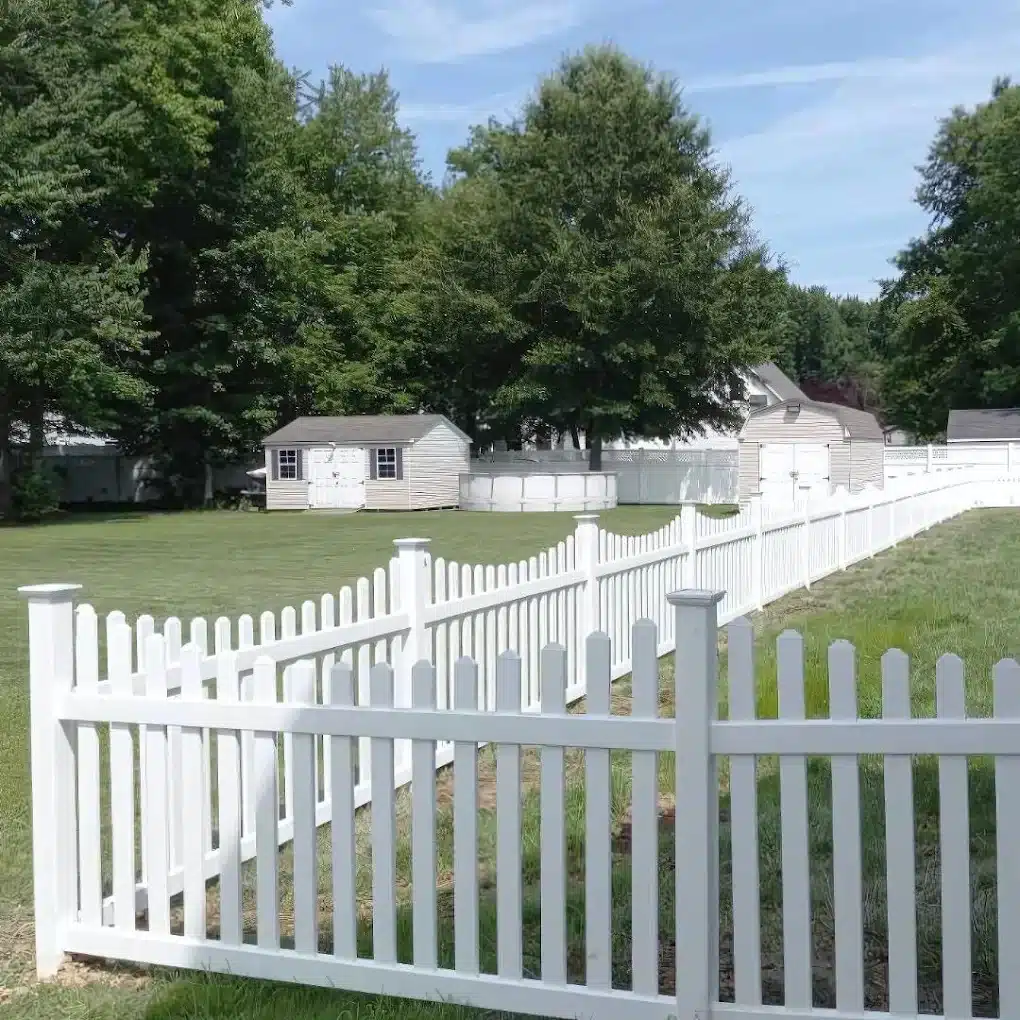
You want a fence that stays straight, holds its look through Maryland winters, and gets built the right way the first time. We’ve been doing exactly that in Glen Burnie for over 25 years — the same owners, the same standard, the same accountability.
Monday–Friday, 8:00 AM – 4:00 PM
171 Google
Reviews
MHIC
#97820
A+ BBB
Rating
zero
complaints.
Jeremy Verhoef, owner, is on site at start and finish of every installation. Call us, and the person who answers is the person who shows up.
Financing available with approved credit.
Lorem Ipsum is simply dummy text of the printing and typesetting industry. Lorem Ipsum has been the industry’