
MHIC Licensed Residential Fence Contractor
Pool Barrier & Safety Code–Aware Planning
Serving Pasadena, Severn & Glen Burnie Homes
In Anne Arundel County, a pool fence is treated as a safety barrier system, not just a fence around water. Inspectors assess how the barrier behaves—how gates close, how openings are sized, and whether access points actually prevent unsupervised entry.
That system can include fencing, gates, parts of the home, and safety devices working together. A pool barrier passes inspection when it consistently limits access, not when it only looks compliant.
This is why pool fencing requires planning, and why details matter more here than with any other fence type.
Pool safety fencing is defined by the barrier system, not by decorative style. In residential pools across Anne Arundel County, homeowners choose from a small set of proven systems based on supervision needs, visibility, and how the yard functions.

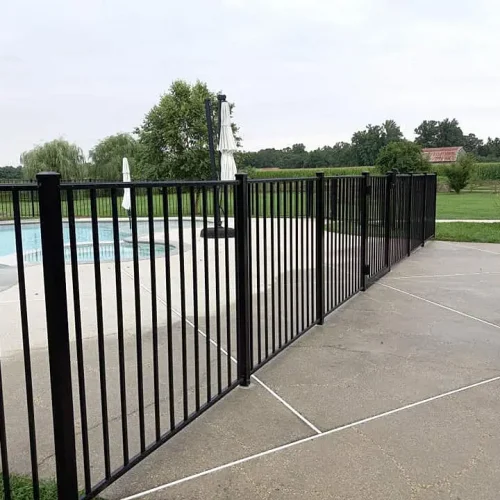
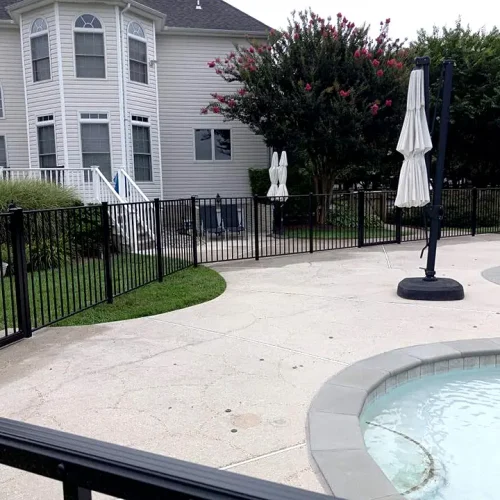
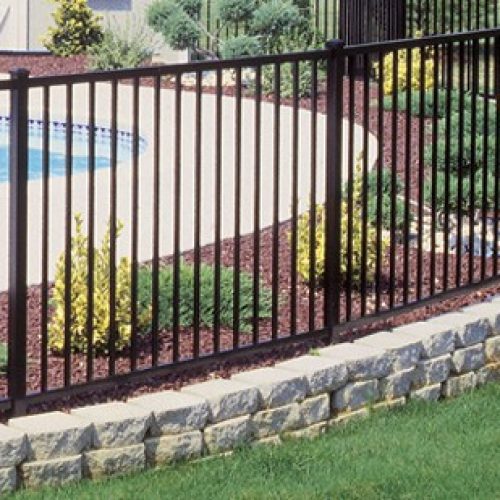
These systems use vertical pickets, usually aluminum and sometimes steel. They create a clear boundary while letting you see the pool from your home and patio. Open-view picket barriers are the top choice for pool fencing in homes. They allow for active supervision while keeping the yard open.

Mesh systems use tightly woven synthetic fabric supported by removable or semi-permanent posts. They’re selected where flexibility is needed or where a permanent perimeter fence isn’t practical. These barriers focus on access control while preserving sightlines around the pool.

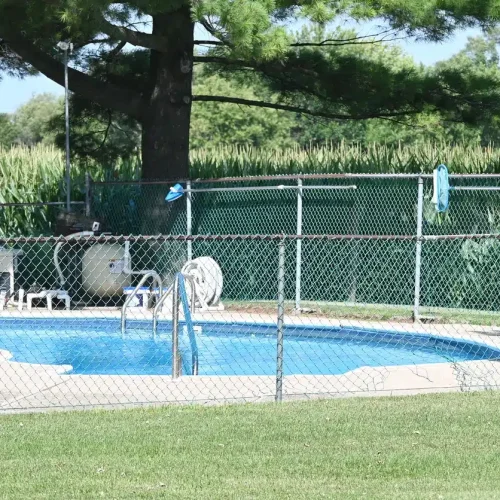
Chain-link can function as a pool barrier when configured specifically for safety applications. In pool settings, it’s commonly used in utility-focused layouts or shared boundaries. Here, durability and openness are valued more than visual appeal.
In some pool layouts, walls, decks, or portions of the home contribute to the barrier system. When used this way, these elements must form a continuous boundary that limits unsupervised access to the pool area.
Pool gates use the same materials as the surrounding fence—aluminum, steel, vinyl-sleeved frames, or mesh-supported frames. They are also reinforced to withstand regular use. Gate frames are heavier and stiffer than standard panels to maintain alignment over time.
Steel fencing makes a boundary feel permanent and intentional.
Subtle choices become lasting statements. Residential steel works best when guided by context, placement, and restraint. When those align, it does exactly what it’s meant to do—quietly and firmly.
Key point: Pool safety barriers are systems first. Materials support durability and visibility, while compliance and gate behavior are addressed separately.
A pool barrier works best when it follows how people actually move through the yard. In Anne Arundel County, many pools connect to decks, patios, and side-yard paths that influence how access should be controlled.
Barrier height affects both access and feel. Lower profiles keep the space visually open. Taller profiles add separation where foot traffic or risk is higher.
Most pools need more than one access point. Gate placement should follow real movement—decks, patios, and common walk paths—so the barrier supports daily use instead of interrupting it.
Clear views from kitchens, family rooms, and patios are often a priority. Open-view barriers are commonly used where supervision depends on visibility rather than isolation.
Pools tied to decks or sloped yards require careful transitions. Straight fence runs don’t always work when elevation changes are involved, especially around steps or raised platforms.
Some layouts use limited screening near equipment or shared edges. Screening is applied carefully so it doesn’t block visibility or airflow around the pool.
Key point: Pool fence customization is about reducing risk without disrupting how the yard functions. Layout decisions here shape effectiveness long before compliance is reviewed.
We review pool access points, deck transitions, sightlines, and how people actually move through the space. The goal is a continuous barrier that works in daily use—not just on paper.
The barrier layout is planned in accordance with residential pool safety standards commonly enforced by the Anne Arundel County Department of Inspections and Permits, including gate placement and access control logic.
An MHIC-licensed contractor installs your pool barrier, tests it for gate closure, latch engagement, and overall continuity, and then conducts the final walkthrough.
| A Pool Safety Fence Is a Strong Fit When… | A Pool Safety Fence May Not Be Enough When… |
|---|---|
| Children, guests, or neighbors regularly access the yard | Multiple doors open directly to the pool without added protection |
| The pool connects to decks, patios, or living spaces | Grade changes or structures create uncontrolled access paths |
| Supervision from inside the home is important | Temporary barriers are relied on long term |
| You want defined access points instead of open movement | The yard layout makes consistent enclosure difficult |
| Inspection or resale safety expectations apply in Anne Arundel County | Additional safety layers are required beyond fencing alone |
Key takeaway: A pool safety fence works best as part of a broader access-control plan, not as a standalone solution.
Pool safety fencing doesn’t fail all at once. It degrades at stress points. In Anne Arundel County, seasonal soil movement, humidity, and daily use all affect how a barrier behaves over time.
Gates show issues first. Alignment drift and latch wear appear at gates long before panels move. Check closure and latching regularly.
Hardware takes the load. Closers and latches absorb repeated force. Worn hardware compromises predictable access control.
Post bases matter more than panels. Soil buildup and trapped moisture at post bases cause subtle movement that affects the entire barrier line.
Corrosion starts at connections. Fasteners, weld points, and cut edges are more vulnerable than open surfaces, especially in humid conditions.
Consistency beats appearance. A pool barrier remains safe when it behaves the same way every time—not when it simply looks intact.
"Our new fence looks great! The communication from start to finish was amazing! Jim kept in touch all day as the fence was installed. Sheila in the office was helpful and great to deal with. Looking forward to our next project! I would highly recommend!"
"All Around Fence did a fantastic job from start to finish. Jeremy met with me several times to discuss fence design and answer all my questions (which were many). Sheila, from the office, was also very responsive to my questions and kept me informed on the schedule. A great company to work with that I highly recommend. You will not be disappointed with their work."
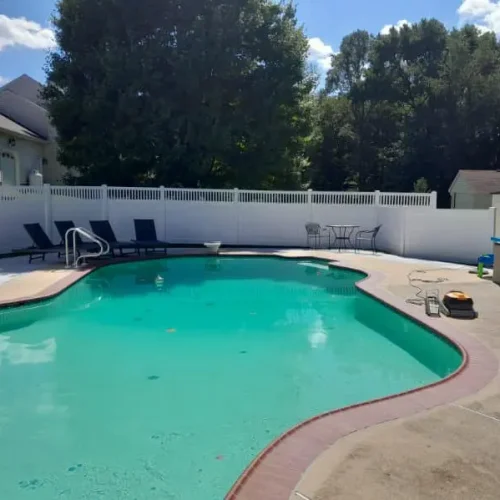
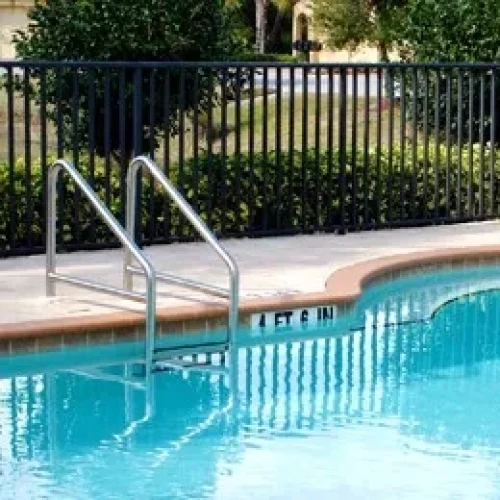
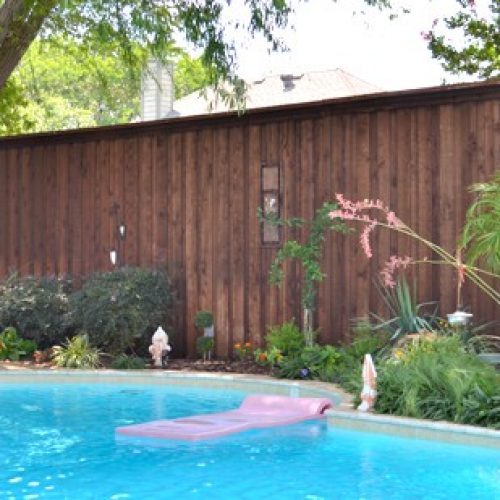
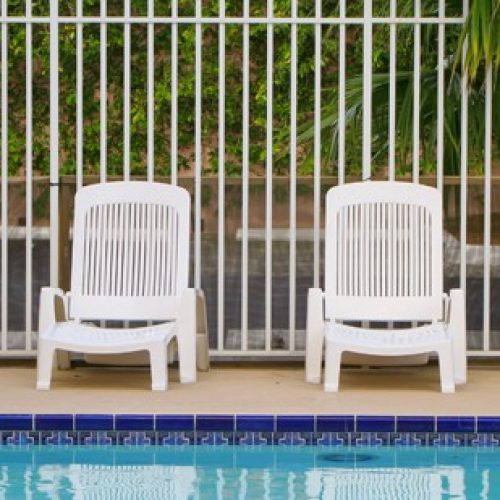
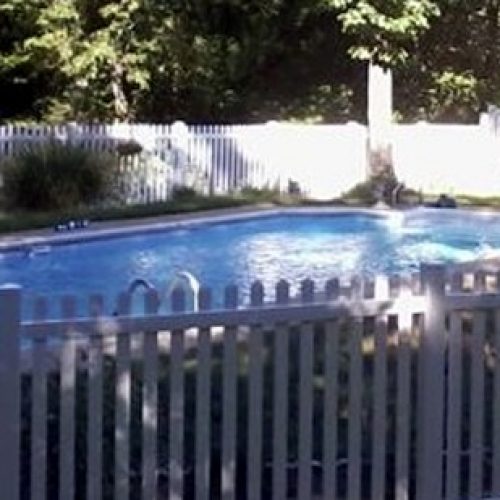
Our pool safety fence projects demonstrate the use of barriers on residential properties in Pasadena and Anne Arundel County. You’ll find fencing around decks, patios, and walkout basements, often near the Magothy River and waterways that feed into the Chesapeake Bay. These designs emphasize supervision, access control, and durability.
Your pool barrier is planned and reviewed by one accountable contractor—not handed off between crews.
Barrier layout, access points, and transitions are planned in accordance with the standards enforced by Anne Arundel County inspectors.
We treat fencing, gates, doors, and layouts as one continuous safety barrier—because inspectors do.
25+ years working on real yards with decks, slopes, and daily family use—not flat, commercial sites.
All Around Fence & Decks offers residential pool and safety fencing in Pasadena, Severn, Glen Burnie, and the surrounding areas of Anne Arundel County. We specialize in homes with pools, decks, walkout basements, and shared yard access—where effective barrier planning and dependability are essential.
Pool safety fencing works when access points, gates, and layouts are thought through from the start. We’ll walk your property, review how the space is used, and outline what’s needed for a reliable, code-aware barrier.
Owner-led. Residential-focused. Built for safety.
Yes. Most residential pool fences are reviewed during pool permitting or final inspection by the Anne Arundel County Department of Inspections and Permits. Even when a fence already exists, changes to gates, height, or access points may require review. Permits focus on barrier behavior—not appearance—so planning ahead avoids inspection delays.
In some layouts, yes—but only if additional protections are added. When doors open directly into the pool area, inspectors often require self-closing doors or UL-listed audible alarms. The goal is preventing unsupervised access, not reducing fence footage. Each layout is reviewed case by case in Anne Arundel County.
Failures rarely come from fence panels. Inspectors most often flag gates that don’t latch consistently, gaps created by slopes or deck transitions, and spacing issues near corners or steps. These problems usually stem from layout decisions made early—not from material choice—making planning more important than the fence itself.
Mesh pool safety fencing can be approved when installed as part of a complete barrier system. In Anne Arundel County, inspectors focus on access control, gate behavior, and continuity—not whether the barrier is removable. Mesh systems are often used where flexibility is needed, but they must perform consistently to remain compliant.
A properly installed pool safety fence can reduce buyer hesitation and inspection issues during resale. While insurance requirements vary, underwriters often look for clear access control around pools. Fences that behave predictably—especially with compliant gates and door protections—are easier to defend during inspections and policy reviews.
"I cannot say enough great things about my experience with the team at All Around Fence. From working with Sheila to gather info and set the whole project up, to the owner, Jim, who handled the initial visit and provided confirmation on our decision, and Patrick and his team who were on site for installation. The entire process from beginning to end took approximately 3 weeks, including a weather delay, and the price was well under what I was anticipating. Cannot recommend more!"